













Childhood allergies: what every parent should know

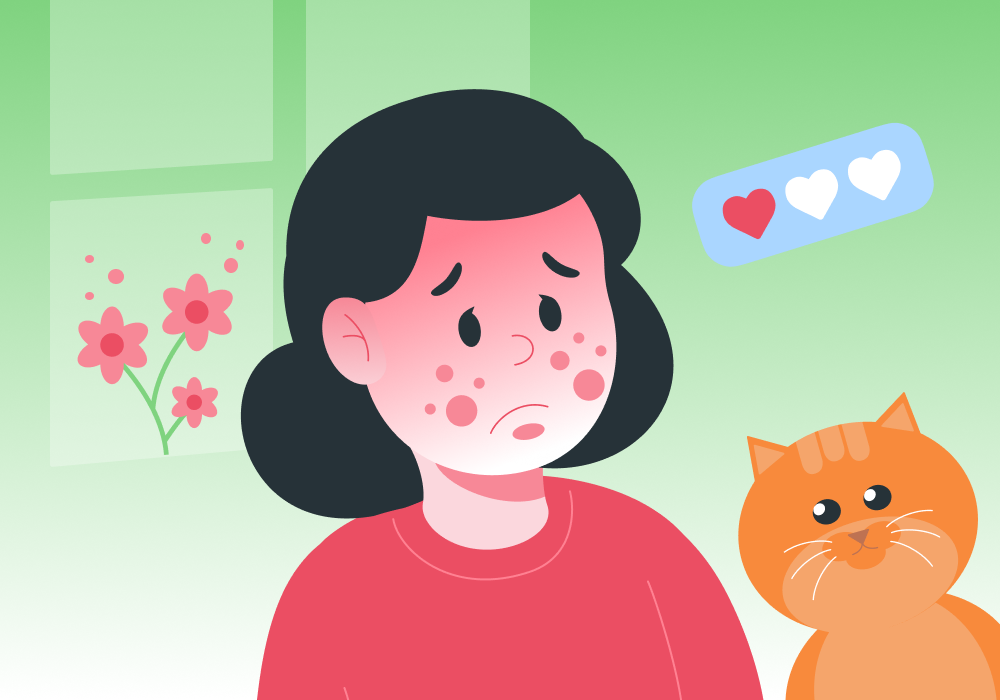
An allergy is a mistake made by the immune system: it identifies a harmless substance as a threat and starts fighting it. On first contact with an allergen, the body memorises it and produces antibodies. On the next contact, those antibodies trigger a reaction. This is why allergies rarely appear on first exposure — the body gets acquainted with the allergen first, then reacts.
Food allergies affect around 6–8% of children — roughly 1 in 15. The most common triggers are milk, eggs, fish, nuts and peanuts. Other allergens include pollen, pets, certain medications and insect stings.
Symptoms vary widely. Your child may experience a runny nose, cough, difficulty breathing, rash and itching, swelling, nausea, stomach pain or dizziness. Sometimes the nervous system is affected, meaning that a child may seem unusually drowsy or behave strangely. Symptoms usually appear within two hours of contact with the allergen, but can come on faster or later.
First aid for a mild reaction
For hives, itching or minor swelling — remove the allergen if possible, give an antihistamine and apply a cold compress. Even if symptoms improve, keep watching your child for several hours because the symptoms can return.
If your child is having trouble breathing or feels like they’re choking — sit them upright, do not lay them down. Don’t give food or drink. Monitor breathing and consciousness and stay with them until help arrives.
When to call emergency services immediately
Call 112/911 (or your local emergency number) if:
- there is difficulty breathing, wheezing or a hoarse voice;
- the tongue or throat is swelling;
- the child has lost consciousness or has suddenly gone very weak;
- there is paleness, cold sweats or a drop in blood pressure;
- symptoms are getting worse despite treatment.
Anaphylaxis and angioedema — what’s the difference
Anaphylaxis is a severe, fast-moving systemic reaction that affects multiple body systems at once. It typically involves skin symptoms — hives, swelling of the lips or tongue — alongside other signs: difficulty breathing, a drop in blood pressure, loss of consciousness or severe vomiting. The most severe form of anaphylaxis is anaphylactic shock.
Pay extra attention with infants: any change in how they seem should raise concern — breathing from the belly, rapid or laboured breathing, wheezing, fast heartbeat, inconsolable crying, listlessness.
Angioedema is a deep swelling of the tissues, most often affecting the lips, eyelids, tongue, neck and face. It becomes dangerous when the throat swells — signs include a hoarse voice, a “barking” cough and difficulty breathing. In around one in four cases, angioedema affects the throat. If you see this, call emergency services immediately, don’t wait.
Important: biphasic reaction. Sometimes a child improves after taking an antihistamine and then gets worse again. This is called a biphasic reaction. A second wave of anaphylaxis symptoms can occur 4–12 hours after the first episode, and the second wave is often more severe.
If your child has a known severe allergy, ask their doctor about carrying an EpiPen (epinephrine auto-injector). These are widely available in the UK and US and can be life-saving.
If your child has already had an allergic reaction
See an allergist. They can identify the specific allergen and advise on what to do if your child is exposed again. If the reaction was severe, the doctor may recommend always carrying an antihistamine and discuss emergency options. Get into the habit of reading ingredient labels and telling nursery staff, teachers and doctors (and honestly, everyone around you) about your child’s allergy.
Insect stings: when to worry
Minor swelling and redness at the sting site is a normal reaction to insect saliva — not an allergy. It will go away on its own. For a small local reaction, a cold compress, soothing cream and an oral antihistamine should help.
See a doctor if:
- swelling spreads to neighbouring areas — from the arm to the shoulder or neck;
- the eye area is swelling;
- hives appear across the body;
- there is coughing, wheezing, vomiting or dizziness.
If after a sting your child goes pale, becomes limp or loses consciousness — this is anaphylaxis. Call 999 / 911 / 112 immediately.
Sources: American Academy of Allergy, Asthma & Immunology (AAAAI) — anaphylaxis; NHS — allergies; HealthyChildren.org (AAP) — Allergies & Asthma.
Проверьте электронный ящик