













As artificial intelligence platforms become more popular with young users, parents are asking tough questions about digital safety.
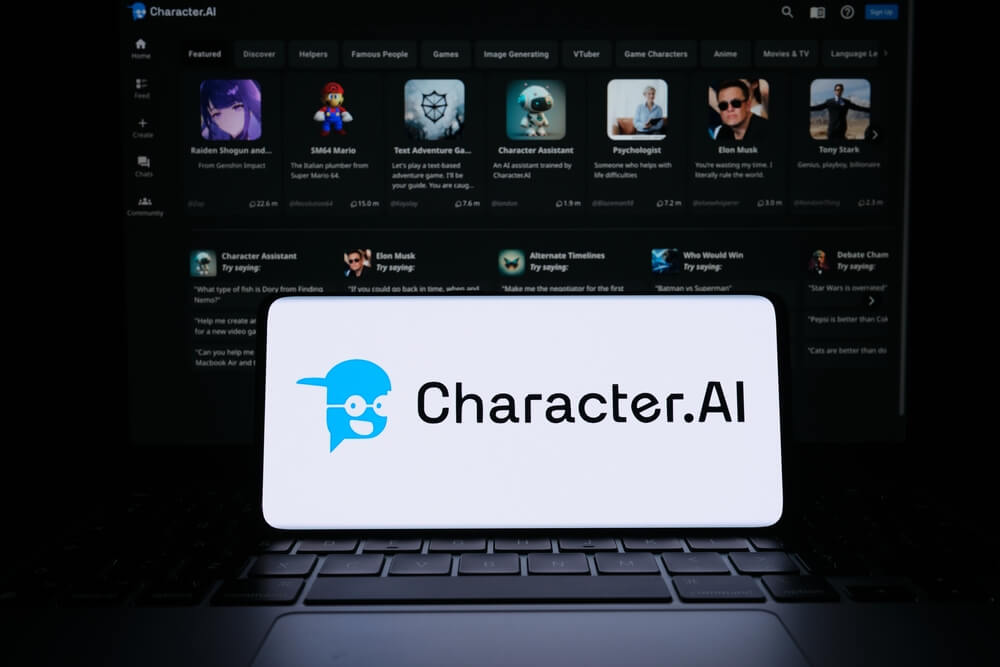
One AI chatbot platform that has captured teen attention is Character AI, where users can create characters ranging from anime heroes to historical figures. With millions of users worldwide, the burning question remains: Is Character AI safe for children and teens to use? Let’s break it down.
Contents:
What Is Character AI?

Credit: character.ai
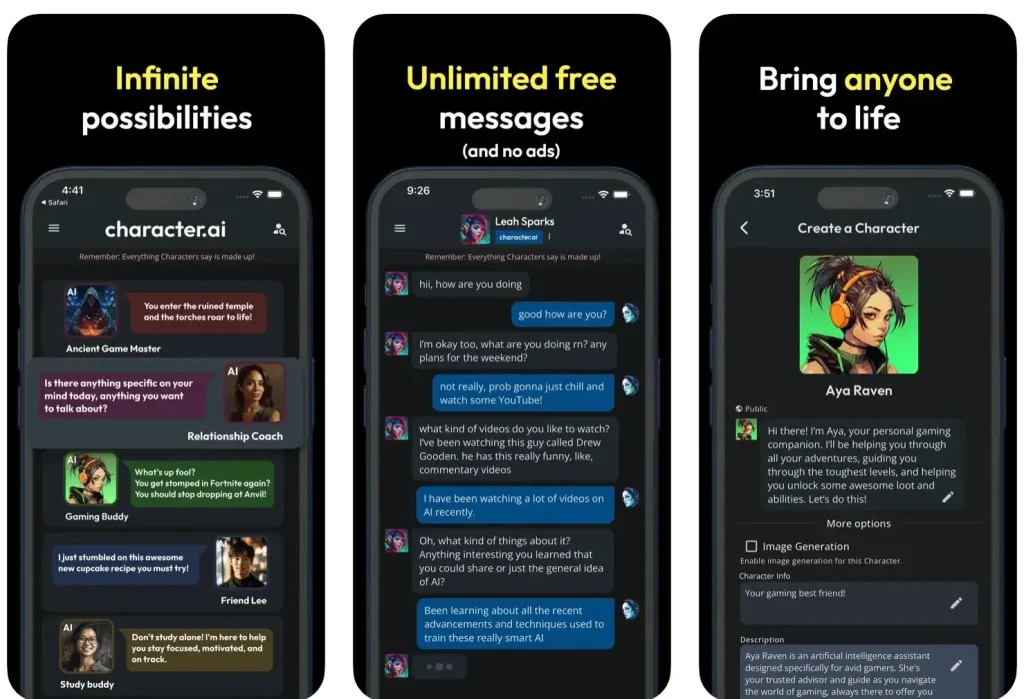
Character AI (also referred to as Character.AI) is an AI chatbot platform that allows users to create, customize, and have conversations with fictional characters powered by large language models.
Unlike traditional chatbots that provide straightforward answers, Character AI specializes in roleplay scenarios where users can interact with everything from beloved TV show characters to entirely original creations.
The platform has become incredibly popular among teen users for several compelling reasons:
- Unlimited Roleplay Opportunities: Teens can explore different scenarios with their favorite fictional characters or create entirely new personas.
- Social Connections: The fan communities built around specific characters allow users to share their favorite real conversations and discover new characters created by others.
- Deep Personalization: Users can fine-tune character personalities, backstories, and speaking styles to generate personalized responses.
Difference Between Character AI and Other AI Platforms
This entertainment-focused approach sets Character AI apart from other artificial intelligence platforms. While ChatGPT serves primarily as a learning tool for homework help, research, and educational conversations, Character AI positions itself as pure entertainment.
The generative AI technology behind both platforms may be similar, but their intended use cases are drastically different. Think of ChatGPT as your digital tutor, while the Character AI app is more like an interactive entertainment platform where the AI chatbot experience centers on creative storytelling and imaginative play. Unlike “utility” bots, these Character AI chatbots are designed for human-like interactions, making them far more immersive for a young audience.
Age Requirements vs. Age Ratings: What Parents Need to Know
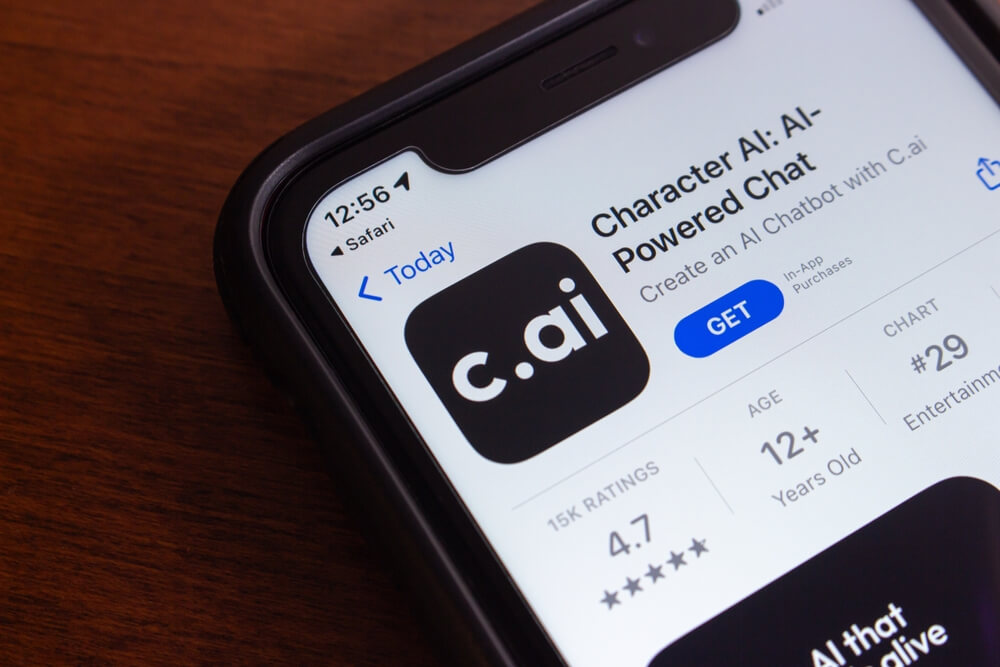
It is crucial for parents to understand that an age rating is often just a number and does not always reflect the reality of the content. Character AI is currently rated for users 13 and older on the Google Play store, but like many online platforms, age verification isn’t strictly enforced. Users can easily create accounts by claiming to be older than their actual age, making the 13+ rating more of a suggestion than a true barrier.
Age requirements are the legal terms of service, while age ratings are guidelines provided by app stores. For example, while the app may be labeled 13+, the vast amounts of user-generated content mean that a child could encounter adult users or sensitive or mature topics that the rating didn’t account for. Parents need to know that these filters are not foolproof, and “child safety” in the world of generative AI is a moving target.
Is Character AI Safe for Kids and Teens?
Credit: character.ai
The Character AI safety question doesn’t have a simple yes or no answer. Like most companion chatbots, it presents both benefits and potential risks that parents need to know.
The Pros of Character AI for Kids
On the positive side, the platform can spark creativity and improve writing and social skills through interactive storytelling. Many teens use the platform to practice dialogue writing, explore character development, and engage in creative scenarios that traditional entertainment media can’t provide.
The chatbot app also offers a judgment-free space where introverted teens can practice real conversations without real-world pressure.
AI Chatbot Risks
However, several safety concerns deserve parental attention. The platform’s community guidelines and content policies rely heavily on automated moderators that may miss sensitive content.
- Automated Moderation Flaws: Unlike human moderators who can understand context and nuance, AI systems sometimes struggle to identify harmful interactions that appear innocent but contain mature topics.
- Data Privacy: The chat history feature means all conversations are stored, raising concerns about private information collection. Voice cloning technology, while not currently implemented, represents a potential future risk as AI technology advances.
- Bypassing Filters: While Character AI has implemented safety measures, determined users can often find ways to circumvent restrictions, potentially accessing harmful content.
Does Character AI Have Parental Controls?
As of now, the platform does not offer robust, native parental controls within the app itself. There are no specific child accounts that allow a parent to remotely monitor chat history or restrict specific “character AI chatbots”.
Because there is no built-in way to limit sensitive or mature topics, parents must rely on manual checks of their child’s mobile devices. Without these parental controls, the safety of the experience depends entirely on the child’s own discretion and the effectiveness of the platform’s general “harmful content” filters.
Expert Insights: Mental Health and AI Companions
Safety experts and media researchers have expressed growing concern regarding the mental health of teen users who spend excessive time on AI companion apps. Common Sense Media notes that the platform’s design encourages the development of emotional attachment and parasocial relationships.
A developmental behavioral pediatrician might warn that while these bots provide human-like interactions, they are chatbots modeled after data, not empathy. This can lead to:
- Blurred Reality: Teens may begin to prefer these artificial relationships over human relationships. Unlike clearly fictional media such as books or movies, AI chatbot conversations feel interactive and personal, which can cause teens to prioritize these relationships over real-world connections.
- Romantic Feelings: The AI’s personalized responses can lead to romantic feelings that the bot is not equipped to handle.
- Severe Vulnerability: In rare cases, users have discussed self-harm, highlighting why harmful interactions must be monitored.
Community-related risks include cyberbullying through shared conversations, pressure to create increasingly provocative characters for social media attention, and exposure to community members who may not have teens’ best interests in mind. The platform’s social features, while fostering creativity, also create opportunities for negative peer interactions.
Red Flags: When to Pause or Stop Use
Parents should monitor their children for these specific warning signs:
- Withdrawal from Family Members: If a teen prefers talking to a bot over interacting with family members, it may indicate an unhealthy emotional attachment.
- Behavioral Changes: Sudden mood swings, anxiety, irritability, or noticeable changes in mental health that coincide with the start of app use can be a warning sign. Track patterns over weeks, not just single days.
- Potential Grooming or Inappropriate Content: If the bot’s responses include sexualized language, attempts to manipulate the teen into sharing personal information, or mimic behaviors typical of online grooming, stop use immediately. Grooming isn’t only about direct sexual requests; it can also involve building trust to exploit emotional vulnerabilities.
- Emotional Manipulation: If a teen feels distressed, anxious, or guilty when not interacting with the AI, or if they seem preoccupied with their virtual relationship, this is a sign the app is having a negative emotional impact.
- Excessive Dependence: Spending an unusually large amount of time on the app, especially at the expense of schoolwork, sleep, or social interactions, can indicate overreliance on AI companionship rather than healthy human relationships.
How Parents Can Keep Kids Safe

Findmykids app
Protecting children online requires proactive communication rather than outright bans, which often prove ineffective with tech-savvy teens.
Have an Open Conversation
Start by having honest conversations about artificial intelligence and how these platforms work. Explain that AI chatbots, no matter how realistic, are programmed responses rather than genuine relationships.
Create an environment where your teen feels comfortable discussing their Character AI experiences without fear of immediate punishment.
Ask open-ended questions about what kinds of engaging experiences they are having to reinforce that they can come to you with safety concerns. These discussions help you understand their usage patterns while reinforcing that they can come to you with concerns.
Set Screen Time and AI Limits
Establishing screen time boundaries prevents AI chatbot interactions from replacing real-world activities and relationships. Consider implementing specific time limits for entertainment-focused AI platforms while maintaining different rules for educational AI tools. Time spent on the Character AI app should be balanced with offline hobbies.
Use Findmykids Parental Controls
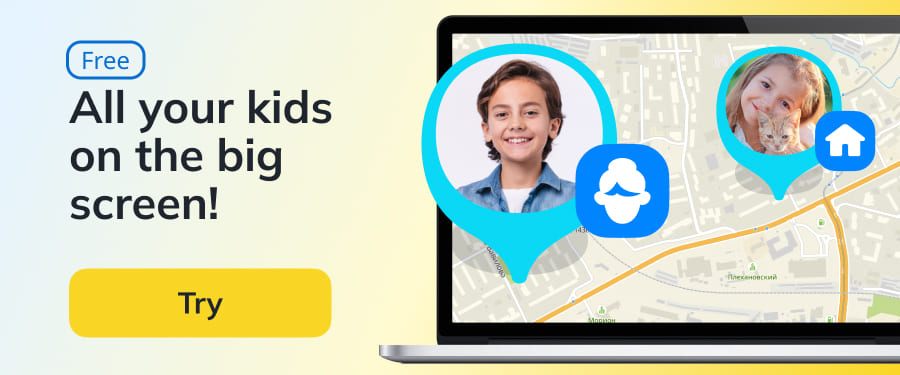
Since Character AI does not offer robust built-in parental controls, many families choose to use external tools that help them stay aware of their child’s digital habits. One option is Findmykids, a parental control app designed to give parents more visibility into how children use their devices while supporting safer online behavior.
With Findmykids, parents can:
- Track Time in Apps: See how much time your child spends in specific apps each day. This makes it easier to notice when an AI chatbot or similar platform starts taking up a large portion of their screen time.
- App Blocking: Temporarily block certain apps during key moments—such as school hours, homework time, or late at night—so AI chat platforms don’t interfere with sleep or daily routines.
- Protection from Unknown Callers: The built-in call filter helps block incoming calls from unknown numbers and keeps a log of blocked calls, reducing the chances of strangers contacting your child.
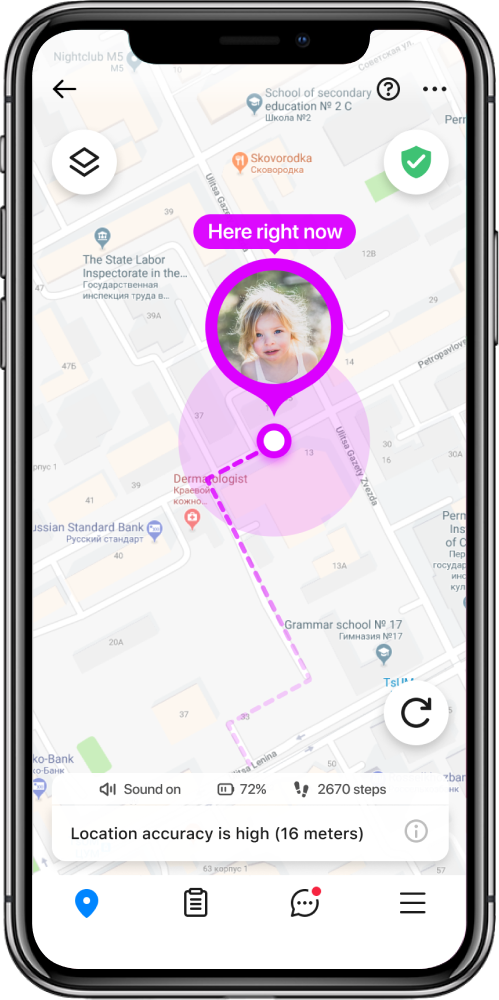
- Location Tracking: See your child’s real-time location and movement history, which can provide extra peace of mind while they explore both the digital and real world.
While no tool can replace open conversations about online behavior, parental control apps can help parents spot potential risks earlier and guide healthier digital habits.
If you’d like additional oversight of your child’s screen habits and device activity, you can try Findmykids and explore its safety features for yourself.
Check Back In Often
If you’re asking yourself, “Is Character AI appropriate?”, an important thing to remember is that you shouldn’t just “set it and forget it.” Regular check-ins about online experiences should become routine family conversations. Make discussing digital life as normal as asking about school or friends. This ongoing dialogue helps you spot potential issues early while reinforcing your availability as a trusted resource.
Safe Alternatives to Character AI
Parents seeking a safe platform have several options (though each comes with its own considerations):
- ChatGPT: With active parental oversight, can provide creative writing assistance and character development practice without the social community aspects that create many Character AI risks. Parents can review their kids’ chat history and set clear guidelines about appropriate usage while still allowing creative exploration.
- Duolingo: Uses artificial intelligence for language learning with built-in child safety. AI learning games designed specifically for teens provide entertainment value while maintaining educational focus and stronger safety controls.
- Replika: Offers similar AI chatbot functionality with more explicit safety controls and clearer content policies. However, parents should note that it can still present concerns around parasocial relationships and blurred boundaries between reality and AI interactions.
- Traditional Creative Platforms: For teens interested in storytelling or creative writing, non-AI options like Wattpad (with appropriate privacy and content settings) or collaborative document platforms may be safer. These tools allow creative engagement without exposing children to unpredictable AI-generated content or online social risks.
Using AI Safely and Responsibly…Together
Koshiro K/Shutterstock
Character AI safety ultimately depends on how families approach digital literacy and communication. The platform isn’t inherently dangerous, but it requires informed guidance and a focus on keeping teens safe.
Rather than viewing AI chatbot platforms as either completely safe or entirely dangerous, parents can help teens develop critical thinking skills about artificial intelligence interactions while maintaining open dialogue about online experiences.
The key lies in balanced supervision that respects teen autonomy while providing necessary protection. As AI technology continues evolving, these conversations become even more crucial for preparing young people to navigate an increasingly AI-integrated world…safely, and thoughtfully.
FAQs
Can I get hacked on Character AI?
The platform uses standard security measures, but like any online platform, it’s not immune to data breaches. The bigger concern is privacy; the platform stores all conversations and user data. Kids and teens should never share personal information like addresses, phone numbers, or school names with AI characters or adult users.
Is Character AI suitable for 13-year-olds?
While the rating is 13+, suitability depends on maturity. Even with filters, harmful content can still appear.
Is Character AI being monitored?
Monitoring is largely automated. The platform relies on user reports to catch sexual exploitation or sensitive content, which is why online safety experts recommend supervision.
Can I get a virus from Character AI?
Character AI itself is unlikely to give your device a virus, as it’s a web-based platform. However, users should be cautious about clicking external links shared in conversations or downloading files from other community members. Stick to official app stores when downloading the Character AI mobile app.
Is Character AI safe for my child?
Is Character AI safe for teens? Ultimately, Character AI safety depends on your child’s age, maturity, and your family’s comfort level with AI technology. The platform has legitimate creative benefits but also presents risks, including inappropriate content, parasocial relationship development, and privacy concerns.
Cover image: Ascannio/Shutterstock
Проверьте электронный ящик