














Scrolling through TikTok, gaming streams, or gym clips, parents may suddenly start to hear teens using words like “mogged” or “mogging”. The phrase sounds harmless, but mogging is part of an internet subculture ranking looks, confidence, and status on social media. For many kids, the trend is connected to pressure, comparison, and the feeling that their personal value depends on how they look compared to someone else.
This article was reviewed and prepared together with Lilla Dale McManis, MEd, PhD, Child Psychologist, Expert at Findmykids

Contents:
Key Takeaways
- Mogging is a modern slang term used when one person is viewed as more confident or physically “superior” to another.
- Although some teens use the phrase jokingly in memes, gym culture, gaming spaces, and comment sections, repeated comparison can still negatively affect self-esteem.
- Appearance-ranking trends are linked to the manosphere, looksmaxxing culture, influencer content, and growing competition around popularity and fitness.
- Parents can help kids build healthier digital habits by encouraging open conversations about confidence, comparison, and emotional well-being, as well as improving digital literacy.
- Findmykids offers tools that support safer routines, stronger family communication, and better awareness of social media habits.
What Does Mogging Mean in Slang?
The term “mogging” is internet slang used to describe situations where one person appears more attractive, confident, or socially dominant than another. While it usually refers to physical appearance, it can also extend to personality, popularity, or overall presence in a group.
In everyday teen use, the meaning depends heavily on context. It can be light and humorous, or it can carry a stronger sense of comparison.
If a teen says “I got mogged,” they usually mean they felt overshadowed or less confident compared to someone else in a specific situation. For example, a student might say, “I got mogged in that photo” after seeing a more flattering image of a friend.
Where Did the Slang Word Mogging Come From?
The origins of mogging are tied to older manosphere terminology, AMOG, the acronym for “Alpha Male of the Group”. In that sphere, the word is used when referring to one young man dominating other men through confidence, height, physique, or charisma.
Related: How the Internet Teaches Boys to Hate Women: What the Manosphere Is.
The term mogging became especially popular during the pandemic. Increased screen time and constant social media exposure helped appearance-based trends grow faster, and mogging became far more mainstream, spreading through TikTok, Instagram, Reddit, and gaming spaces used by younger audiences.
Now, teens regularly use the term in memes, reaction posts, and when referring to livestream video clips.
@v.varis @Zeta ♬ original sound – 🥀😴Kassi😴🥀
One viral TikTok page focuses entirely on “mog wars,” where users compare celebrities, influencers, or gamers side by side. These posts often include comment debates about who is taller, who has better hair, or who looks more superior.
@blurredreel mogwarts #cedricdiggory #hermionegranger #fyp ♬ Illusionary Daytime x 室内系 – Extended Edit Version – Shirfine
Another example appears in gym content, where creators post “nasty pump” photos after a workout to boast about muscle definition and fitness prowess.
@willmccune12 Enjoy the nasty pump🫶🏻 #gym #gymtok #transformation #glowup #tips #gymtips ♬ original sound – Martemer
How Teens Use Mogging Online
For many teens, mogging is simply another fast-moving slang term. However, understanding how kids use the word gives parents useful context.
As a Joke Between Friends
Some teens use mogging playfully to tease their friends. A student may upload dance photos and comment that one friend “mogged the whole group.”
In this kind of exchange, the focus is usually humour rather than cruelty. For example, a teen might say: “Bro mogged us all in that video, no chance 😭” or “She completely mogged the class at prom.”
To Express Admiration
In fan communities, kids sometimes use mogging to express admiration for celebrities or influencers they see as confident or stylish.
A comment might say an athlete “mogged everyone during the interview” because of their confidence and personal style. For example: “He didn’t even try and still mogged the entire press room.”
As an Insult or Comparison
In some cases, mogging is used in a more competitive or negative way, where the goal is to make another person feel inferior through comparison.
А recent study on social media comparison and adolescent mental health found that appearance-based comparison is linked to higher levels of anxiety, depression, and body dissatisfaction in adolescents. In this context, slang like “mogging” can reinforce appearance-based comparison and social pressure.
For example, a teen might post or comment something like: “He completely mogged him in that pic” or “She got mogged hard there”, usually referring to looks, confidence, or status in a way that creates ranking between people.
In Gym, Gaming, and Social Media Content
Mogging appears frequently in gym culture, gaming videos, and livestream reactions.
Gamers may joke that one player “mogged” another after a strong performance during a match. For example: “He absolutely mogged the lobby with that play.”
Fitness influencers also use the term when discussing workout routines, HIIT (High-Intensity Interval Training), lift goals, and physique changes.
Is Mogging Harmful?

Credit: enor.com, pinterest.com
Not every use of mogging is dangerous. Like many forms of slang, the meaning depends on tone, friendship dynamics, and context.
When Mogging is Just Slang
Sometimes teens use the phrase casually. A sibling might say, “You mogged me in that outfit,” without any deeper emotional meaning attached. In healthy relationships, the term can function as a sort of self-deprecating admiration.
When Mogging Affects Self-Esteem
Mogging culture is heavily tied to appearance-based comparison—something that social media platforms tend to amplify. Even when presented as humour or casual slang, repeated comparisons about attractiveness and status can affect how teens see themselves and their social value.
Child psychologist Lilla Dale McManis, MEd, PhD, explains that social comparison is a normal human experience, but it becomes especially emotionally significant during adolescence. As teens explore identity and place greater importance on peer relationships, they often become more sensitive to how others perceive their appearance, confidence, and social status. Trends like mogging can intensify these insecurities, particularly in algorithm-driven online spaces that constantly reinforce appearance-focused content.
Repeated judgment around appearance can make teens feel they are never attractive enough, fit enough, or socially successful enough. Researchers have found that heavy social media use can intensify appearance-based comparison, negatively affect self-esteem, and contribute to body dissatisfaction, particularly among adolescents and young adults who are still forming their sense of identity and self-worth.
More specifically, studies show thatt:
- Platforms centred on photos and visual content encourage users to compare themselves with carefully curated or edited images.
- Repeated exposure to “ideal” bodies and lifestyles can make users feel physically inadequate or socially inferior.
- Validation systems, such as likes, comments, and follower counts, reinforce appearance-focused thinking.
- Young people may internalise unrealistic beauty standards, increasing anxiety around attractiveness, popularity, and acceptance.
- Social comparison behaviours are linked with increased risk of disordered eating patterns and poor mental well-being.
Why Trends Like Mogging Affect Kids Emotionally
Mogging is also associated with looksmaxxing culture, where users try to improve every part of their physical image through grooming, skincare, dieting, and intense fitness routines. Although some self-improvement content can be informative and harmless, difficulties arise when confidence becomes entirely tied to external validation.
Teens also experience adolescent egocentrism, where they see the world as an imaginary audience judging their appearance and behavior, and social media can make this even more challenging.
@max24k6 Day39 #lookmaxing #look #masukberanda #tiktok ♬ sonido original – Rauli-pues
For some boys in particular, this pressure connects with ideas around the alpha male identity. Young users may feel expected to appear emotionally detached, physically dominant, and socially superior at all times. Girls and women can also become targets of a harsh ranking culture.
The emotional impact becomes stronger when teens engage with these trends frequently. Endless comparison trains the brain to judge worth through likes, comments, and visual approval rather than kindness, creativity, or resilience.
Parents should also remember that every child reacts differently. One teen may ignore a rude comment, while another may quietly feel like a victim for days after reading criticism.
How Parents Can Help Kids Build Healthier Social Media Habits
Findmykids app
Parents do not need to panic if they hear unfamiliar slang. Instead, focus on understanding what the term means within your child’s digital environment.
Start by staying curious about the apps, creators, and communities your child follows. Ask what kind of posts they enjoy and how certain content makes them feel. This creates trust rather than shame.
Families can also encourage balance around fitness, appearance, and screen use. Teens benefit from activities that build confidence away from screens, including sports, creative hobbies, volunteering, and face-to-face friendships.
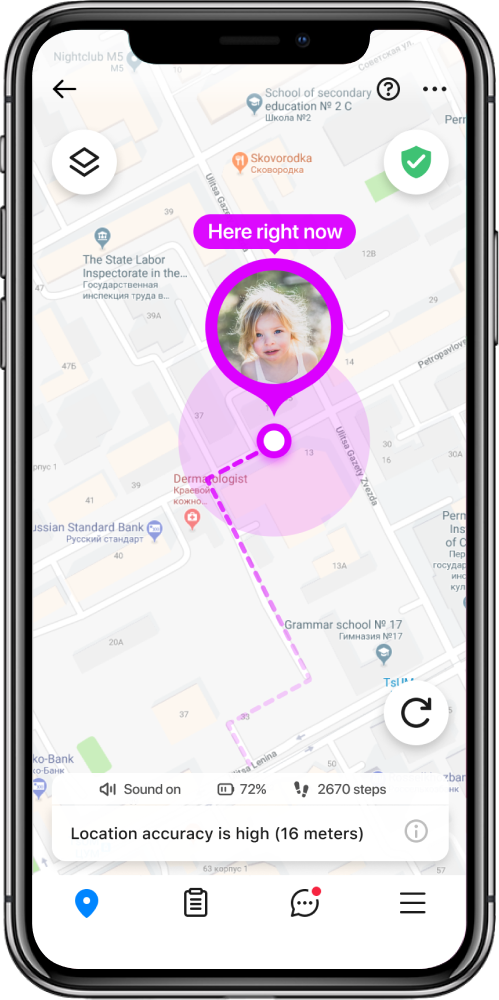
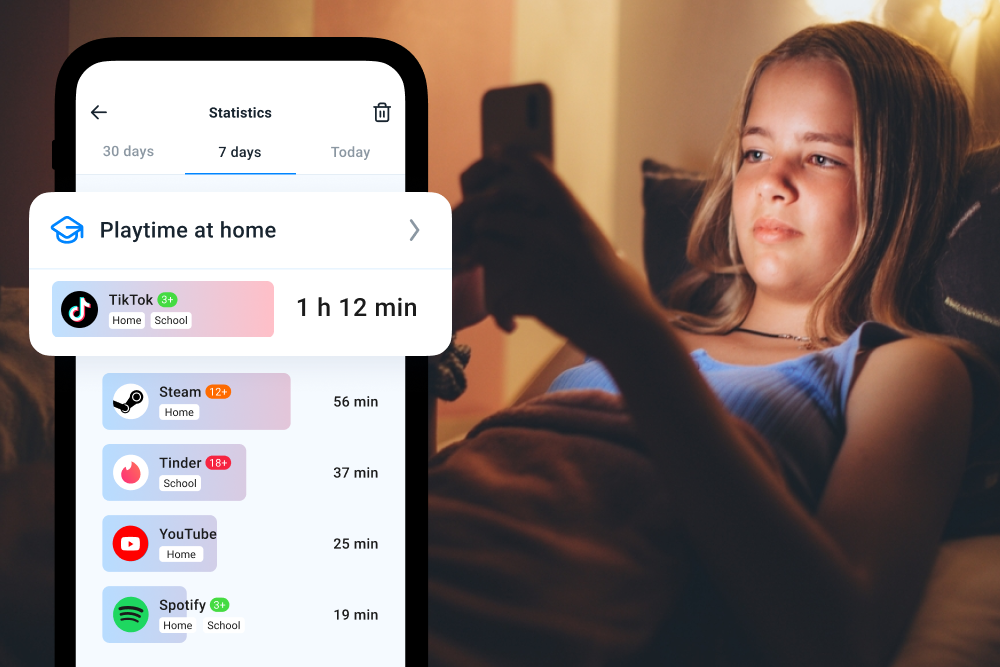
Findmykids can support healthier routines without turning safety into punishment. Parents can use tools for location sharing, app awareness, and communication to help teens take a break from endless scrolling while still feeling trusted and connected.
What Findmykids can help with:
- Screen time monitoring and daily usage insights
- App activity awareness (what apps are used and for how long)
- App blocking or temporary access limits for specific apps
- Website filtering, including restriction of 18+ content
- Location sharing for safety and peace of mind
- Smart alerts for movement or routine changes
- Sound Around for checking nearby audio context
- Loud Signal to help reach a child even if the phone is on silent
Instead of replacing trust, tools like this are used to support structure and reduce constant conflict around phone use.
If parents want a clearer picture of how their child uses digital spaces, Findmykids can help make everyday routines more predictable and easier to manage. Try it right now for free!
How to Talk to Your Child About Mogging
Lilla Dale McManis, MEd, PhD, Child Psychologist, Expert at Findmykids
When having conversations like this with kids, getting started can be the hardest part. To set the stage in a way that feels natural and doesn’t put them on the defensive, you can ask open-ended questions, like “I’ve been hearing about a trend called ‘mogging’ and looksmaxxing’ and I’m wondering what these mean to you?” If they aren’t clear, you can share that it’s where people compare how others look or act to put themselves above and dominate others, and it’s often online.
You can move on to talking about how comparison can make others (and them) feel. Explain that while it’s natural for all of us to compare, when we do so in a way that is rigid and negative, this can make others feel bad about themselves. Ask the child if this has ever happened to them and how they felt.
Talk about the value we have as a person isn’t actually about our appearance. Ask your child or teen what other characteristics they feel make someone special. These can be that they are kind, thoughtful, funny, loyal, or hardworking. Emphasize that being confident and liking ourselves, and others, is more about recognizing these traits than ranking someone on how they look in ways like mogging.
Finally, be on the lookout for signs that your child or teen is feeling distressed by mogging, whether because they are seeing it online, feeling pressure to participate, or are a target. This could be that you notice an unhealthy obsession with their own or others’ physical appearance, following toxic influencers who promote mogging, or seeming withdrawn and shaky in their confidence.
Kids can often feel uneasy, but lack the skills to analyze and manage their feelings. Conversations with you can give them the support and the tools they need to do so.
Helping Teens See Beyond the Ranking Culture
Mogging may appear to be just another viral slang trend, but it reflects a much larger conversation about identity, comparison, and self-worth in the digital age. For a generation growing up surrounded by filters, influencers, and endless social media competition, appearance can begin to feel tied to personal value.
Parents do not need an omniscient understanding of every new trend. What matters most is creating a safe space where teens feel supported, heard, and valued for far more than how they look beside somebody else in a photo or comment thread.
Mogging Glossary: Teen Slang Parents Should Know
Understanding related slang can help parents better interpret what they see in online conversations.
| Term | Definition |
| Manosphere | A vast, decentralised network of online communities, influencers, and forums that promote traditional masculinity, strict gender roles, and often anti-feminist or misogynistic views. |
| Looksmaxxing | An online self-improvement trend focused on maximising physical attractiveness through fitness, skincare, grooming, diet, fashion, or cosmetic procedures. |
| Nasty Pump | Gym slang describing muscles appearing larger or more defined immediately after exercise because of increased blood flow. |
| Gymcel | A slang term describing somebody heavily focused on gym culture and physique improvement, sometimes obsessively. |
| Mewing | A viral trend involving tongue posture exercises that supposedly improve jawline definition. Experts say scientific evidence supporting dramatic results is limited. |
| Mog Wars | Online comparison posts where users debate who looks better, stronger, taller, or more confident. These trends often appear in comment sections, gym edits, and fan communities. |
| Validation Posting | Uploading selfies, gym photos, or emotional updates mainly to seek reassurance, praise, or attention online. |
FAQs
What does mogging mean?
Mogging means outshining another person in terms of looks, confidence, style, or social presence.
What does mogged mean?
If somebody says they were “mogged,” it means they felt overshadowed or outperformed by another person.
Where did mogging come from?
The term developed in internet forums connected to masculinity and fitness culture before spreading across TikTok and other social media platforms.
Is mogging a bad word?
Not always. Some teens use it jokingly, while others use it in a hurtful or appearance-focused way. The meaning depends on context and intent.
References
- Prospective relationships between appearance-based social media use and adolescent mental health, Cameron J Ragg, Ronald M Rapee and Jasmine Fardouly. New Media and Society, 2026
- #SocialMedia: Exploring the Relationship of Social Networking Sites on Body Image, Self-Esteem, and Eating Disorders, Santarossa & Woodruff. Social Media + Society, 2017
Cover image: generated by ChatGPT / OpenAI
Проверьте электронный ящик