











My child got burned. What to do

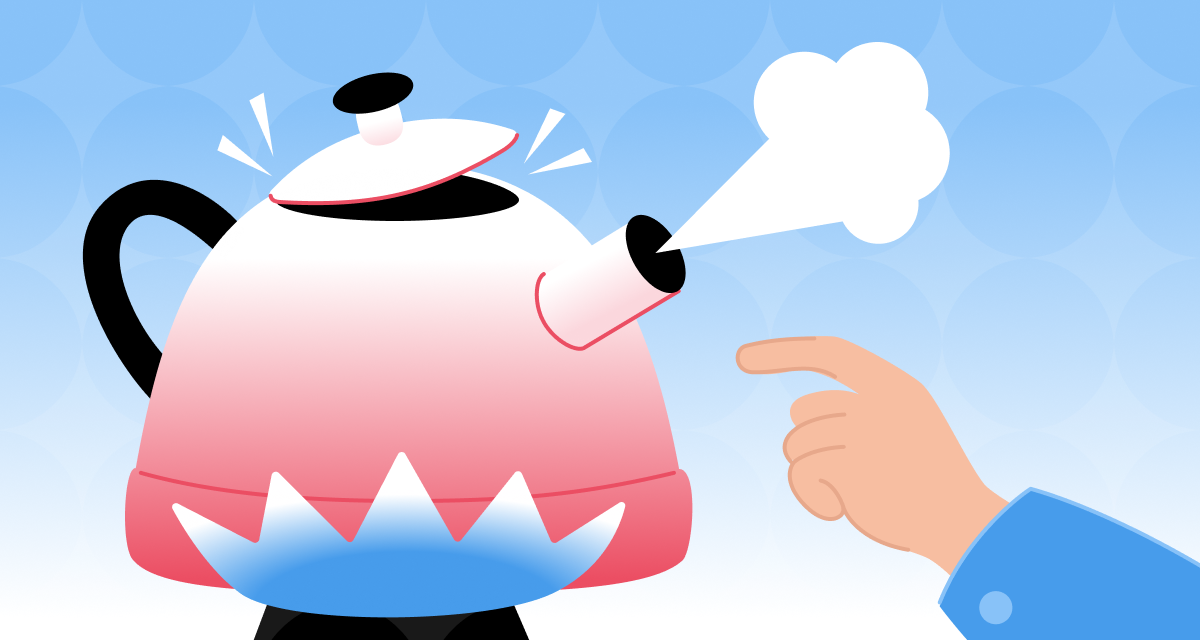
Hot tea, a scorching pan, the July sun — burns happen in an instant. The good news: the right first aid can reduce the consequences significantly.
A child’s skin is thinner than an adult’s, so any external impact damages it deeper and faster. A small body loses heat and fluids more quickly, which means a higher risk of hypothermia and dehydration. A child’s immune system is also still developing, so infection can set in easily. Even a small burn on the hands, feet, neck or joints can leave rough scars, limit movement and affect growth. That’s why a doctor’s assessment is necessary even when the situation looks manageable.
Types of burns
Thermal — the most common: boiling water, steam, hot objects, fire. The most important thing is to cool the burned area under cool running water for 15–20 minutes immediately (full first aid algorithm below).
Chemical — contact with acid, alkali or aggressive household chemicals. Don’t try to neutralise the chemical — rinse the burned area with plenty of cool running water for at least 15–20 minutes, then seek help.
Sunburn — from UV radiation. Cool the skin with cool water, apply a soothing cream and move the child into the shade.
Electrical — the most deceptive: may look minor on the surface, but the damage is often deeper than it appears. Always requires a doctor’s assessment.
How to assess severity
| Degree | What happens | Signs |
| 1st degree | Surface layer of skin affected | Redness and pain |
| 2nd degree | Full epidermis | Blisters with fluid |
| 3rd degree | All skin layers destroyed | White or black skin, no pain |
To estimate the area: the child’s palm equals roughly 1% of their body surface. A burn covering 5–6 palms is an indication for urgent hospitalisation, even if it seems shallow.
First aid: step by step
Step 1. Stop contact with the source — move the child away from fire, a hot surface or chemicals.
Step 2. If clothing is on fire — cover the child with a heavy cloth to cut off oxygen, or press them to the ground and roll. Use water only if the fire is small and the fabric is not synthetic.
Step 3. Remove clothing and jewellery from the burned area. If fabric has stuck — don’t pull, carefully cut around it with scissors.
Step 4. Cool the burned area under cool running water for 15–20 minutes. The water must not be icy cold — a sudden temperature drop can cause vascular spasm. If the child is small, cool only the burned area and keep the rest of the body warm: the risk of hypothermia in young children is very high.
Step 5. Cover the wound with a sterile bandage or clean cotton cloth. Don’t use cotton wool as the fibres can stick to the wound.
Step 6. Give an age-appropriate pain reliever as recommended by your doctor or pharmacist. If the burn is on an arm or leg, elevate the limb to reduce swelling.
What not to do
- Apply butter, sour cream, kefir or honey — these create a film and the burn continues to “cook” underneath
- Use antiseptic dyes, alcohol or iodine — these increase pain, damage tissue and prevent the doctor from assessing the depth
- Sprinkle flour, baking soda or starch — this only contaminates the wound
- Apply ice — this risks frostbite on top of the burn
- Pierce blisters — the blister protects the wound from infection
- Bandage tightly — the area will swell and compression is dangerous
When to call emergency services
Call 999 / 911 / 112 if:
- the burn is larger than five of the child’s palms or covers several areas of the body
- the face, neck, hands, feet, joints or groin are burned
- the skin is white or black or paradoxically feels no pain: this is a sign of a deep burn
- the burn is chemical or electrical
- there is hoarseness, coughing, or soot around the mouth or nose — the airways may be affected
- the child is under three years old — for any burn of any degree
- there is lethargy, repeated vomiting, high fever or signs of infection
Burn prevention
- Keep hot drinks and food away from the edge of the table — a child can reach a cup or plate in seconds
- Turn pot handles towards the wall so the child can’t grab them
- Put away irons, hairdryers and straighteners immediately after use. Don’t leave them to cool where a child can reach
- Store household chemicals in a safe place and only in their original packaging. Never pour them into water or juice bottles — children don’t read labels
Sources: HealthyChildren.org (AAP) — First aid for Burns; NHS — Burns and Scalds: Treatment.
Проверьте электронный ящик