
















You hand your kid a smartphone to keep them safe, right? It’s the modern-day lifeline, the contemporary raft. But then you hear about online blackmail, and suddenly that lifeline feels like a direct pipe for strangers to reach your child in their bedroom.
It’s a terrifying thought, but panic isn’t what will help in this situation. You need to act. Here’s exactly how to protect children from blackmail and threats in messages without locking them in a (virtual or otherwise) tower.
Contents:
What is Online Blackmail? And What It Actually Looks Like

Who is Danny / Freepik.com
We often think of blackmail as something from a spy movie: briefcases of cash and dark alleys. But for young people, online blackmail (often called sextortion) is much more subtle and insidious. It usually starts on social media platforms or online games.
A stranger might pose as another young person, showing romantic interest or just being a “cool” friend. They spend days or weeks building trust. Once that bond is formed, they pressure the child to send nude photos or videos. The moment they get it, the mask drops. The “friend” becomes a criminal, threatening to share the sexually explicit images with the child’s friends, family, or schoolmates unless they pay money or send more images.
Importantly, anyone can be a target—even children who seem savvy online or only play games casually. Predators look for vulnerability, curiosity, or even simple politeness. Protecting your child from identity theft and exposure to explicit photos or harmful content should be a top priority for every parent.
Sadly, real-world examples of this happen every single day. A teenage boy might meet someone on a gaming platform who promises free online game credits in exchange for a private chat. The conversation moves to a different app, escalates to a request for sexual images, and ends with a demand for hundreds of dollars.
In any case, the speed is frightening, as criminals can turn a casual chat into a nightmare in less than an hour.
Warning Signs Your Child Might Be Targeted
Kids rarely run to their parents when this happens, as they feel ashamed, scared, or worried you’ll confiscate their phone. That means you need to be observant.
Watch for sudden changes in behavior. Is your child withdrawing from family activities or abandoning hobbies they used to love? You might notice them closing screens quickly when you walk into the room or acting jumpy when their phone pings.
Sleep disturbances are another huge red flag. If they’re staying up all night or seem exhausted, something is weighing on them. Also, keep an eye on their finances. If they’re asking for money without a clear reason, or if you see unexplained charges for gift cards or crypto, they might be trying to pay off a blackmailer.
Sometimes the signs are emotional. A normally happy kid might become sullen, angry, or anxious overnight. If they suddenly stop using a favorite app or delete their social media accounts without explanation, that’s a signal to investigate.
Checklist for Parents to Spot Potential Online Blackmail
- Notice sudden withdrawal from friends, family, or hobbies
- Watch for changes in screen behavior (closing apps quickly, secretive messaging)
- Track unusual sleep patterns or insomnia
- Check financial activity (unexplained requests for money, gift cards, crypto)
- Observe emotional shifts (sudden anxiety, anger, or sadness, which can include signs of self-harm)
- Monitor social media and app usage for abrupt account deletions or private profiles
What Parents Should Do Immediately

Gladskikh Tatiana/Shutterstock.com
If you discover your child is a victim, your reaction sets the tone for their recovery.
Step 1: Stay Calm and Don’t Blame
Your child is already terrified. If you get angry or take away their phone, you confirm their worst fear: that coming to you was a mistake. Hug them. Tell them they aren’t in trouble and that you’re going to fix this together. They are the victim of a crime, not a co-conspirator. Your support here is critical.
Step 2: Do Not Pay and Do Not Engage
The criminal will promise to delete the images if you pay. They’re lying. If you pay, they know you have money, and they will demand more. Do not respond to the online threats. Silence is your best weapon right now. This helps protect children from further harm and the creation of explicit photos.
Step 3: Preserve the Evidence
Your instinct will be to delete messages to scrub the filth away. Don’t. Take screenshots of everything, including the threats, the profile URLs, the images sent, and the chat logs. You need this evidence for law enforcement.
Step 4: Stop the Contact
Block the user on every platform. Adjust your child’s privacy settings to prevent them from creating new fake profiles to contact your child again. If the harassment continues from new accounts, keep blocking and documenting.
Where to Report
Once the immediate bleeding has stopped, you need to report the crime. Here’s who you should be reaching out to:
- The Internet Crime Complaint Center (IC3): This is a partnership between the FBI and the National White Collar Crime Center. File a report at ic3.gov. They handle internet crimes and can route your case to the appropriate field offices.
- The CyberTipline: Run by the National Center for Missing & Exploited Children (NCMEC), this is especially important if sexual abuse material is involved. You can make a report at report.cybertip.org. NCMEC works directly with law enforcement partners worldwide to take down explicit content and track offenders.
- Local Law Enforcement: Call your local police non-emergency line. While they might not have a dedicated cyber unit, having a police report on file is essential for documentation. Bring your printed screenshots and evidence.
- The Platform Itself: Report the user directly to the social media or gaming platforms where the contact occurred. They can ban the user’s device and preserve data that police might need later.
Prevention That Actually Works (Without Over-Control)
sakkmesterke/Shutterstock.com
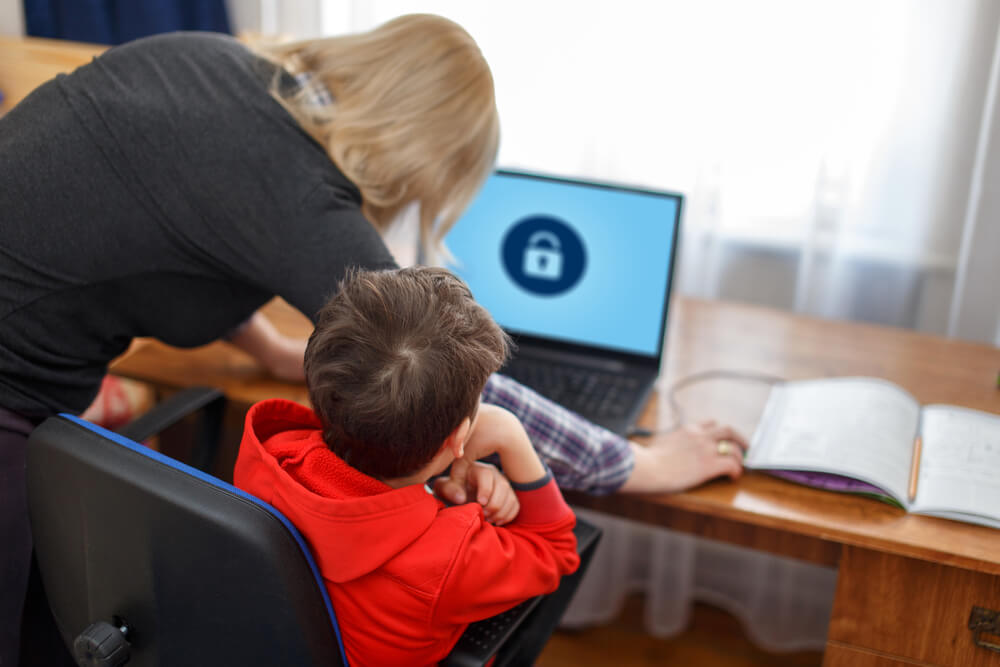
You can’t hover over your child’s shoulder 24/7 as they engage in online activities, but you can build a digital fence, which starts with enforcing some key privacy basics.
Sit down with your child and review their accounts. Most apps default to public settings. Switch them to private. Go through their followers or friends list together. If they don’t know someone in real life, that person shouldn’t have access to their private world.
Turn off “unknown message requests” for your child’s online activity wherever possible. On many apps, this stops strangers from landing in their main inbox. Explain why you’re doing this: not to spy, but to filter out the junk.
Teach them about the permanence of the internet. Once a photo is sent, they lose control of it forever. You don’t need to shame them, but you do need to help them understand the mechanics of digital files. Explain that “disappearing” messages on apps like Snapchat don’t actually disappear if someone has a second phone to take a picture of the screen.
Safer Habits for Online Games & Social Platforms
Online games and other online activities are social hubs, but they’re also hunting grounds for online predators. The chat function in games like Roblox or Fortnite is often where the initial contact happens.
So, establish a rule: gaming chat on online platforms is for game strategy only. No sharing personal details like their real name, school, or location. If someone asks “Where do you live?” or “How old are you?”, they should ignore it and block the user.
Watch for the “meet online” escalation. Online predators often try to move the conversation away from the monitored game chat to a private messaging app like Discord, WhatsApp, or Snapchat. They’ll say things like, “The mods here are annoying, let’s chat somewhere else.” Tell your child that moving a conversation to a private app with a stranger is a hard “no.”
Encourage them to play in common areas of the house rather than isolated in their bedroom, since it’s much harder for an online predator to groom a child when mom is walking by with a laundry basket.
Findmykids: A Tool for Digital and Physical Safety

While we can talk until we’re blue in the face, sometimes we need tools to support us as parents. This is where an app like Findmykids becomes a parent’s ally to provide a safety net for online activities.
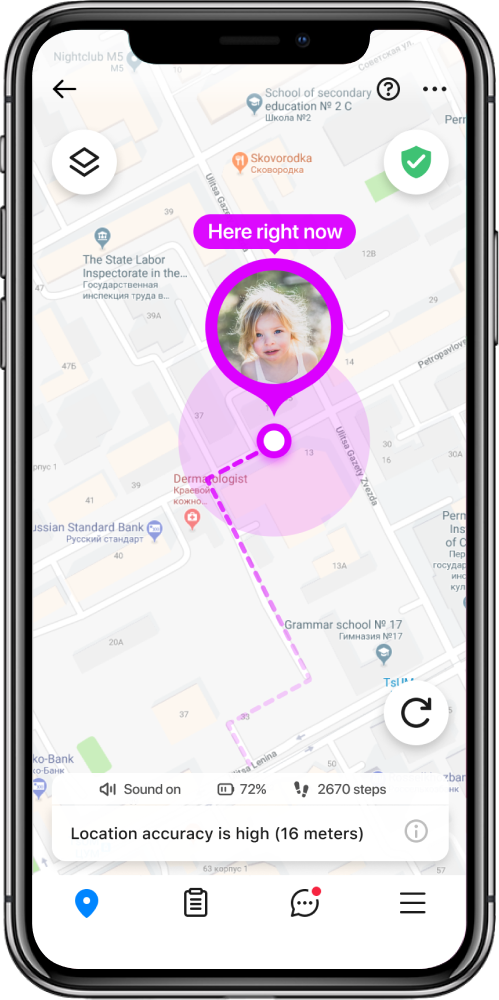
Findmykids offers features that bridge the gap between digital habits and real-world security. For example, knowing exactly where your child is provides peace of mind. If they are supposed to be at school but the location shows somewhere else, that’s a conversation starter.
More importantly, the app gives you insight into which apps your child is using and for how long. If you notice a sudden spike in usage for a messaging app, that’s a massive warning sign that something is off. It allows you to intervene before a situation escalates into online exploitation.
The goal of using Findmykids is to build trust. You’re giving your child the freedom to have a phone and go places, but you have a dashboard to ensure their well-being is protected. This app is the modern equivalent of watching them from the front porch while they play down the street.
Download Findmykids today to keep your child safe online and offline, and gain peace of mind knowing you’re always in the loop!
Creating an Open Dialogue
The strongest filter isn’t software. It’s the relationship you have with your child. If they fear your judgment, they will hide their mistakes. If they trust you, you can keep your children safe and help them avoid sexual exploitation by the people they meet online.
Start having “tech talks” early to chat about online safety and how to identify theft or online blackmail. Don’t make it a lecture. Instead, ask them what apps are popular and let them show you how they work. Ask, “What’s the weirdest thing you’ve seen on TikTok this week?” This opens the door to discussing inappropriate content naturally.
Make a promise: “No matter what happens online, even if you did something you think you shouldn’t have, I will not freak out. We will fix it.” When younger children know they have a safe harbor, they are less likely to fall victim to the isolation tactics criminals use.
Building trust means respecting their digital space while maintaining boundaries. It’s a balancing act, but an open line of communication is the only way to truly keep children safe in a world of encrypted messages and fake profiles.
FAQs

freepik / Freepik.com
What should I do if my child receives threatening messages?
Do not reply. Take screenshots of the online threats, the user profile, and any images. Block the user immediately, then report the account to the platform and file a report with the Internet Crime Complaint Center (IC3). Reassure your child that they are safe and not in trouble.
What are the most common warning signs of online blackmail?
Look for withdrawal from friends and family, secrecy around their phone, sleep issues, or sudden anger. Asking for money or gift cards without a clear reason is also a major red flag, indicating they might be trying to pay a blackmailer.
Should I delete messages or keep them as evidence?
Never delete messages; this is the most important Internet safety rule. You must keep them as evidence, as law enforcement needs the chat logs, timestamps, and user IDs to track the criminals. Screenshots are good, but keeping the actual chat history (if possible) is better until the police review it.
Where do I report: CyberTipline or IC3?
You should report to both. The CyberTipline (NCMEC) is specifically for issues involving children and illegal sexual abuse material. The IC3 (FBI) handles the broader scope of internet crimes and extortion. Reporting to both will guarantee you have the widest possible law enforcement response.
Cover image: KorosiFrancois / Freepik.com
Проверьте электронный ящик