














What to Do When Your Child Breaks Agreements

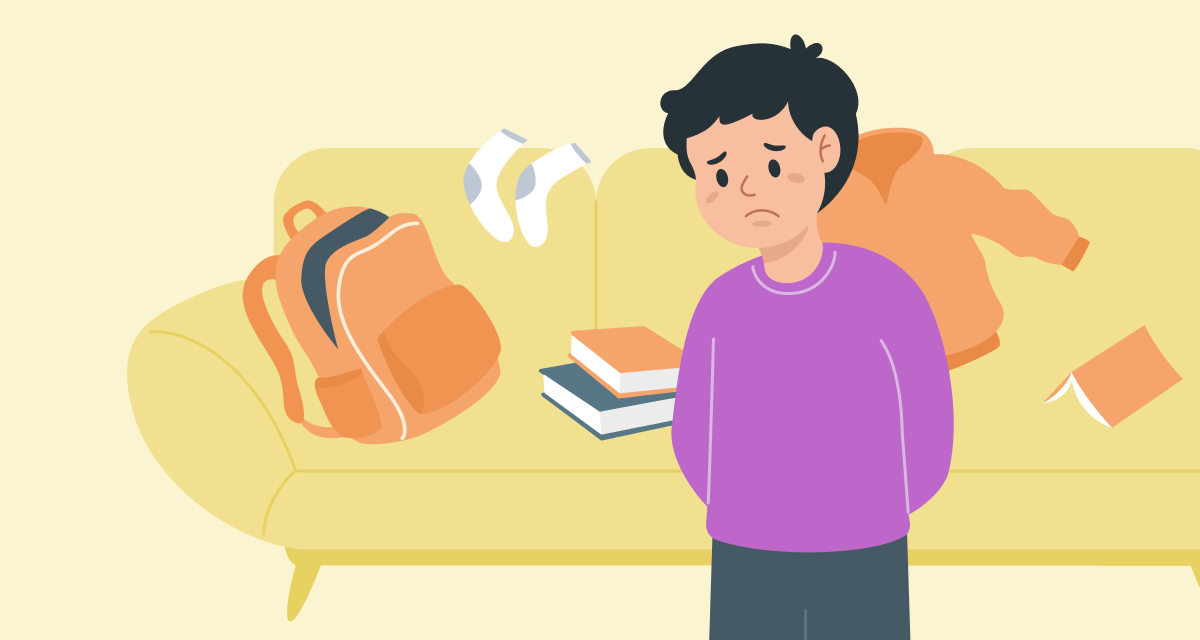
Even when you’ve talked through the rules more than once, kids can still forget simple agreements. They promised to turn off the tablet on time, but missed the moment again. You agreed they’d clean up their toys, and the room is still a mess.
Between ages 7 and 11, children are still learning how to plan, keep promises in mind, understand consequences, and manage impulses. Breaking agreements is part of development. What matters most is helping your child learn to follow rules without constant conflict or punishment.
Why Kids Ages 7–11 Often Break Agreements
Elementary-age kids need time to learn how to hold rules in mind and follow them without reminders. Strong emotions and impulses often win over logic at this age. A child may get absorbed in a game or activity and genuinely forget what you agreed on.
At the same time, their need for independence is growing. They want to do things their own way, test boundaries, and make decisions without adult guidance.
Sometimes the rules themselves are too complex or unclear. When that happens, a child isn’t breaking the rule on purpose — they’re facing a task that’s simply hard to understand or manage.
How to Explain Rules So Your Child Can Really Hear Them
For agreements to work, kids need clear and concrete guidance. At this age, short and simple rules work best — one action, one clear meaning.
If an explanation is too vague or abstract — like “be responsible” or “behave well” — a child doesn’t know how to turn that into action.
It helps to check understanding. Ask your child to repeat the rule in their own words or show how they plan to do it. When expectations are clear, children are more motivated to follow through.
Reminders Are Care, Not Control
Kids ages 7–11 still struggle to keep several tasks in mind at once. They may truly want to follow the agreement, but forget when something else grabs their attention.
That’s why reminders are a form of support, not micromanagement.
Calm, neutral reminders work best: “It’s 7:55 — let’s set a five-minute timer.”
Visual cues can also help: checklists, notes, alarms, or a sticker on the door. These tools slowly build responsibility by teaching kids to notice time, plan ahead, and keep rules in focus.
What to Do If a Rule Is Broken Again
Even when an agreement was clear and discussed in advance, it may still be broken. That’s part of learning.
Try to stay calm and avoid accusations. Start with the facts:
“We agreed you’d clean up the toys before dinner. Dinner is over, and they’re still on the floor.”
Then ask what happened. Your child may have forgotten, gotten distracted, or misunderstood what was expected.
Next, talk together about what could help next time — setting a timer, breaking the task into two steps, or cleaning together for the first five minutes.
These small strategies show your child that making mistakes — and learning how to fix them — is safe. And that’s how responsibility really grows.
References
- What Does Discipline Really Mean? The Center for Parent and Teen Communication, 2025
- How to Practice Positive Discipline at Home, Parents, 2023
- Working memory, Alan Baddeley, 2020
Проверьте электронный ящик