

















Many parents of tweens and teens are confused by the “glazing” meaning. To clear things up, here’s everything you need to know about the slang term “glazing” and how it’s being used by kids at school, online, and in their friendship circles.
Contents:
- “Glazing” Meaning
- Where Did the Slang Term “Glazing” Come From?
- How Is “Glazing” Used Online?
- “Stop Glazing” — What People Really Mean
- Is “Glazing” an Insult or Just Harmless Slang?
- Why Teens Use Slang Like “Glazing”
- Staying Aware of Your Child’s Digital World
- Related Slang List Parents Often Ask About
- FAQs
“Glazing” Meaning
In today’s slang, the term “glazing” is a verb used to describe someone who is excessively praising or hyping up someone else. For example, “That teacher was really glazing you” would imply that a teacher was giving someone over-the-top praise or compliments.
The slang phrase is not to be confused with the dictionary definition of “glazing,” which involves giving something a smooth, glossy finish. For example, a piece of pottery or a glazed donut.
Accusing someone of “glazing” in 2026 is essentially calling them a bootlicker, a people pleaser, or accusing them of unfair bias towards a person or group.
Where Did the Slang Term “Glazing” Come From?
Like most modern slang, it’s difficult to pinpoint the exact origin of the term “glazing.” However, it most likely rose to prominence on social media, evolving from the literal meaning of “covering something in glaze” — a metaphor for overcoating someone in compliments.
The term first appeared on TikTok in 2021–2022, evolving quickly to encompass several similar but slightly different meanings. While the core interpretation of the phrase is to give someone unwarranted praise, some sources suggest it also refers to a lack of authenticity, often to the point of being cringeworthy or annoying.
How Is “Glazing” Used Online?
@mindoftruzz Insane glaze #skitscomedy #viralvideo #funnyvideo #brainrot ♬ Classic classical gymnopedie solo piano(1034554) – Lyrebirds music
The term “glazing” is used across TikTok, Instagram, Reddit, and X (Twitter) in comment sections, captions, and meme-style videos.
Most recently, it has entered “reply culture” on social platforms, defining how users publicly hype up or obsess over others to gain favor online. “Glazing” is often used to describe fans who excessively praise their favorite celebrity or sports star, for example.
You’ll also see the term thrown around in group chats and gaming communities. Sometimes it’s just harmless teasing between friends, but other times it may point towards toxic social hierarchies or bullying.
Examples of “Glazing” in Context
Here are some ways that “glazing” might be used in a sentence:
- “Bro, stop glazing those girls. They’re not interested.”
- “Man, that teacher was glazing you hard today.”
- “My parents are always glazing my brother. It’s so annoying.”
“Stop Glazing” — What People Really Mean
@saybeast Bro stop glazing 😭🤦🏻♂️ #foryou #fyp #funny #comedy #lingo #philly #newyork #delco ♬ original sound – saybeast
If someone says “stop glazing,” they mean “stop excessively praising or complimenting” another person. An example might be if one person in a friendship group was hyping up another, fellow students might accuse them of “glazing.”
Is “Glazing” an Insult or Just Harmless Slang?
Although using “glazing” in conversation may seem harmless, some parents and teachers have legitimate concerns about the new term.
Like all slang, whether or not accusing someone of glazing is harmless or harmful is dependent on context.
If peers are teasing each other while playing a game, referring to each other as “glazers” in lighthearted conversation, this is generally harmless. But if the term is repeatedly used to mock peers who are conscientious, helpful, or even kind, it could signal something more troubling.
It’s important to speak to your child about the term and discuss appropriate use of language more broadly—when it’s OK to use the word “glazing” (as a lighthearted tease among friends) and when it’s not (to belittle or degrade someone).
If you hear your teen or child use the word, ask them what you think it means, and don’t be afraid to challenge their opinions.
Why Teens Use Slang Like “Glazing”
Slang terms like “glazing” are part of a modern social lexicon that continues to evolve. It’s important to stress that all kids and teens use slang and in-group language to develop a sense of belonging with their peers. This is, and always has been, a normal part of growing up.
For better or worse, slang terms like “glazing” also give young people the language to navigate social dynamics. Funny and ironic terms can also help young people cope in an increasingly complex world by using humor and relational bonds.
Staying Aware of Your Child’s Digital World

Findmykids app
Although you can’t be there to witness all of your child’s social interactions, you can become more aware of their online life to help protect them from bullying and teach positive communication habits.
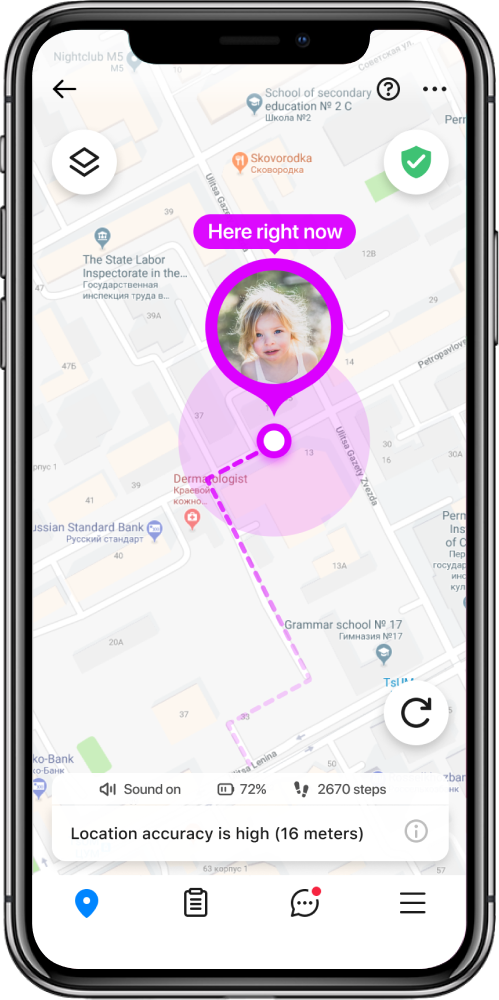
With Findmykids, you don’t spy on your child’s private messages or social media content—but you do get meaningful insights that help you stay connected and supportive. The app allows you to track your child’s location in real time, receive alerts when they arrive at or leave key places (like school or home), and see which apps they use the most and for how long.
This gives you a clearer picture of your child’s digital habits—when they’re spending too much time scrolling, gaming, or chatting—so you can step in early, start a calm conversation, and set healthy boundaries when needed, without invading their privacy.
If you want to stay involved in your child’s online life while still respecting their independence, Findmykids can help you keep them safe—and give you peace of mind.
Related Slang List Parents Often Ask About
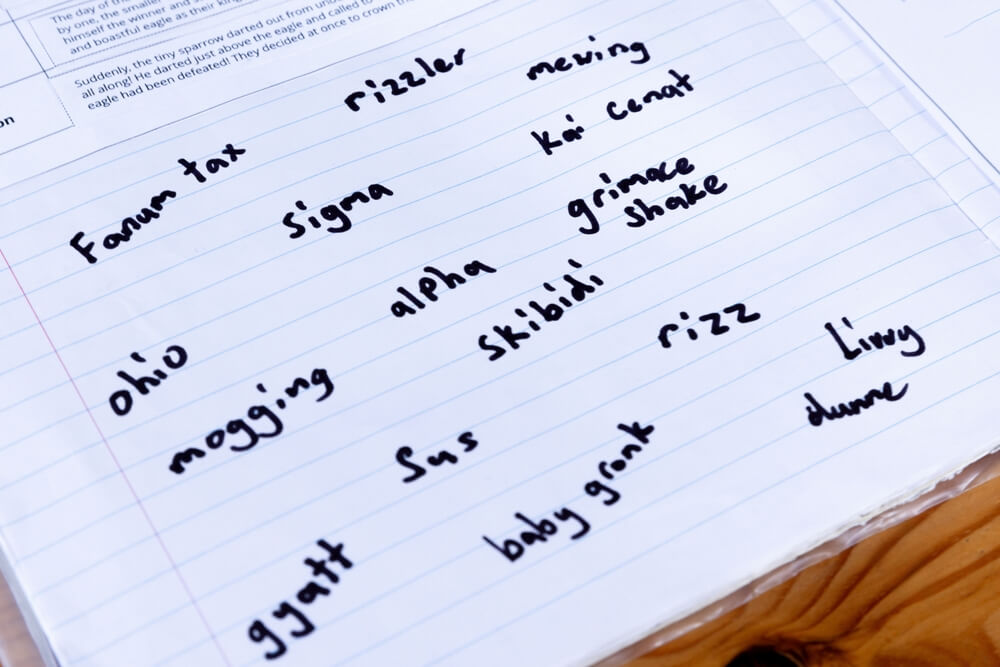
Keeping up with teen slang isn’t about sounding “cool” — it’s about being able to talk with your child, listen without judgment, and check when something doesn’t feel right. Slang changes fast, and meanings can shift depending on context, platform, or even a specific friend group. But when parents stay curious instead of dismissive, it becomes much easier to find common ground and stay connected to their digital world.
Here are some slang terms parents often ask about:
- Brain rot: Refers to mindless, often AI-generated content.
- Sigma: Generally means “good” but can also mean a “sigma male,” which is an independent lone wolf.
- 6-7: Viral, ambiguous slang that originates from the rap song “Doot Doot (67)” by Skrilla. It essentially means nothing but is a funny trend kids like to share.
- Goat: Acronym for Greatest of All Time.
- Delulu: Delusional.
- Bro: Boy, brother, close friend. Sort of like “dude.”
- No cap: No lie.
Read more: From “Rizz” to “Skibidi”: What Gen Alpha Slang Words Mean for Parents.
Helping Your Child Navigate Modern Slang
MPIX/Shutterstock.com
Modern slang is an important part of your child’s world. It helps them fit in among their peers and to keep up with cultural shifts. That said, kids and teens can often feel pressured to use slang terms in a way that doesn’t feel positive. They can also be victims of bullying through terms like “glazing.”
Keeping up with modern slang terms as a parent is the first step towards entering healthy dialogue about your child’s communication habits. If you understand terms like “glazing,” you can encourage them to use slang terms in a fun and appropriate way.
FAQs
What does “glazing” mean in slang?
“Glazing” means giving someone excessive, often unwarranted praise or compliments.
What does “stop glazing” mean?
“Stop being so sickly sweet in your praise for that person”, often with the implication that your compliments are insincere, or your treatment of that person is biased.
Is “glazing” the same as “simping”?
The two terms are similar because they both involve excessive praise or admiration for someone. However, “glazing” is a broader term that refers to extreme or disingenuous praise towards a person or group. “Simping” is more specifically about submissive admiration for a crush or love interest.
What does “glazed” mean?
In modern slang, to “glaze” someone is to shower them with excessive praise. (E.g. “You’ve just been glazed.”)
Why do kids say “glazing” at school?
Kids might say “glazing” in school to refer to a teacher who excessively praises a particular student, or they might use it to accuse one another of disingenuous compliments (e.g., “Stop glazing that boy!”
Is it bullying?
Not necessarily, but it depends on the context. To lightly tease a friend about “glazing” someone they admire or their favorite celebrity generally wouldn’t be considered bullying.
However, if the term is used to mock or belittle someone—especially as part of a pattern of bullying language or behavior—then it requires intervention.
What’s the non-slang meaтing of “glazing”?
In non-slang terms, the word “glazing” means to apply a thin, shiny, or lustrous glaze to a surface. Think: the process of installing windows (e.g., glazing to reduce traffic noise) or icing baked goods (glazing a donut).
Cover image: freepik / Freepik.com
Проверьте электронный ящик