












Helping Your Child Stand Up for Themselves

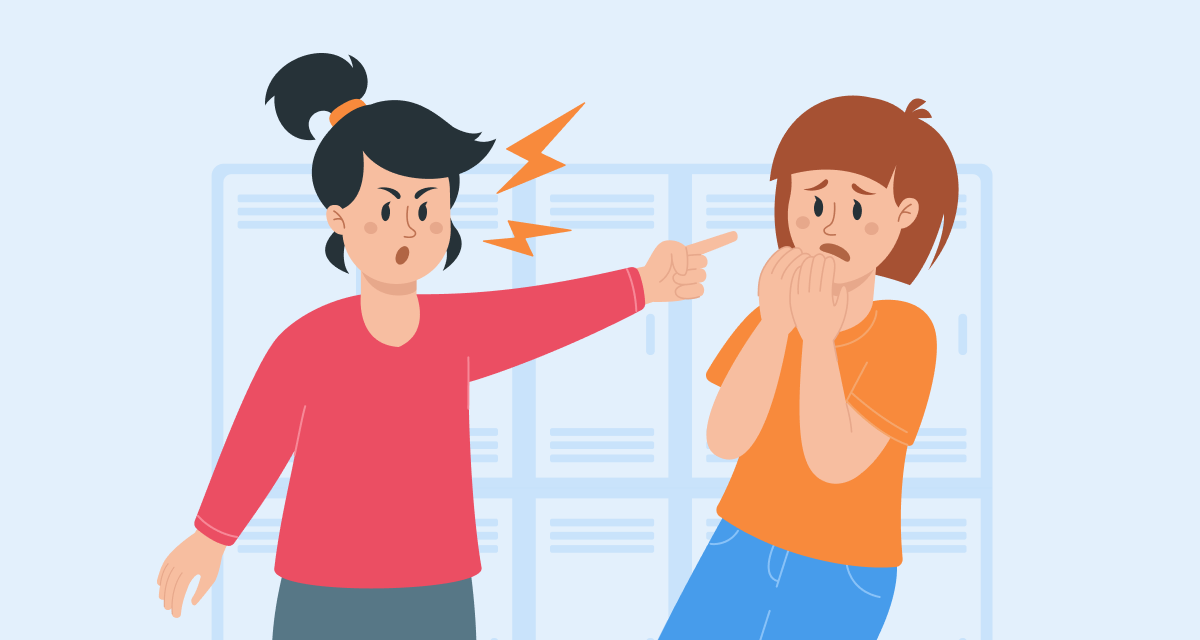
When a child joins a peer group, they are beginning to learn how to interact with others. Often their interests do not match those of their peers. This is when the first conflicts appear, and they are not always easy to resolve.
In this article, we look at how parents can help a child stand up for themselves, what ways of handling conflict exist, and when parents should step in.
Conflicts in Children’s Environments
Disagreements between children are a normal part of growing up. Through conflict, children learn to share, protect what is theirs, and negotiate.
Younger School-Age Children: Ages 7–10
After preschool, new reasons for conflict appear. These include jealousy over grades, teacher attention, or physical appearance. At this age, it is important to help children recognize emotions and learn peaceful ways to resolve disagreements.
Teens: Ages 11–17
Conflicts become more emotional. Teens are searching for their place among peers and often trying to gain attention or approval. In some cases, conflicts can turn into bullying. It is important for adults to notice the problem early and help stop it.
Teaching Your Child to Protect Themselves
Standing up for yourself means being able to express your feelings clearly, maintain personal boundaries, and not allow others to cross them.
To help a child develop this skill, parents need to talk in advance about how to act in different situations, where the line between self-protection and aggression is, and when it is important to ask an adult for help.
Ways to Handle Conflict
Children respond to conflict in different ways. Here are the main options available to them.
1. Competition
The child tries to defend their interests and prove they are right. Sometimes this comes across too strongly, so it is important to teach them to express their position with words, not force.
2. Avoidance
Sometimes a child simply walks away from a conflict. This is not always a weakness. In some situations, it helps prevent the conflict from escalating. What matters is that the child does not suppress their feelings.
3. Compromise
The child looks for a middle ground between their own interests and the other person’s interests. This is a valuable skill, but it is important that compromise does not turn into giving in out of fear.
4. Smoothing Things Over
Some children give in to avoid an argument, for example by handing over a toy or agreeing with someone else’s opinion. It is important to explain that peace does not always require self-sacrifice, and that standing up for yourself is also okay.
5. Ending the Relationship
After a conflict, a child may stop communicating with the other person. This is a natural reaction, especially for younger children. Over time, with adult support, they can learn how to rebuild contact if they choose.
6. Cooperation
This is the most effective way to handle conflict. The child learns to negotiate, look for shared solutions, and understand other people’s feelings. This approach builds confidence and self-respect.
How Parents Can Help
A child needs to know that you are on their side and ready to help. Do not scold or raise your voice, as this only increases anxiety. Calmly explain that their feelings and interests matter just as much as anyone else’s, and that standing up for yourself is a skill that can be learned.
If the child is still young and cannot handle the situation on their own, step in and help. It is important for them to see that adults are nearby and supportive.
Try creating a simple action plan together for conflict situations, for example:
- If someone tries to take a toy, the child can say, “This is my toy. I’m still playing with it. We can play together later.”
- If someone is being aggressive, they can say, “That hurts. Please stop, or I will tell an adult.”
- If the other child does not listen, it is important to ask a teacher, caregiver, or any nearby adult for help.
You can practice these situations through role-play or talk them through together by asking questions like, “What would you do if someone calls you names?” or “What if someone pushes you?” This helps the child stay calm and respond instead of freezing.
⠀
Conflicts are a natural part of growing up. Through them, children learn to understand themselves and others. A parent’s role is not to shield a child from disagreements, but to help them find safe and respectful ways to resolve them. Calm adult support gives a child confidence that even in difficult situations, they are not alone.
References
- Must-Have Conflict Resolution Skills for Teens, Parents, 2025
- Social-Emotional Learning Can Help Prevent School Violence—Here’s Why, Parents, 2022
- How Do Children Deal With Conflict? A Developmental Study of Sequential Conflict Modulation, Frontiers in Psychology, 2018
- Conversation skills for children: learning to talk and listen to others, Raising Children Network
- Preventing sibling fights: tips, Raising Children Network
Проверьте электронный ящик