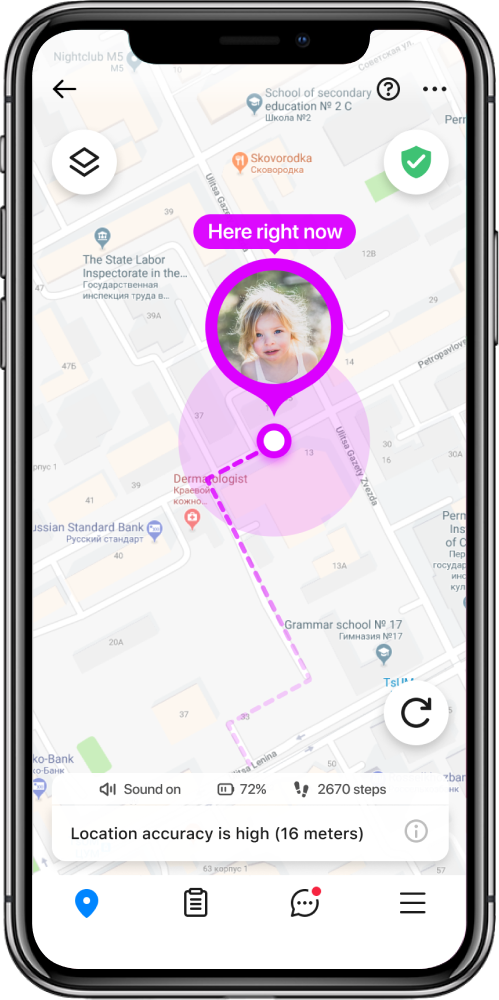















Internet safety

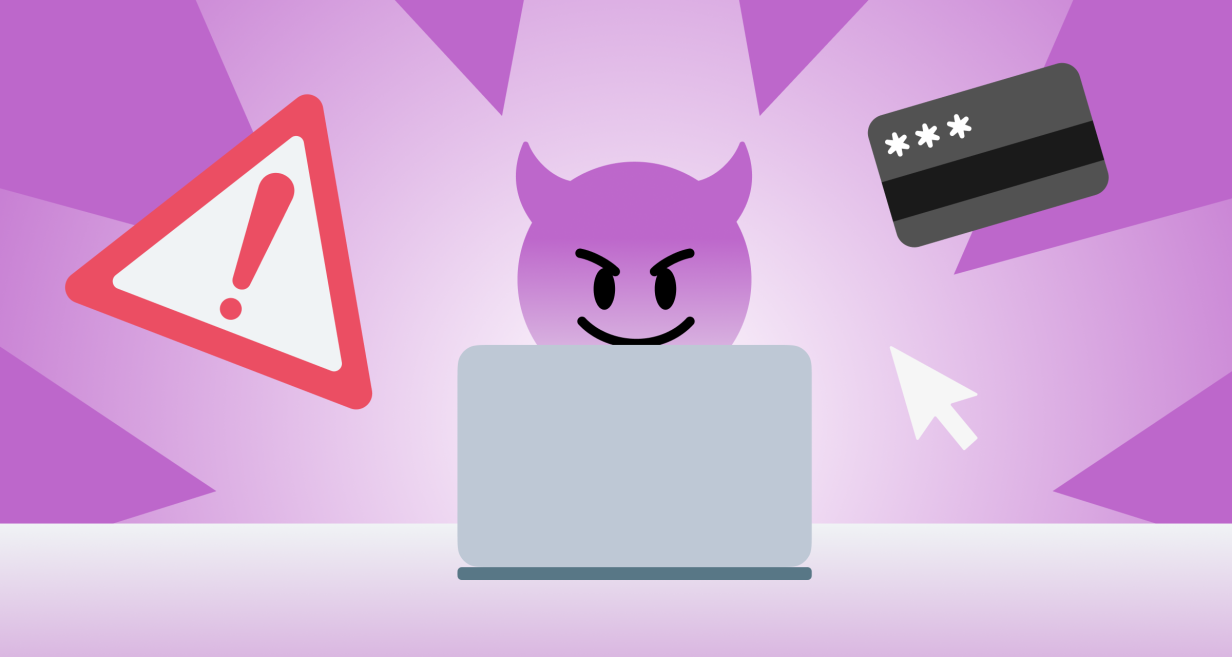
What children do online — and how to talk about it
Children today live online the way we once lived in the neighborhood — hanging out, making mistakes, figuring things out. The difference is that the neighborhood has gone digital, and it’s not always easy for parents to follow.
It’s tempting to go to extremes: either ignore it entirely and hope for the best, or try to monitor everything. Neither works long-term.
The good news is that online safety doesn’t start with restrictions or surveillance. It starts with connection — when a child knows that if something goes wrong, they won’t have to deal with it alone.
Trust and control: finding the balance
The conversation about internet safety is best started before anything happens — ideally when your children are young, around the time they first pick up a tablet to watch cartoons. The older a child gets, the harder it is to monitor them, and the more important it is that you’ve already built a habit of talking openly.
Parental controls, browser restrictions, screen time limits — these are all useful tools. But they only work alongside a conversation. Your child should understand why these tools exist. Not “I’m watching everything you do,” but “I want you to be safe while you’re learning to navigate this world. When you’re ready, we’ll figure out something different.”
How long should you keep controls in place? There’s no fixed answer. The best gauge: the more confidently your child handles difficult situations — and the more readily they come to you when something goes wrong — the more you can step back. It’s not about age. It’s about trust that builds in both directions.
What every child needs to know
Here are a few principles worth coming back to regularly, starting young:
The internet remembers everything. Messages, photos, comments — even deleted ones — can be saved and shared. Before posting anything, it’s worth asking;: “Would I be okay with everyone seeing this?”
There’s no real anonymity. Being unkind online still has consequences — sometimes serious ones. Words don’t disappear just because they were typed.
Personal information stays private. Home address, school name, photos with location tags, the route they walk home, the car parked outside — all of this can help a stranger locate a child in real life.
Don’t click on links from strangers. Even if the message looks like it’s from a brand they recognise, or appears to come from a friend’s account, your child shouldn’t click on it until they have checked with the friend directly first.
Never share passwords or card details. Not with anyone. No matter how convincing the request sounds.
Tell a parent immediately if something online feels strange, uncomfortable, or frightening. Don’t try to sort it out alone.
Watch out: scams
Online scams targeting children and teenagers are becoming more common and more convincing. Even adults fall for them. Here are a few real scenarios worth knowing about:
“You’ve won a prize.” A message arrives saying your child has won a giveaway — they just need to enter their details or pay for delivery. But there is no prize. It’s a way to get card information or cash.
“Vote for me.” A message appears to come from a friend: “Help me out, vote using this link.” The link leads to a phishing site that steals account credentials and then sends the same message to everyone on your child’s contact list.
“Download this game for free.” Installing software from unofficial sites often comes with hidden malware that can steal passwords and account access.
“I know what you did.” A message claims to have photos or information about your child. The aim is to frighten them into sending money or more personal information. This is blackmail and it’s illegal.
The response to all of these is the same: don’t reply, don’t click, don’t pay — and show a parent straight away. Even if it feels easier to deal with it alone.
Cyberbullying: when the hurt follows them home
Bullying has always existed. What’s changed is that it no longer stops at the school gate. A child who is bullied online carries it with them everywhere — on their phone, at the dinner table, in their bedroom at night.
Cyberbullying can look like many things: cruel comments on a post, being left out of a group chat on purpose, screenshots shared to humiliate, rumours spread across an entire year group in minutes. Sometimes it’s a single person, sometimes a pile-on. Sometimes the person doing it doesn’t even think of it as bullying.
A few signs worth paying attention to: your child goes quiet after being on their phone, avoids talking about school, seems anxious about messages arriving, or suddenly doesn’t want to use a device they used to love. None of these is proof of anything on its own, but together they’re worth a conversation.
What to do if it’s happening
Don’t take the phone away. It can feel like the obvious solution, but to a child it can feel like punishment — and it cuts off their connection to friends who aren’t involved.
Screenshot everything before blocking or deleting. Evidence matters, especially if the situation escalates.
Report it — on the platform, and to the school if it involves classmates. Most platforms have reporting tools; most schools have policies. Use both.
If the threats are serious or involve explicit images, contact the police. This is not an overreaction. Some forms of cyberbullying are illegal.
And the most important thing: make sure your child knows that nothing they did caused this, and that coming to you was exactly the right move.
How to have these conversations without shutting things down
There is no perfect moment. A young child might not understand what you’re talking about. A primary schooler will be convinced it couldn’t happen to them. A teenager will roll their eyes and claim they’ve heard it all before.
But that’s the job. Sometimes parenting means saying the same things on repeat because when the moment comes, your child will remember your voice.
A few things that make these conversations a little less painful:
Ask questions instead of lecturing. “What’s everyone watching right now?”, “Has anyone you don’t know ever messaged you?” — this is a conversation, not a talk.
Short and often beats long and annual. A three- minute chat in the car does more than a big sit-down discussion once a year.
Use a real example. If you hear about a scam, bring it up: “This is actually a thing that happens. What would you do?”
Stay calm. If your child tells you something alarming, try not to show how alarming you find it. If they see a big reaction, they’ll think twice before coming to you next time.
Things worth agreeing on in advance
Rules that work best are ones you’ve worked out together — not ones that were handed down.
A code phrase. Agree on something your child can use in a message or call if they feel threatened but can’t say so directly. A phrase works better than a single word — it’s harder to say by accident.
The “show me first” rule. If something suspicious arrives — don’t reply, don’t delete it, show a parent. A screenshot is evidence.
No giving in to blackmail. If someone threatens to share something embarrassing, paying or complying will only make things worse. The right move is to tell a parent immediately. It can feel like everything is ruined. It isn’t. These situations are solvable — there are professionals, there are legal options, and you’ll be on their side no matter what.
When and where screens are allowed. Setting clear, predictable limits reduces conflict and gives everyone something to refer back to.
What you can do today
Ask about their online life — what they’re into, what everyone’s using — and just listen. That’s the foundation for every conversation that follows.
Try a mini scenario: “Someone messages you to say you’ve won a new phone. What do you do?” — talk through it together, without judgment.
Come up with a code phrase — right now, as something fun. Write it down.
Check privacy settings on their phone and social media accounts — together, not without them.
Set up parental controls if you haven’t yet, and explain to your child what they do and why they’re there — including when you plan to phase them out.
The goal isn’t control. It’s a child who knows that if something goes wrong online, there’s an adult they can come to without being afraid of what happens next.
Проверьте электронный ящик