
















Why Teens Don’t Get Enough Sleep and How to Help

The teenage years are a time of rapid change: the body grows, hormones shift, and emotions feel stronger than ever.
Healthy sleep becomes especially important during this period — it helps teens handle schoolwork, stay focused, and feel more emotionally balanced.
Doctors recommend that teens ages 12–17 sleep 8–10 hours a night. But in real life, that happens far less often. Let’s take a closer look at why this is the case and how you can help your child get the rest they need.
What Keeps Teens From Getting Enough Sleep
Teens spend a lot of time on their phones and often don’t think much about sleep or rest. They care more about friends, hobbies, sports, and social activities.
But it’s not just habits. Biology plays a big role. When puberty begins, many teens experience a shift in their natural body clock: melatonin, the sleep hormone, starts being produced later than it did in childhood.
Because of this, falling asleep early genuinely feels difficult for many teens.
How Lack of Sleep Affects Teens
Not getting enough sleep often leads to irritability, trouble focusing, fatigue, daytime sleepiness, and even a weakened immune system. It can also cause overeating — and as a result, weight gain (this applies to adults, too.)
Beyond mood and energy, sleep deprivation in the teen years affects overall health:
- Memory gets worse, and learning becomes harder
- Stress tolerance drops
- The risk of catching viruses and other illnesses goes up
- Mood swings become more common
How to Help Your Teen Build a Healthier Sleep Routine
You can’t put a 12—17-year-old to bed by command the way you might with a younger child. This stage is all about communication, understanding, and explaining why sleep matters — in a way that feels supportive rather than controlling.
Agree on a Sleep Schedule Together
Discuss a bedtime and wake-up time that works for both your teen and your family. It’s ideal if the schedule stays similar on weekends — this helps the body fall asleep and wake up without extra stress.
We know it’s not easy, but it’s worth trying.
Reduce Screen Time Before Bed
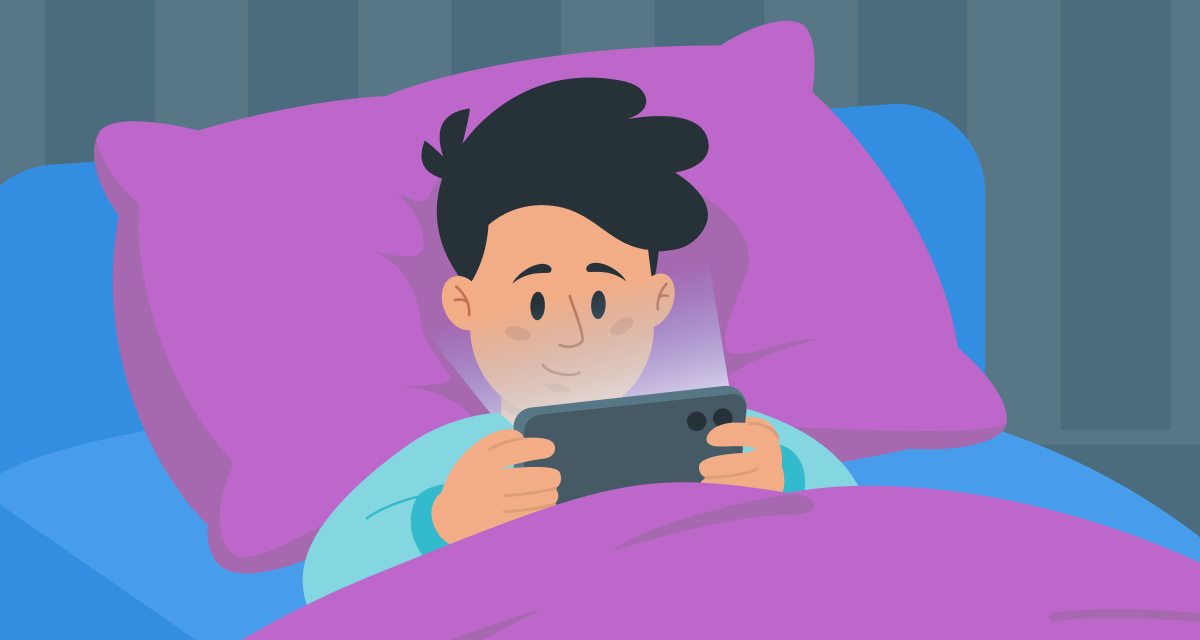
Blue light from phones or laptops late at night makes it harder for the body to produce melatonin. Try gently offering alternatives: reading, calming music, or simply talking before bed.
Make the Bedroom Sleep-Friendly
Simple things matter: fresh air, a comfortable bed, blackout curtains.
Let your teen choose their own night-light or sleep mask — this gives them a sense of control and may motivate them to try a new sleep routine.
Stay Physically Active During the Day
Movement and sports help teens fall asleep faster. The key: finish workouts at least two hours before bed, and avoid intense training 3–4 hours before sleep.
An evening walk together can be a great alternative — it’s good for health and a nice moment to connect.
Keep Dinner Light
Heavy foods — like greasy meat, fast food, or sweets — make restful sleep harder. Talk with your teen about lighter dinner ideas.
Good options include proteins and vegetables: fish with carrots, a feta salad, turkey with vegetable stew.
Talk About Why Sleep Matters
Teens are more willing to follow routines when they understand why they matter. You can explain that sleep affects not just health but also mood, memory, and concentration.
Personal examples work especially well — like moments when your teen slept well and found it easier to handle school or sports.
What to Remember
Sleep is essential for healthy growth and development. It’s genuinely hard for teens to manage their sleep on their own, which is why gentle parental support is especially important.
The goal isn’t to force — it’s to help create a comfortable environment, communicate clearly, and lead by example.
If your teen learns to take care of their sleep now, this habit will support them well into adulthood.
References
- Understanding Your Child’s Sleep Needs at Every Stage: A Parent’s Guide, Parents, 2025
- Associations between sleep and academic performance in US adolescents: a systematic review and meta-analysis, Sleep Medicine, 2021
- Why Teens Must Sleep Well, Center for Parent and Teen Communication, 2018
Проверьте электронный ящик