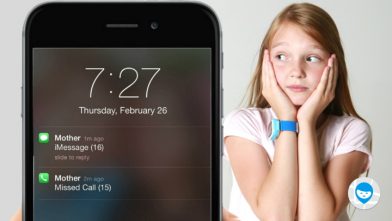















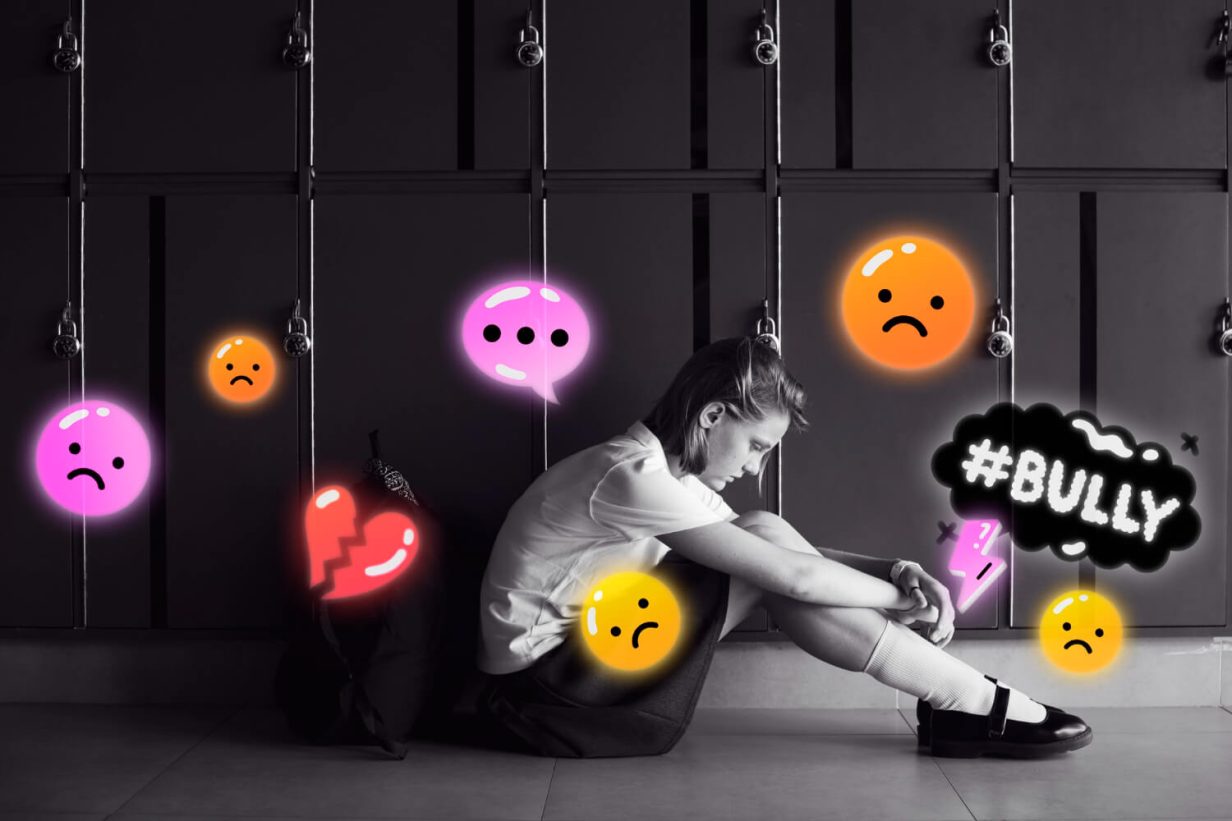
Cyberbullying is on the rise, and both adults and kids can find themselves victims of digital aggression. Online bullying can have a devastating effect and take many forms. As parents, we may not even be aware that it’s happening to our children.
Why do people cyberbully? Below, we’re going to run through some of the key causes and consequences and how to protect your kids from online abuse.
Contents:
What is Cyberbullying and Why This Matters
Kaspars Grinvalds/Shutterstock.com
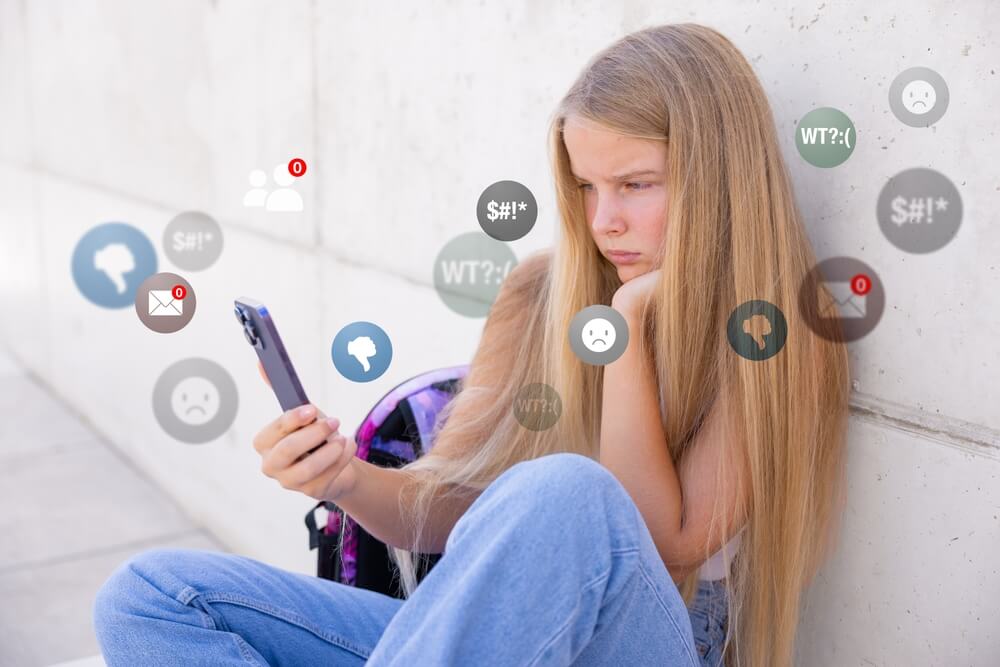
Cyberbullying is when someone uses the internet, messaging apps, online games, social media, and other digital platforms to intentionally embarrass, hurt, or upset someone else. It may involve sending text messages, posting, or sharing negative, mean, harmful, or false content, including videos, memes, or another person’s private information.
Even more so than offline bullying, cyberbullying can be extremely difficult to escape, can take place in public, and persist over the long term, with digital content spreading quickly and remaining online permanently. Research highlights that the scale and visibility of online communication are key factors that distinguish cyberbullying from offline forms of peer aggression.
How Сommon is Сyberbullying
⠀
The scale of the problem is significant and well documented across countries.⠀
⠀
— Аccording to the Pew Research Center, about 59% of U.S. teens report experiencing at least one form of cyberbullying, including name-calling, rumors, or receiving explicit unwanted content.⠀
⠀
— А UNICEF global poll found that one in three young people in 30 countries has experienced cyberbullying, while one in five has skipped school due to online bullying and violence.⠀
⠀
— Аround 1 in 6 adolescents (15%) report being cyberbullied, according to WHO-supported research in Europe and Central Asia.
While it may be tempting to dismiss cyberbullying as simply “online drama,” it’s actually much more serious than this. A large body of research shows consistent associations between cyberbullying and negative mental health outcomes. A meta-analysis published in JAMA Pediatrics found that peer victimization, including online bullying, is associated with an increased risk of suicidal ideation and suicide attempts.
Similarly, a systematic review in the Journal of Medical Internet Research found that adolescents exposed to cyberbullying are more likely to experience depression, anxiety, and psychological distress.
For more information on the effects of cyberbullying behavior, take a look at this article.
Taken together, these findings show that cyberbullying is not a trivial online conflict. It is a form of peer aggression that is consistently linked in research to serious emotional and psychological outcomes.
Understanding what cyberbullying is—and why it matters—is the first step in helping children stay safe and supported in a digital world.
Why Do People Cyberbully?

Freepik / Freepik.com
There is no single profile of a cyberbully and no single reason behind the behavior. In most cases, cyberbullying emerges from a combination of emotional states, social pressure, and the specific features of digital communication. Researchers consistently describe it as a multi-factor phenomenon rather than a deliberate, consistent pattern of cruelty.
А large body of research confirms that cyberbullying is linked to factors such as low empathy, exposure to aggression, impulsivity, and previous experiences of victimization. One meta-analysis covering nearly 100,000 participants found that both psychological traits and social environment significantly increase the likelihood of online aggression.
Power, Attention, and Social Status
For many perpetrators, cyberbullying is a tool for social positioning. Online spaces amplify visibility, and harmful content can generate fast reactions, likes, or attention.
In adolescent environments, aggression is sometimes used to appear dominant or popular within a peer group.
Research shows that motives such as dominance and entertainment are among the most commonly reported drivers of cyberbullying behavior.
Mental Health and Emotional Instability
In some cases, cyberbullying behavior is connected to underlying emotional or psychological difficulties. Mental health professionals note that traits such as impulsivity, hyperactivity, substance use, and difficulties with emotional regulation can increase the risk of aggressive online behavior.
Loneliness and social isolation can also play a role. When individuals feel excluded or disconnected, online aggression may become a way to release frustration or regain a sense of control, even temporarily.
This does not make cyberbullying inevitable, but it helps explain why it can appear in people who are otherwise not socially dominant or overtly aggressive.
The Appeal of Anonymity
One of the strongest drivers of cyberbullying is the sense of anonymity the internet provides. Behind a screen, people often feel detached from real-world consequences.
UNICEF identifies anonymity as a key factor that enables online harm, as it reduces accountability and makes it easier to say or do things that would be avoided in face-to-face interactions.
In practice, anonymity changes perception: harmful messages can feel “less real” to the sender, even though their impact on the recipient is very real.
Peer Pressure
Peer pressure can cause youth bullying, with cyberbullying seen as being socially acceptable—even a social norm. Kids and teens may feel that their friends encourage or expect such bullying behavior, or that they could become a target of harassment themselves if they don’t get involved.
In this context, cyberbullying is less about individual intent and more about group behavior.
Being a Victim First
One of the most important findings in recent research is that victims of bullying are statistically more likely to become perpetrators later. This pattern is often described as a “bully-victim cycle.”
Studies show that exposure to bullying increases the likelihood of engaging in similar behavior online, possibly as a form of retaliation, emotional coping, or learned behavior.
In other words, harm can be repeated rather than resolved, especially in digital environments where conflicts are continuous and highly visible.
Think It’s Funny
a recent report from the UK’s National Council on Crime Prevention found that 81% of teens surveyed think that perpetrators find their cyberbullying funny. Because the bullying is anonymous, those responsible don’t see the real-world damage it causes, so they could be less likely to feel guilt or remorse as a result of their actions.
Offline Conflict Carried Into Digital Spaces
Many cyberbullying situations begin offline and continue online. Arguments between classmates, friendship breakdowns, or social tensions do not end when people leave school—they move into messaging apps and social media.
Digital platforms intensify these conflicts. Messages spread quickly, audiences expand instantly, and private disagreements can become public very fast. This removes natural boundaries that usually limit conflict escalation in face-to-face settings.
Who Is Most Likely to Be Involved in Cyberbullying?
Kiwistocks / Freepik.com
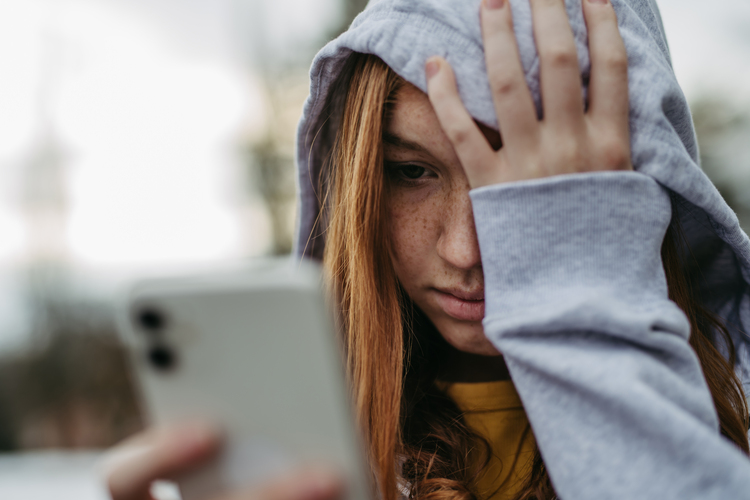
Аccording to research carried out by the Cyberbullying Research Center, adolescent boys are more likely than girls to be involved in cyberbullying.
A 2025 sample of students in the US aged 13 to 17 showed that 21.7% of boys and 10.4% of girls had cyberbullied others. The highest prevalence of cyberbullying was among middle and high school students.
Those who use social networking sites frequently are at a higher risk of both perpetrating and experiencing cyberbullying, and the Сenter also found that those who’d been a victim of in-person bullying were comparatively more likely to go on to perpetrate cyberbullying.
Other contributing factors can include exposure to hostile or polarized online communities and personality traits, including narcissism or a tendency towards victimhood.
Where Cyberbullying Happens Most Often
Cyberbullying can take place across many digital spaces, but it is more likely to appear in environments where communication is fast, constant, and highly visible.
Social Media Platforms and Social Networking Sites
The wide reach and public nature of social media platforms make them particularly attractive to cyberbullies. Apps such as Instagram, Facebook, TikTok, and Snapchat are not truly anonymous, since accounts are usually linked to a phone number, email, or identity details. However, they can still create a sense of distance between a person and their actions.
Behind a screen, it is easier to feel “separated” from real-life consequences. Messages, comments, or posts may feel less serious than saying something face-to-face. This perceived safety—rather than real anonymity—can make some people more likely to behave in ways they normally would not in person.
Direct Messaging, Text Messages, and Cell Phones
Cyberbullying can happen via direct messages and text messages—and with more kids having access to mobile phones than ever before, this is one of the most common ways that online harassment occurs. As well as sending mean comments or making threats, this could also entail using videos and images (including deepfakes) to mock the recipient and spreading rumors about the victim by messaging their peers and friends.
Gaming Platforms and Group Chats
When it comes to being bullied online, it’s important that parents are aware that cyberbullying can happen on gaming platforms and in chat groups. Members may send nasty messages on these forums in the same way as they would on social media sites. This could also include sharing personal or private information, or causing embarrassment or harm.
Anonymous Apps, Fake Accounts, and Repost Culture
Anonymous apps and fake accounts make it much easier for perpetrators to torment their victims without fear of being caught and having to account for their actions. By hiding behind a digital mask, cyberbullies may not even realize the impact their bullying is having on their victim’s life—many people cyberbully simply because they don’t fully connect what they’re doing online with real-world consequences.
What Cyberbullying Behavior Looks Like
SpeedKingz/Shutterstock.com
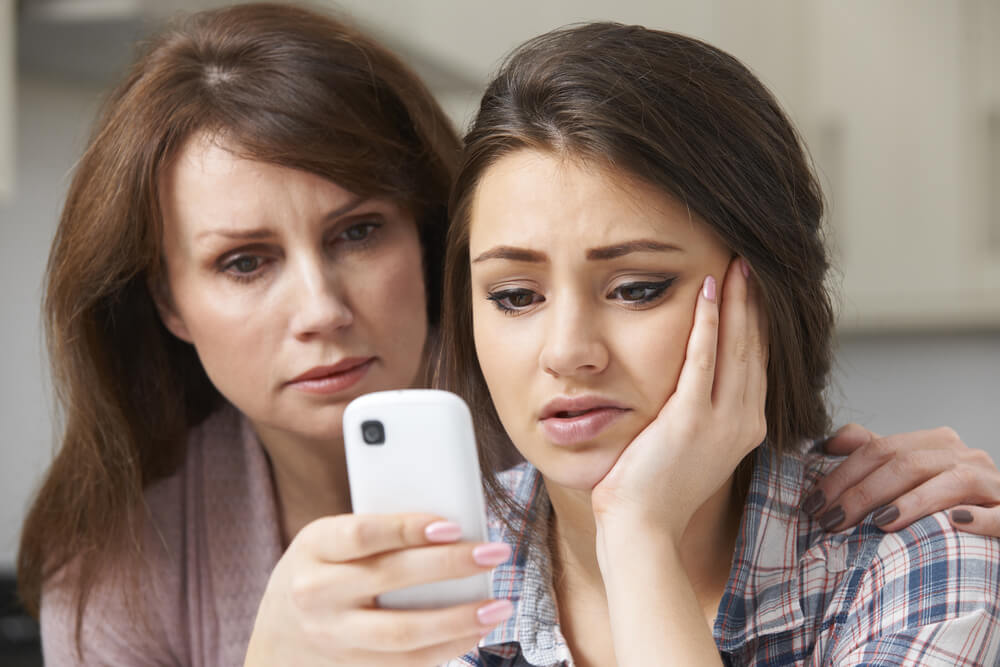
Cyberbullying does not always look the same. It can range from subtle repeated comments to direct harassment or threats, and often escalates over time if it is not addressed.
Hurtful, Mean Comments, and Online Abuse
Cyberbullying can take many different forms. One of the most obvious is the sending of hurtful or mean comments and online abuse. This harassment could take place on a range of forums and via different digital devices, and could go on for a long time. Those who are being electronically bullied may find themselves bombarded with negative direct messages or text messages sent to their cell phones, or nasty comments on their social media feed.
Sharing Private Information or Embarrassing Content
Cyberbullying includes sharing information or embarrassing content, which can be devastating for the person affected. Cyberbullies may share content that reveals, for example, the victim’s home address or details about their family, or videos designed to cause maximum embarrassment. Deepfakes can make things even worse, with bullies able to create entirely fake content to cause harm.
Making Threats or Sending Threatening Messages
As well as sending or sharing harmful content, cyberbullying can also involve making threats or sending threatening messages online. This, of course, is likely to be extremely stressful—even terrifying—for those experiencing this harassment. Again, the anonymous element of cyberbullying often makes the perpetrators bolder or more extreme in the type of threats they’re sending.
Excluding Someone on Purpose
When we think about cyberbullying, it’s likely the above forms come to mind first. However, online bullying can also take the form of purposefully excluding someone, such as not including them in chat groups or encouraging others to join in with the isolating activities. This is designed to make the victim feel bad and can have a serious impact on their self-confidence and well-being.
Impersonation, Rumor-Spreading, and Fake Accounts
The online world offers plenty of opportunities for cyberbullies to set up fake accounts or to otherwise pretend to be those they’re targeting. Bullies may use this technique to send mean messages to others that seem to come from the victim. Fake accounts can be used to spread rumors, share private information, or embarrassing content.
Signs Your Child May Be Experiencing Cyberbullying
If you’re worried your child is on the receiving end of cyberbullying, there are some signs to look out for.
- Behavioral and emotional changes, such as becoming anxious, nervous, or withdrawn.
- Physical symptoms, like problems sleeping, exhaustion, low energy, and loss of appetite.
- Social and academic impact, for example, falling grades in school, problems concentrating, or not wanting to socialize with friends and peers.
- Reluctance to go to school or the clubs they used to enjoy.
- Technology avoidance, such as not wanting to use their digital devices or their usual social media or gaming platforms.
- Secrecy around online activity or even deleting their online accounts without any explanation.
- Unusual financial requests may occur if a cyberbully tries to extort your child for money—look out, also, for money disappearing from a savings tin or your wallet.
Remember that, ultimately, you know your child best and their usual routines and personality. If you notice a change that’s not listed above, it’s always worth taking the time to find out the underlying cause.
How Findmykids Helps Parents Stay Aware and Support Their Child
Findmykids app
For young people who experience cyberbullying, the effect can be long-lasting and significant, and for parents, spotting the signs and taking steps to prevent cyberbullying is crucial. One of the best tools for this is the Findmykids app, which is already being used by millions of parents worldwide to monitor their children’s online activities and develop trust.
The app has a wide range of features, including screen time statistics and app usage insights (showing how much time a child spends in different apps) and time-based activity reports, which show whether the device was used during the night and for how long. This helps parents understand not only total screen time but also usage patterns across the day, including late-evening or nighttime activity when it occurs.
The app also includes the ability to restrict specific apps (or limit their use to certain times) and 18+ websites. This means if you’re concerned your child is being cyberbullied on a particular platform, you can block it if necessary—or at least get more visibility into their online interactions.
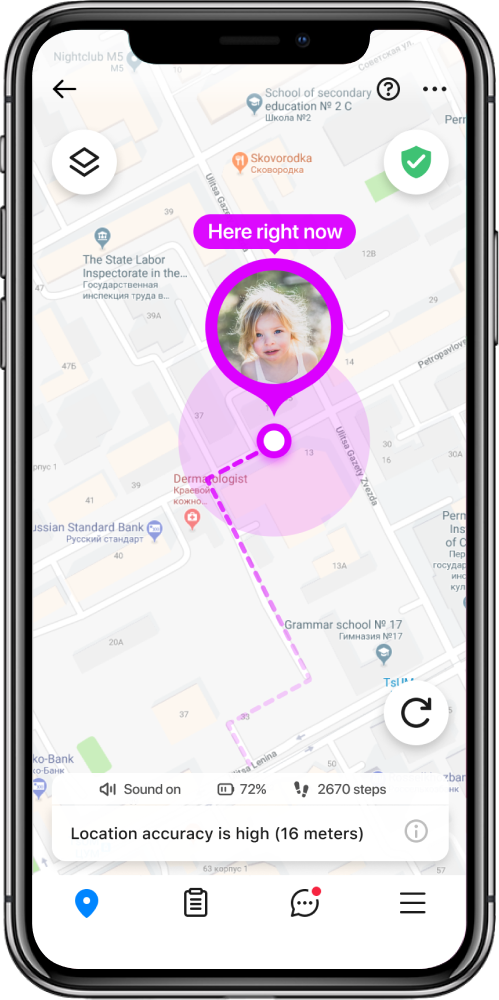
Findmykids can help keep kids safe offline, too, which can be especially important if you’re concerned that in-person bullying has segued into cyberbullying. Use its location tracker and route history tool to see your child’s movements and set up “safe” zones, such as school or grandma’s house. You’ll receive a notification when your kid arrives at or leaves one of these designated places.
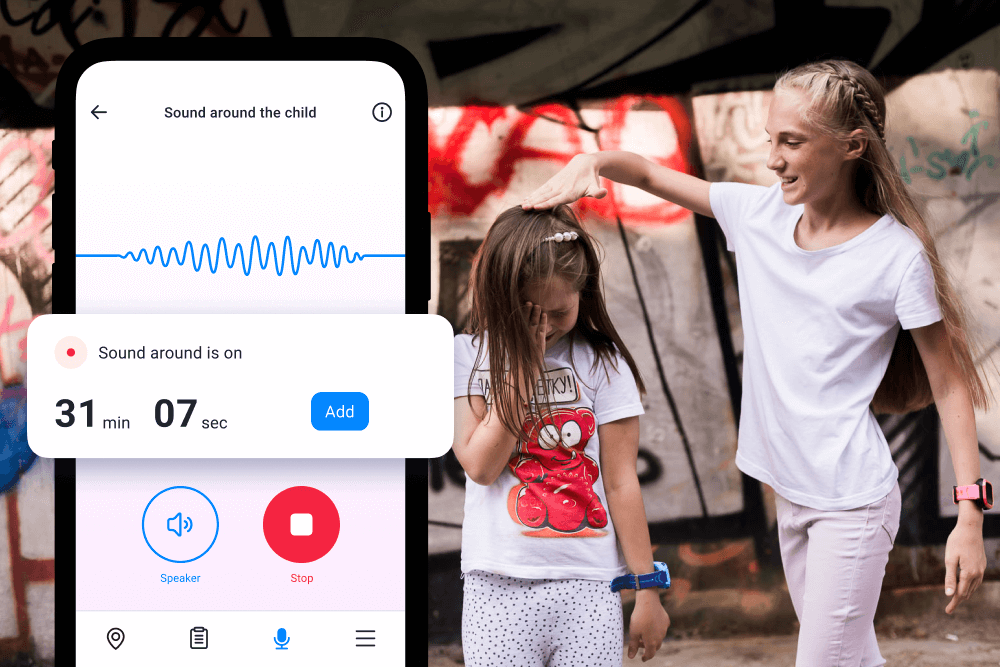
In addition, the app includes a Sound Around feature, which allows parents to hear ambient sounds near the child’s device in real time. It also has a Loud Signal function, which can be used to quickly get the child’s attention if they do not respond to messages or calls, and an SOS button, which allows a child to send an emergency alert to their parents in urgent situations.
Understanding a child’s digital world is often the first step to better support. Tools like Findmykids can help parents notice changes early and stay informed. Download the app to help prevent cyberbullying and better protect your child online and offline!
What Parents Should Do If Their Child Experiences Cyberbullying
When a child is affected by cyberbullying, parents often feel an urgent need to act immediately. But the most important first step is not to react, but to respond in a way that helps the child feel safe and heard.
Listen First Without Blame
If your child is experiencing cyberbullying, the first step is to listen to them carefully, and without assigning blame. Really pay attention to what your child is saying, and check with them that you’ve understood everything correctly.
It can be helpful to assure your child that they are not alone in what they’re experiencing and that many children have gone through the same thing. If you were bullied yourself at school, you could talk about your own experiences and how the situation was resolved. Reassure your child that you’ll work out a solution together, that they are loved and valued, deserve to feel safe, and have your complete support.
Save Evidence Before Deleting Anything
Depending on the nature of the cyberbullying, you may need to get your child’s school or the authorities involved. Further, there’s always the possibility that the bullying could continue or ramp up a notch, meaning that having evidence of the entire campaign of harassment is vital. Due to this, it’s important to save evidence of the bullying, such as emails, messages, and screenshots of comments, before deleting anything.
Use Parental Control Apps Like Findmykids
A reliable parental control app is an effective way to keep an eye on what your child is up to during their time online and spot concerning actions or patterns early. You can also use an app like Findmykids to block your child from accessing 18+ websites or apps if you’re worried that cyberbullying is taking place on a particular platform or forum.
As well as keeping your child safe online, Findmykids offers real-world safeguards, too, allowing you to track your kid’s location in real time and listen in if you’re worried they’re being bullied.
Report Cyberbullying to the Platform, School, or Other Authority
It’s crucial that, if a child is being cyberbullied, they report what is happening to a trusted adult—this could be a parent, other family member, school counsellor, or teacher. Most schools have a bullying policy in place and will take steps to resolve the situation and support your child.
Many social media companies, as well as apps and other online services, feature reporting mechanisms that can be used if harassment or bullying is occurring. If the content you report isn’t removed by the platform, you may be able to escalate the matter to the platform’s safety or support team.
In some cases, cyberbullying constitutes unlawful or criminal behavior. This is typically the case where there’s been harassment, sharing information without consent, or threats of physical harm. Where cyberbullying is persistent and/or severe, local law enforcement should be contacted.
Resist Confronting the Bully or Their Parents Directly
As tempting as it is, it’s usually not a good idea to confront the parent or carer of your child’s bully (if you know who this person is) yourself. This could escalate the situation and end up making things worse. Instead, speak with your child’s school (as outlined above), which can put the right support in place and take the necessary action.
Use Blocking and Privacy Features
Most online platforms have policies designed to protect users from offensive comments, hate speech, and spam. Take action—or help your child—to report abusive accounts or messages directly to the website or platform, and use blocking features to stop the cyberbully from contacting them. You could also review their online privacy settings to limit who can comment on or see their posts.
Support Your Child’s Mental Health
Anyone who has experienced bullying knows the terrible—and long-lasting—effect it can have on mental health. As well as taking the steps above (as necessary), it’s really important to support your child’s mental health and well-being to mitigate the potential distress and harm. Start by listening carefully to their experiences and validating their feelings. You may have to approach this conversation gently, as your child could find it difficult to speak about what’s happening to them and its impact.
Ensure your child knows that home is a safe space and that they can come to you with anything they’re worried about or need help with. Make sure they know that what’s going on isn’t their fault. Open, trusting communication is essential. If your child tells you they’re being bullied, this can be extremely difficult to hear, but it’s important to stay calm. You may want to write down what your child has told you, including specifics such as names, dates, and the platforms or forums where the harassment is happening.
You could also talk to your child about how it’s probably not a good idea to personally respond to cyberbullying and instead focus on ensuring they feel supported and safe offline. Work on building your child’s resilience and providing opportunities for them to do things that make them feel good. This could be meeting with friends, going on family walks, or enjoying game nights. Being bullied often feels overwhelming, and it’s a good idea to ensure your child can see the bigger picture.
Supporting good mental health means building healthy habits and routines by, for example, helping ensure your child is eating well, getting enough sleep, exercising, and spending regular time outside, and being with people and doing things that make them happy. If your child is being bullied, it’s even more important for them to maintain a strong foundation of good mental health.
When to Seek Help From Mental Health Professionals
Sometimes, cyberbullying is so severe or has such a negative effect on your child that outside help from mental health professionals is necessary. If your kid is experiencing symptoms such as persistent loss of interest in things and activities they used to enjoy, low mood, feelings of worthlessness, anxiety, or stress, it’s vital to get outside support.
It’s also crucial to seek professional help if you suspect your child is self-harming, abusing substances, or has developed an eating disorder, all of which can be a response to harassment taking place online.
What To Do If Your Child Is the One Cyberbullying Others
Finding out that your child is cyberbullying others is extremely difficult. As a parent, you’ll likely experience a mix of feelings, including anger, confusion, and even shame—but it’s important to remain calm and not lose your temper. Here are some tips to help handle the situation:
- Explain clearly that the behavior is not acceptable and discuss the impact it has on another person. Ask your child to think about how the other child might be feeling, and remind them of times when they themselves felt hurt by someone else. Kids often live in the moment and may not fully realize the emotional consequences of their actions.
- Ask your child open questions about what was happening before the behavior started and what they were thinking at the time. This helps them reflect without feeling interrogated, and can open up a more honest conversation about why it happened.
- Explain what needs to happen next. This could include letting them know that you will be speaking to their school or discussing ways to repair harm in a responsible and appropriate way, such as acknowledging the impact of their actions.
- If you think your child’s friends may be influencing their behavior or normalizing harassment, talk about what healthy friendships look like and how group pressure can affect decision-making. Encourage them to build relationships that are supportive and respectful.
- Keep an eye on your child’s behavior going forward and continue having regular conversations about respect and empathy online. Reinforce expectations clearly, and when you notice positive behavior changes, acknowledge and praise them so they understand what constructive behavior looks like.
How to Prevent Cyberbullying

Daisy Daisy/Shutterstock.com
Preventing cyberbullying is not about a single action, but about creating a safer digital environment for children over time. It combines communication, education, and the right tools.
Create an Environment of Open Communication
Kids may find it hard to speak to their parents about issues they’re experiencing online or admit they’re struggling. They may feel embarrassed or, in some way, to blame for what’s happening. Nurture an environment of safety and open communication at home, so they know they can always come to you for help, advice, and support.
Teach Kids About Online Safety
Don’t wait for a problem to happen—be sure to teach your kids about online safety as soon as they’re allowed to access the internet. This means teaching, for example, the importance of not sharing personal information and setting strong passwords. Talk about healthy online habits, and be sure to model these yourself, such as not using devices at the dinner table and putting down phones when it’s near bedtime.
Make the Most of a Parental Control App
A reliable parental control app like Findmykids is a great way to promote a healthy screen-real-life balance. They’re also a way to keep an eye on your child’s online activity and interactions, whether on their cell phones or other electronic devices, so you can spot a potential problem and take action early. The best parental control apps also feature a range of tools to help guard against offline bullying, too, such as location tracking and the ability to listen in to what’s going on around your child without having to call them.
Model Empathy and Kindness
For kids, seeing kindness and empathy modelled by their parents is exceptionally powerful. If you model thoughtfulness in your own online interactions, they’re more likely to mirror this behavior. This covers everything from leaving a comment on a social media post to politely disagreeing in an online forum. It sounds simple, but such modeling is a great way to encourage your child to behave well towards others.
Cyberbullying: Prevention and Support
In today’s digital world, cyberbullying is a real concern for parents. The best way to help your kids steer clear of online harassment is a multi-pronged approach that involves education, guidance, support, and open communication. It’s also important to know the steps to take if you discover your child is being cyberbullied—or if they themselves are the cyberbully. Be aware of the signs to look out for, so you can step in as soon as possible if your child is being harassed online.
FAQs
What is the cause of cyberbullying?
There are many different reasons that people cyberbully others. These can include mental health, peer pressure, and the often anonymous nature of online harassment. Some cyberbullies have been victims of bullying themselves, either online or in the real world.
Why would someone be a cyberbully?
People cyberbully for all sorts of reasons. Sometimes, the anonymity offered by the internet and the ease with which someone can fire off a mean comment are the main drivers. Cyberbullies may also be experiencing low self-esteem, mental health issues, or have been themselves the victim of bullying.
What causes people to bully others?
The most common causes for people to bully others include emotional trauma, insecurity, or the fact that they have been bullied themselves. Other reasons are learned behavior, a lack of empathy, and poor social skills. Regarding the latter, this could be a lack of the appropriate coping skills to respond to and manage uncomfortable situations in a healthy manner.
What is the intention of cyberbullying?
Some key motivations for cyberbullying include anonymity and a lack of consequences, gaining power and control, entertainment, and revenge or retaliation. Group dynamics can also drive cyberbullying, where a bully takes part in harassment in a bid to fit in with their friends or because of peer pressure.
Sources & References
- How to Stop Cyberbullying, UNICEF, 2026
- The Psychology of Cyberbullying, Verywell Mind, 2026
- Why Do People Cyberbully, End Cyberbullying Institute, 2025
- Cyberbullying Data 2025, Cyberbullying Research Center, 2025
- One in Six School-Aged Children Experiences Cyberbullying, WHO Europe, 2024
- Cyberbullying and Adolescent Mental Health: Meta-Analysis, Springer, 2022
- Teens and Cyberbullying 2022, Pew Research Center, 2022
- UNICEF Poll: More Than a Third of Young People Report Being Victims of Online Bullying, UNICEF, 2019
- A Majority of Teens Have Experienced Some Form of Cyberbullying, Pew Research Center, 2018
- Cyberbullying Among Adolescents: A Systematic Review, Journal of Medical Internet Research, 2018
- Cyberbullying: A Review of the Literature, SAGE Journals, 2016
- Association Between Cyberbullying and Mental Health Outcomes in Youth, JAMA Pediatrics, 2014
Cover image: rawpixel.co / magnific.com
Проверьте электронный ящик