















Many parents wonder about the effects of single parenting on children, especially during periods of family change or adjustment. Questions about emotional well-being, behavior, routines, and long-term development are common—and often come from a desire to make sure children feel supported and secure.
At the same time, there is no single “right” family structure that guarantees a child’s happiness or success. Children can grow, adapt, and thrive in many different family environments, including single-parent households. What tends to matter most is the presence of stable relationships, emotional connection, consistent care, and supportive daily routines.
In this guide, we’ll look at how single parenting can shape a child’s emotional and practical experience, what challenges families sometimes face during transitions, and what parents can do to help children feel safe, connected, and confident as they grow.
Key Takeaways
- Single parenting itself does not determine a child’s future. Stability, emotional support, routines, and low conflict matter more for healthy development.
- Children in single-parent households may face emotional, behavioral, and social challenges, including anxiety, low self-esteem, and academic struggles.
- Factors like financial stress, family instability, and ongoing parental conflict often increase the risk of adverse outcomes for children.
- Single-parent families can also foster positive traits like resilience, independence, responsibility, and strong parent-child bonds.
- Findmykids can support these families by helping parents stay aware of their child’s daily routines, screen use, and real-world location in one place, making it easier to maintain structure and feel more confident about their safety and wellbeing.
Contents:
What Does Single Parenting Mean?

Anna Om/Shutterstock.com
Single parenting is a household in which one parent, without a spouse or partner present, takes primary responsibility for raising children. There are many reasons why a single adult may be raising their children alone. Whether the reason is divorce or separation, death, or unmarried parents who do not live together, single-parent families must pay extra attention to their children.
Single Parenting Is Increasingly Common
You may have noticed in recent decades that there are more unmarried couples and single parents at your child’s school. And it’s not your imagination. In the United States, 23 million children live in a single-parent household. Of these children, 14.4 million live with an unmarried mother and an absent father, while 3.5 million live in a single-father home. The other 6 million live in a family type of never-married, cohabiting couples.
In other words, 1 in 4 parents in the U.S. is not married. However, research shows that 52% of single parents were once married, resulting in parental separation.
Why Family Situation Matters More Than Labels
A child’s family situation does not dictate how they will develop or “turn out.” Instead, this relies on factors such as parental availability and involvement, safety, routines, income, support, and conflict level. In short, a single-parent family that provides structure, emotional connection, and stability for its children can positively impact children’s well-being and development.
Possible Effects of Single Parenting on Children
Just because children are raised in a single-parent family does not necessarily mean they will experience the effects below. However, being aware of the possible effects of single parenting on a child’s life is the first step to providing your children with a family unit that avoids these outcomes.
Emotional Effects
Children in single-parent households face elevated risk for:
- Internalizing problems
- Depression
- Anxiety
Studies show that kids and teens living in single-mother households are at heightened risk for adjustment problems, including internalizing issues such as depression and anxiety. This can then lead to adulthood, increasing the child’s risk of developing depression.
Behavioral Effects
Behavioral issues are very common in children living in a single-parent household. These can appear as:
- Aggression
- Defiance
- Rule-breaking
- Substance abuse
an interesting study found that children living in a single-father household had a higher rate of externalizing and internalizing problem behaviors. In fact, girls had the most significant behavioral problems with a single father. However, in a single-mother household, girls were more likely to show good behavior.
Social Effects
It is common for children in single-parent families to experience reduced social interaction. This could lead to social effects such as:
- Weaker peer relationships
- Lack of social skills
- Poor academic performance
- Decreased social interactions
If a child does not form close and intimate relationships with family members, they could have weaker social skills. However, friends can make up for an absent parent, providing emotional support and helping them build self-esteem.
Self-Esteem and Identity Effects
Single-parent households can affect a child’s self-esteem and identity, which can appear as the following:
- Weakened social skills
- Low self-esteem
- Complicated identity formation
- Unstable interpersonal security
A major reason children’s self-esteem is affected is parental conflict. When parents aren’t able to get along or co-parent without arguing or involving children, they can experience self-esteem issues and anxiety.
Additionally, parental attachment can impact self-esteem and identity. When a child does not feel emotionally attached, self-esteem can be lower, even when peer relationships are good. For young people in high school, poor outcomes in single-parent homes can lead to low self-esteem, which can lead to depression and anxiety.
How Single Parenting Affects Children (By Age)
Living in a single-family household can affect a child’s development differently depending on their age.
| Age | Emotional | Behavioral | Social | Identity |
| Infancy (0–2 years) | Irritability, fussiness, sleep disruption, separation anxiety | Feeding problems, excessive crying, failure to thrive | Attachment risk, fear of strangers. Less stimulation | Trust foundation, security building, caregiver bond |
| Toddler (2–5 years) | Confusion, fear, self-blame, anxiety spikes | Regression, tantrums, sleep disorders | Clinginess, fear of abandonment, play disruption | Egocentric blame, autonomy stalled, security shaken |
| School Age (6—11 years) | Depression, grief, anger, shame, loss, rejection | School decline, acting out, withdrawal | Loyalty conflict, peer friction, fantasy escape | Self-worth dips, role confusion, reconciliation hopes |
| Early Adolescence (11—14 years) | Mood swings, depression risk, emotional denial | Early substance abuse, defiance, rule-breaking, academic dip | Peer over family, withdrawal, risky friendships | Self-esteem drops, role model gaps, identity confusion |
| Late Adolescence (15—18 years) | Anxiety, depression, suicidal ideation risk, trust issues | Substance use, delinquency risk, sexual risk-taking | Relationship anxiety, romantic doubts, isolation tendency | Future-self doubts, marriage skepticism, career impact |
⠀
Why Some Children in Single-Parent Families Face Higher Risks
Just because a child lives in a single-parent family does not mean they all have the same risks. There are other factors that can increase the risk of negative effects on children in these situations. These factors include:
- Lower family income: Low-income kids often live in less safe communities with lower-quality education and limited access to quality health and child care, support services, and enriching activities, all of which affect their ability to thrive. Absent fathers make this worse since single mothers are also more likely to fall below the poverty line than a single father, even with child support.
- Parental stress and mental health: Kids feel when parents are stretched thin. Family stress can lead to economic disadvantage, creating economic pressure for caregivers, which can negatively affect personal mental health.
- Family instability: New homes, new schools, new partners moving in and out, shifting custody schedules—instability puts kids at a greater risk of experiencing negative outcomes of a single-family household.
- Parental conflict: Ongoing conflict and family issues between parents do more damage to kids than the separation itself. It can lead to anxiety and low self-esteem in children that they carry into adulthood.
- Limited support networks: Single-parents often lack the built-in backup that two-parent families take for granted. Single parents without a support system can more easily fall into depression, stress, and anxiety.
Positive Effects and Strengths in Single-Parent Families

freepik / Freepik.com
There are potential risks during a child’s development with a single parent, but there are also positive effects and strengths they can walk away with.
Strong Parent-Child Bond
When it’s just the parent and children, the relationship has room to deepen in ways it can’t when attention is split. Children raised by single parents often develop closer emotional bonds with them.
Since they rely on one parent for emotional and financial support, the relationship can become uniquely strong. This closeness can have positive effects on the child’s academic performance, mental health, and self-esteem.
Independence and Responsibility
Kids in single-parent homes tend to learn how to do things for themselves sooner than those in a two-parent household. Making their own breakfast, getting themselves ready, and managing homework on their own are just some ways they learn independence and responsibility.
Additionally, helping with household tasks and learning new routines can further help kids understand and learn responsibility. These are important life skills that extend far beyond childhood years.
Resilience
When kids watch parents handle setbacks and keep going, they’re not just witnessing it—they’re internalizing it. Children who see a parent go through a hard time, such as divorce or separation, take note of how they behaved and mirror this. They see what they can get through hard times, building resilience that they will carry through their adult lives.
Clear Routines and Family Teamwork
Single-parent families often run on a “we’re in this together” mindset. That means kids need to pitch in around the house and help their parent out. This family teamwork and clear routines are beneficial for kids, teaching them valuable skills as they enter adulthood.
What Helps Children Thrive in Single-Parent Families?
As a single parent, your effort to help your child thrive can make a major difference in their development. Below are some of the best things parents can do for their children:
- A stable, loving relationship with at least one consistent caregiver: Children do not necessarily need a “perfect” family structure to thrive. What matters most is having at least one dependable parent who makes them feel safe, loved, and emotionally secure.
- Predictable routines and structure: Consistent routines around meals, bedtime, homework, and discipline help children feel secure and grounded. Children of single parents tend to do better emotionally and academically when they know what to expect day to day.
- Open communication and emotional support: Children thrive when they feel comfortable expressing emotions without fear of judgment. Feeling heard and understood strengthens self-esteem and emotional resilience.
- Low conflict and healthy co-parenting: Research consistently shows that exposure to chronic parental conflict is often more harmful to children than the family structure itself. When parents communicate respectfully, avoid putting children in the middle, and maintain consistency between households, children experience less stress.
- Financial stability and access to basic needs: Socioeconomic status can affect a child’s emotional and behavioral development. Meeting a child’s basic physical needs creates the foundation for emotional and developmental health.
- Consistent boundaries and discipline: Children feel safer when expectations are clear, and consequences are predictable. Consistent discipline teaches responsibility, emotional regulation, and self-control.
- Academic encouragement and involvement: Children tend to perform better when parents stay engaged with school, encourage learning, and celebrate effort rather than perfection.
- Opportunities for friendships, hobbies, and extracurricular activities: Healthy peer relationships and involvement in activities like sports, music, art, or clubs help children build confidence, social skills, and emotional balance.
- An emotionally safe environment free from shame or stigma: Children thrive when they understand that families can look different and that there is nothing “wrong” with their household structure.
Read also: How to Raise a Happy Child with an Absent Father.
How Findmykids Helps Single Parents Stay Connected and Supported
Findmykids app
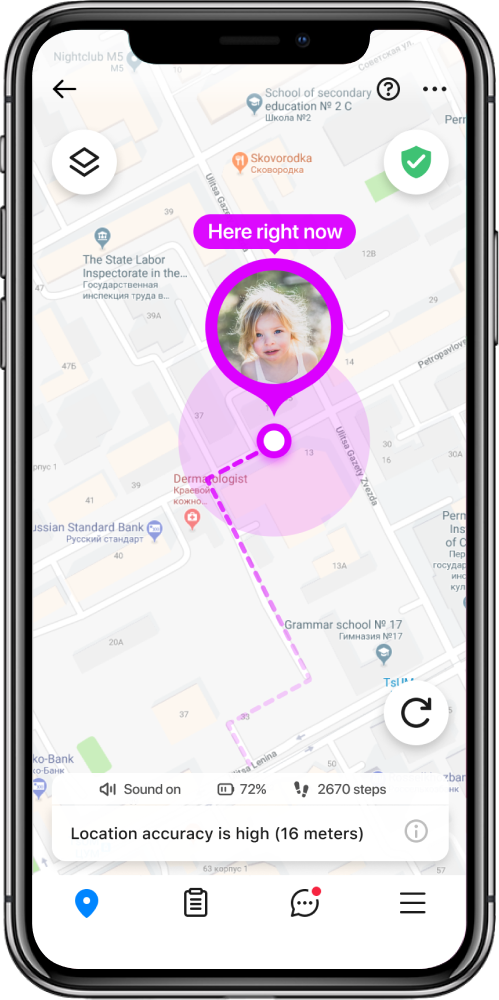
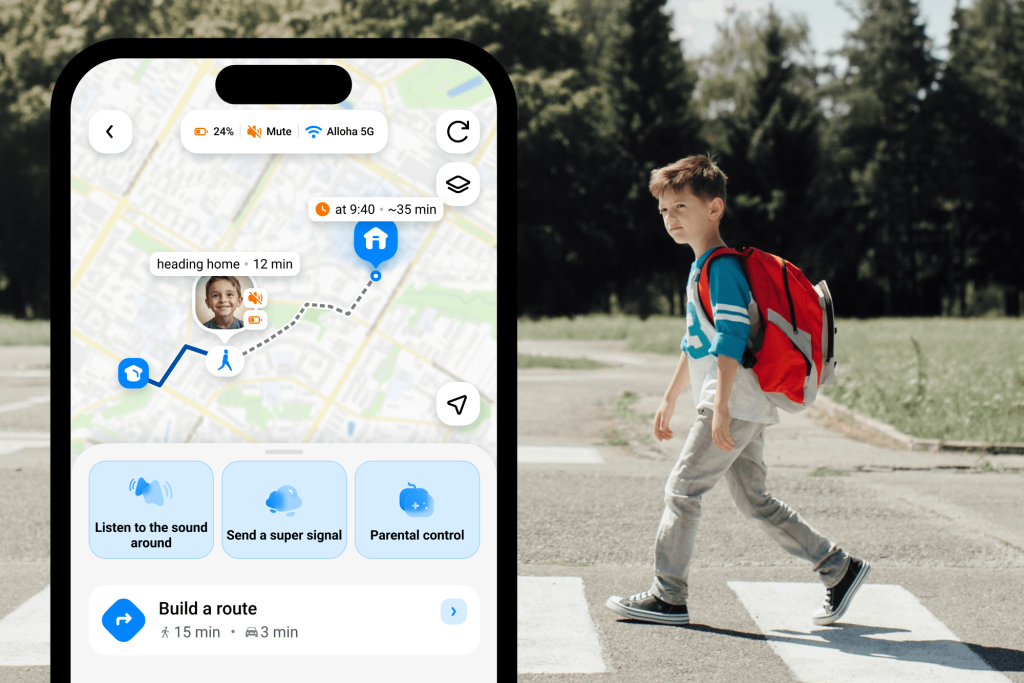
Single parents have a tough job running a household and keeping an eye on their children. The Findmykids app makes it easier and provides valuable peace of mind during single parenthood. This one app shows parents their child’s real-time location, location history, and routes.
That means single parents can know where their child is at all times. This is perfect for those parents who have to go to an office every day and make sure their child gets home from school safely. With the Safe Zone feature, parents can receive alerts when their child arrives or leaves a designated zone, such as school or a relative’s home.
If co-parenting is part of the situation, parents can both keep track of their child with Family Circles. Or, the main caregiver can allow temporary access to the app if the child is visiting the other parent for a weekend. Findmykids is flexible for every family situation.
But this app is more than just keeping track of your child’s physical location. It also comes with parental controls for how they use their phone. With weekly screen time reports, parents can see exactly how much time their child is spending on their phone and which apps they use the most. If that number is too high for their liking, parents can implement screen time limits or remotely lock their child’s device.
To see exactly how Findmykids can reduce your daily stress load and prioritize good parenting, download the app today for free!
Other Practical Tips for Single Parents
Along with the Findmykids app, single parents can also consider the following to provide a more positive experience and impact on their child’s development:
- Create consistent daily routines for meals, homework, and bedtime to help children feel secure and reduce stress.
- Focus on consistency over perfection; children benefit most from reliable love, structure, and emotional support.
- Prioritize quality time, even in small amounts, to strengthen emotional connection and trust.
- Set clear rules and consequences so children know what to expect and feel emotionally safe.
- Encourage open communication and let children express emotions without fear of judgment.
- Avoid speaking negatively about the other parent in front of the child when possible.
- Build a reliable community support network of family, friends, teachers, or trusted caregivers.
- Don’t be afraid to ask for help when you need support with childcare, responsibilities, or emotional stress.
- Teach age-appropriate independence through chores, routines, and simple responsibilities.
- Practice calm, consistent discipline rather than reacting emotionally during stressful moments.
- Create meaningful family traditions like movie nights, shared meals, or bedtime routines to build connection.
- Avoid overcompensating with gifts or overly permissive parenting out of guilt.
- Prioritize your own mental and emotional health, since most children are deeply affected by the home environment. Find single-parent support groups, talk to a mental health professional, and use other resources.
Related: How to Discipline a Child without Shouting, Belt, or Humiliation.
Help Your Child Thrive in a Single-Parent Household
Going through life as a single parent and trying to raise your children is challenging for both you, the parent, and your children. But there are ways that you can shape the family structure to benefit your child. The first step is understanding the effects of single-parent families on children.
And as you navigate this new family structure, make sure to consider adopting the Findmykids app into your parenting plan. This real-time location tracking app gives you more control and peace of mind, always knowing where your children are.
FAQs
What are the main effects of single parenting on children?
The main effects on children of single parenting are low self-esteem, depression, anxiety, and reduced academic performance. However, positive effects can include independence, resilience, and a strong parent-child bond.
Are children of single parents always worse off?
No, children are not always worse off when they have a single parent. In some cases, when the parents are aware and put their child’s well-being first, they can become independent, confident, and resilient.
How can single parents support a child’s mental health?
Creating a stable environment that offers warmth, support, and nonjudgmental conversations can help a child’s mental health. If there are serious behavior problems, then seeking out a mental health professional is necessary support.
Does an absent parent always harm a child?
No, an absent parent does not always harm a child. When a single parent understands the risks and possible negative effects, they can take steps to support their child’s development.
Sources & References
- Child Well-Being in Single-Parent Families, The Annie E. Casey Foundation, 2025
- Examining Family Processes Linked to Adolescent Problem Behaviors in Single-Mother Families, Frontiers, 2022
- Single Parenting: Impact on Child’s Development, Journal of Indian Association for Child and Adolescent Mental Health, SAGE Journals, 2023
- Family Intimacy and Adolescent Peer Relationships, Frontiers, 2023
- Parents or Peers? (In)congruence Effect of Adolescents’ Attachment to Parents and Peers on Self-Esteem, PubMed Central (PMC), 2023
- Understanding How Divorce Can Affect Children, Medical News Today, 2023
- How Divorce Affects Children at Different Developmental Stages, Draper Law Office, 2018
- Single Parents: The Impact on Children, Parents Raising Kids
- The Economic Status of Single Mothers, Center for American Progress, 2024
- The Changing Profile of Unmarried Parents, Pew Research Center, 2018
- Effects of Inter-Parental Conflict on Children’s Social Well-Being and the Mediation Role of Parenting Behavior, Springer Nature Link, 2021
Cover image: Konstantinraketa / Freepik.com
Проверьте электронный ящик