
















Parenting has undeniably changed when compared to previous generations. Some mothers and fathers opt to hover over their children to ensure their safety, while others believe children should have independence from an early age—this is known as free-range parenting.
Parents today have so many parenting styles to choose from, making it important to find one that fits with your family’s values. In this article, we examine what free-range parenting is, the benefits and risks, and how to practice it safely.
Contents:
- What Is Free Range Parenting?
- Characteristics of Free-Range Parenting
- Benefits of Free Range Parenting
- Risks and Criticisms
- Free-Range Parenting vs. Other Styles
- How to Practice Free-Range Parenting Safely
- Balancing Freedom with Safety
- Common Challenges and How to Overcome Them
- FAQs
What Is Free Range Parenting?
Credit: amazon.com
Free-range parenting is a philosophy where parents encourage their children to become independent. They allow their children to engage in age-appropriate activities on their own, such as kids walking to school, taking public transit, or playing outside with little supervision.
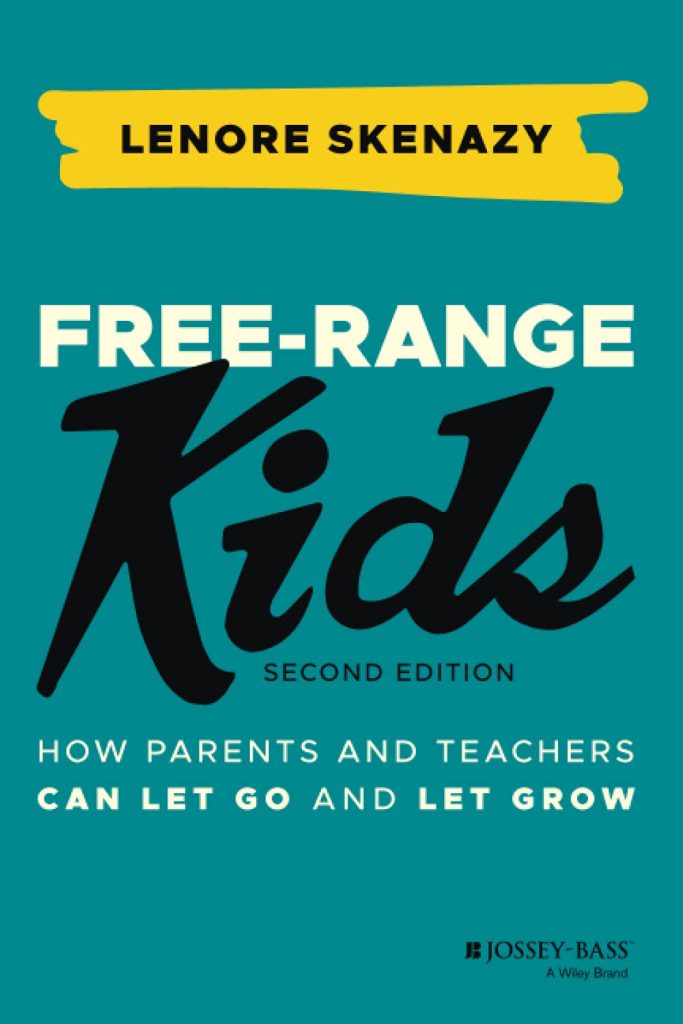
The term “free-range parenting” was first introduced in the mid-2000s. It wasn’t made popular until American journalist Lenore Skenazy wrote about it in her column.
She wrote about allowing her 9-year-old son to ride the subway alone, which drew widespread attention to the controversial parenting decision. In fact, other parents made it a point to refer to Skenazy as “America’s Worst Mom.”
However, this led Skenazy to write her book, Free-Range Kids, and to start a nonprofit called Let Grow. She now advocates for childhood independence and even giving kids legal protections for their freedom from “helicopter parenting” and overbearing families.
The core principles of free-range parenting aren’t just about allowing kids to be more independent. They also involve building trust between parent and child and giving children the opportunity to demonstrate responsibility and maturity.
Free-range parenting doesn’t mean letting kids do whatever they want. It’s about enabling them to engage in age-appropriate activities independently, learn crucial life skills, and grow through experience.
Characteristics of Free-Range Parenting
If you’re new to the idea of free-range parenting, it might seem like “lazy” parenting. But, when done correctly, it provides children with the independence and confidence they need.
Some of the characteristics of free-range parenting include:
- Emphasis on Independence: Encourage children to do things on their own at an age-appropriate pace.
- Trust in Children’s Competence: Parents assume their kids can handle responsibility and everyday risks.
- Low-Supervision, High-Guidance: Parents step back from constant monitoring and allow kids to act independently.
- Natural-Consequences Learning: Children learn from mistakes and experience real-world consequences (within safe limits).
- Age-Appropriate Risk Taking: Children are free to explore, play, and try new things.
- Unstructured, Outdoor Play: Instead of spending time in front of a screen, kids play freely outdoors without schedules or adult-directed activities.
- Gradual Freedom: Children earn more privileges, such as making decisions or running errands, as they prove they are responsible.
- Belief in a Safer World: Parents reject the idea that modern childhood requires constant monitoring or that the world is always dangerous.
Free-range parenting still requires parental attention and guidance. However, it does not involve parents controlling their children’s lives and schedules solely to keep children safe or maintain control.
Benefits of Free Range Parenting
Free-range parenting holds many benefits for both parents and children. Understanding the good that comes from allowing children to gain independence and taking a step back as a parent is the first step in adopting this parenting style.
Builds Independence and Confidence
When parents allow children to make decisions and solve problems on their own, they learn to be independent. And when your child succeeds in problem-solving or realizes that they can do things by themselves, it builds long-lasting confidence.
Encourages Social Skills
As children engage in unstructured play, they develop strong social skills. They can make friends naturally rather than being forced to spend time with other children at play dates.
They learn to build relationships, communicate, and work independently rather than relying on their parents to help them form friendships.
Supports Emotional Well-Being
When parents constantly hover over their children and control what they’re doing, research shows that it can induce anxiety in kids. However, free-range parenting can lower anxiety and promote better self-regulation in children.
Children who choose how they spend their time and have a sense of autonomy learn how to handle emotions. Additionally, they have a chance to experience boredom and find ways to entertain themselves.
Risks and Criticisms
In reality, there is no perfect parenting style. So, before engaging in free-range parenting, it’s important to understand some of the risks and concerns associated with it.
Safety Concerns
It feels like decades ago, the world was a safer place. Many parents have safety concerns for their children, whether it’s being abducted at the park, injuries, or online predators. The good news? Crime has actually fallen over the years.
However, free-range parents may be seen as putting their children in danger. Without constant supervision, there is a risk of injury or children getting into trouble. The reality is that children need to build trust gradually and demonstrate their independence.
Social Pushback
Not all parents will agree on free-range parenting. In fact, there have been some cases where strangers see a child alone and have called Child Protective Services, putting the child’s parents in a complicated situation. At first glance, they may be accused of child neglect, but in reality, they are teaching their children problem-solving and how to make their own decisions.
Despite social pushback, many states, including Utah (the first state to do so), have enacted free-range parenting laws. These laws protect children’s freedom and allow parents to leave children alone as they see fit. Other states are still lacking these types of laws, but the conversation is ongoing.
Unpredictable External Environment
There are unpredictable external dangers that make free-range parenting seem irresponsible or careless. However, it is unhealthy to constantly be afraid of the world. When your child sees their parents constantly afraid, they learn fearful ideas about the outside world as well.
The goal of free-range parents is to help children gain confidence when navigating the real world. Many parents shelter their children too much. But showing them ways to be safe from unpredictable external factors gives them self-confidence and important life skills.
Free-Range Parenting vs. Other Styles
Skyline Graphics / Shutterstock.com
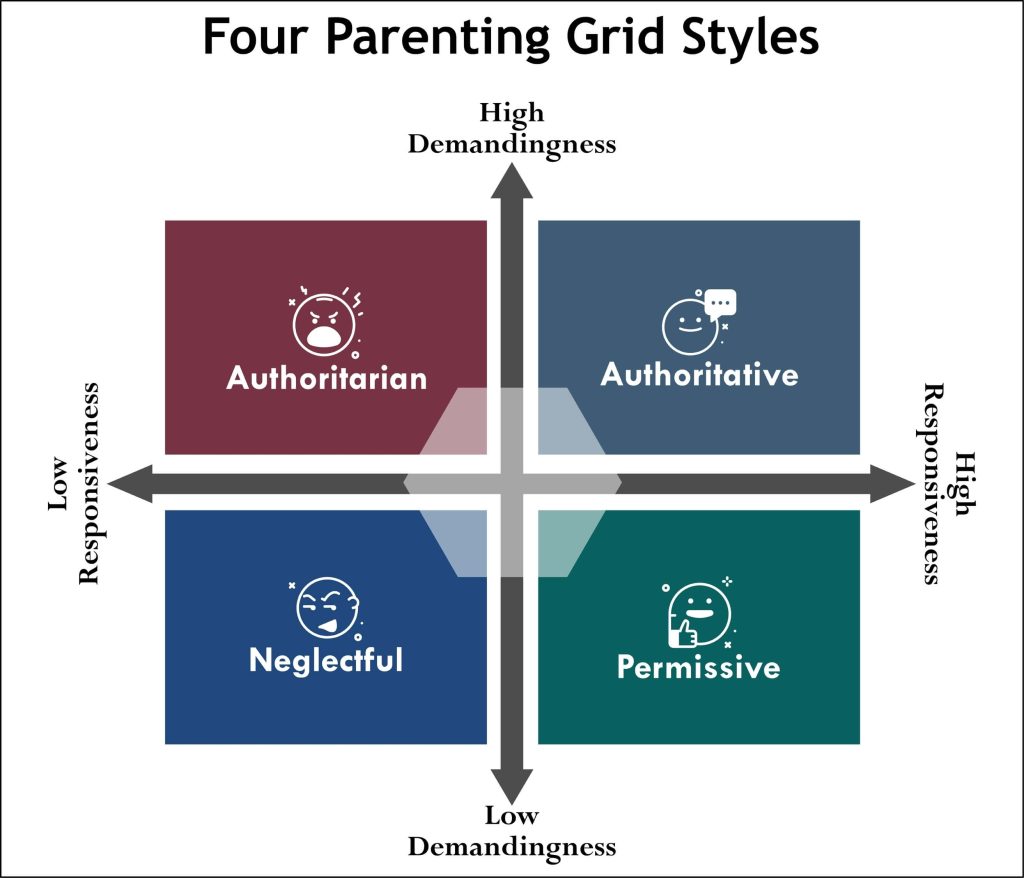
There are different types of parenting styles. Understanding how they compare can help determine which is right for your household.
| Parenting Style | Core Belief | Level of Independence Allowed | Discipline Approach | Role of Parent | View on Risk & Safety |
| Free-Range Parenting | Kids grow best through independence and real-world experience | High-Independence—kids are encouraged to handle age-appropriate tasks alone | Natural consequences; guidance from afar | A mentor who steps back | Risk is part of learning; danger exists, but is manageable |
| Helicopter Parenting | Kids must be protected from harm and failure at all costs | Low Independence—parent remains heavily involved | Often intervenes quickly to prevent mistakes | Constant overseer and problem-solver | Views the world as dangerous that requires close monitoring |
| Authoritative Parenting | Children need structure, warmth, and autonomy | Moderate Independence—freedoms earned gradually | Clear rules and consistent boundaries | Guide with high expectations and emotional support | Balanced to keep kids safe while teaching skills |
| Authoritarian Parenting | Obedience and respect take precedence over emotional expression or independence | Low Independence—kids are expected to follow strict rules | Strict discipline; punishment-heavy | An authority figure who expects compliance | Safety through control |
| Permissive Parenting | Kids should be free to unfold naturally and be happy | Very High Independence—children govern themselves | Few rules or limits; inconsistent follow-through | Friendly “peer-like” parent | Risk is not often discussed or taught |
| Gentle Parenting | Emotional attunement builds security, and behavior follows connection | Moderate Independence—autonomy develops as emotional needs are met | Empathy, co-regulation, reflective discipline | Highly present, nurturing, attuned | Risk is minimized if the child signals discomfort |
How to Practice Free-Range Parenting Safely
Choosing free-range parenting does not mean being absent in your child’s development. Instead, it means teaching them skills, building trust, and gradually giving your child their independence.
Below is a step-by-step guide on how to implement free-range parenting safely:
- Start building important skills in children before allowing them freedom.
- Expand their independence in small, measured steps with tiny freedoms.
- Set clear rules and boundaries for when they are independently exploring.
- Establish a communication or check-in system when they are out alone.
- Examine the child’s maturity level and responsibility before allowing freedoms.
- Teach your child safety techniques without instilling fear of people or the real world.
- Always be emotionally present and talk to your child about their experiences, challenges, and independence.
Free-range parenting should be done on a case-by-case basis, depending on the child’s ability to listen, follow directions, and take responsibility. However, there are certain freedoms you can try at certain ages.
→→→
| Age Range | Example of Age-Appropriate Tasks |
| Toddlers (2-4 years old) |
|
| School-Age Children (5-9 years old) |
|
| Tweens (10-13 years old) |
|
⠀
This parenting style isn’t just about giving younger children independence. It’s about teaching them life skills while gradually allowing them to have more autonomy.
Balancing Freedom with Safety
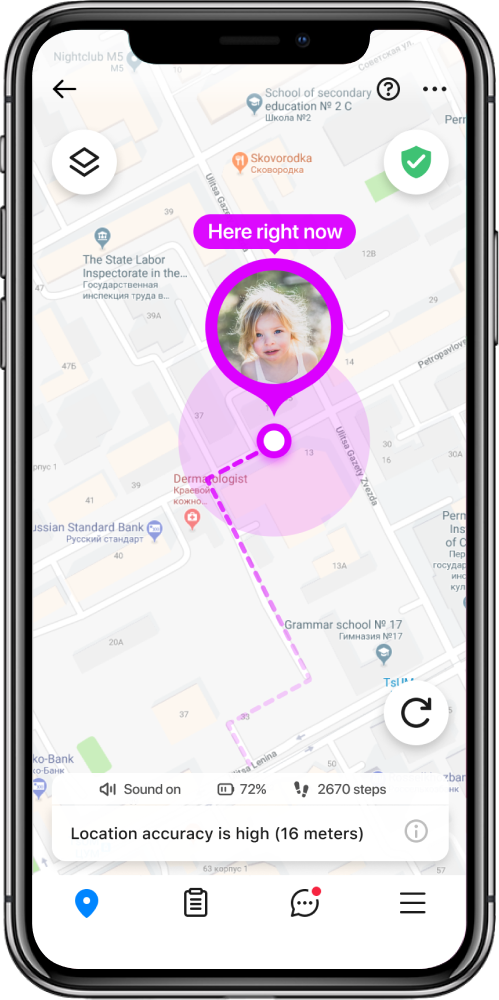
Findmykids app
Giving children freedom as they grow isn’t always the easiest thing for parents—but it’s an important part of growing up. However, that doesn’t mean there aren’t safety measures that parents can take as they embrace free-range parenting.
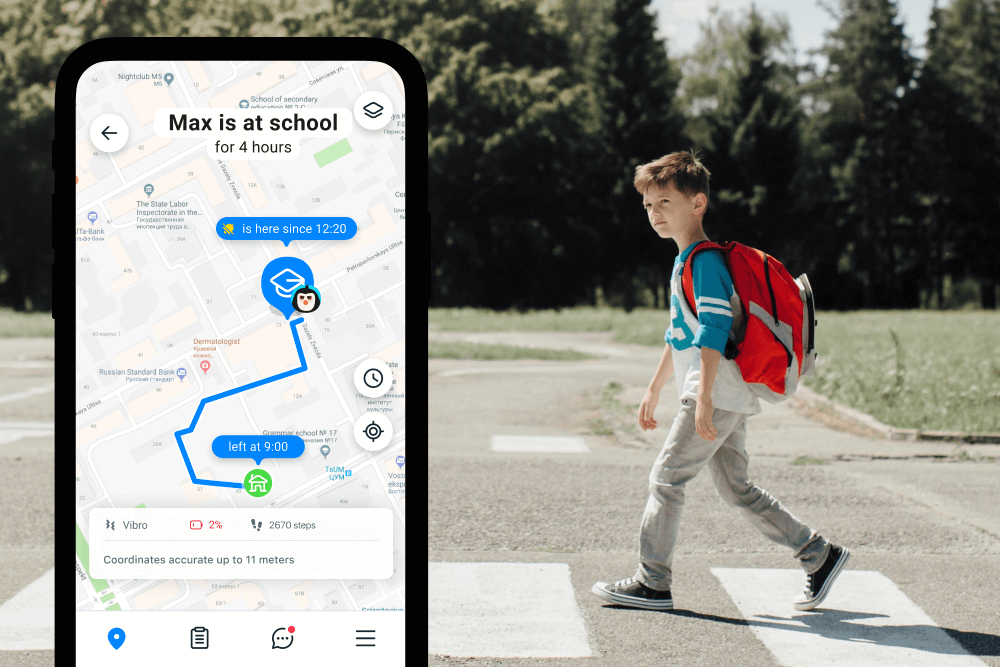
One of the best ways to ensure your child is safe while practicing independence is with the Findmykids app. This app allows you to see your child’s real-time location and receive alerts when they move away from Safe Zones, such as school or a friend’s house.
While free-range parenting promotes kids going out on their own or staying home alone, knowing where they are is comforting and keeps them safe without interfering—try Findmykids now for free and support your child’s independence with confidence!
Common Challenges and How to Overcome Them
Parenting isn’t easy. There are challenges with every parenting style. Below are some of the common challenges with free-range parenting and how you and your child can overcome them.
→→→
| Challenge | How to Overcome It |
| Fear of Safety Risks | Teach children essential safety skills, such as crossing the street or asking adults for help, and practice them before giving them tiny freedoms. |
| Judgment from Other Adults | Speak confidently about your boundaries and back up your belief with data and language. It also helps to build a supportive community of like-minded parents. |
| Children Testing Limits | Use clear systems and set firm rules for them to follow. If they fail to follow the rules, there will be natural consequences. |
| Uneven Maturity Between Siblings | Never compare or shame your children to their siblings. Instead, allow each child to earn their freedoms based on their readiness. |
| Legal Pushback | Understand the local laws, especially Reasonable Independence Laws, to know what freedoms your child can legally have in your state. |
Is Free-Range Parenting Right for Your Household?
Figuring out which parenting style is right for your family isn’t an easy task. However, learning about different types and how they affect children is the first step. Now that you have a better understanding of free-range parenting, you might decide that it aligns with your values and how you want to raise your children.
If you found this article interesting or helpful, make sure to share it with a friend who is also deciding which parenting style is right for them.
FAQs
What is a free-range parenting style?
The free-range parenting approach encourages childhood independence through age-appropriate activities. It allows children to gain confidence through real-world experiences while parents guide them through it.
What are the downsides of free-range parenting?
Some of the downsides of free-range parenting include social pushback, children’s safety, and giving up some control as a parent. However, when done carefully and intentionally, it can be an effective way to teach skills needed to navigate the real world.
What is the most effective parenting style?
The most effective parenting style goes by a case-by-case basis, as every child is different. However, many agree that authoritative parenting is the most effective for children, allowing them to have independence while parents still have some control.
Cover image: pch.vector / Freepik.com
Проверьте электронный ящик