
















So, you’ve installed a parental control app on your child’s device and are ready to get started with keyword blocking to protect your kid from viewing potentially harmful content. But what are some of the most important keywords to block? Keep reading to discover the keywords to block for parental control, how and where to apply keyword filtering, and the limitations to be aware of.
Contents:
Why Blocking Certain Keywords Matters and How it Works

rawpixel.com / Freepik.com
Kids can encounter inappropriate content online in all sorts of ways, including via social media sites, websites, search engines, messaging apps, and even games. This constitutes a real danger, with children potentially viewing violent or explicit content, and that relating to self-harm, gambling, substance abuse, hate speech, and much more. Online bullying is a very real threat, as is identity theft and exposure to extremist ideologies, which can find fertile ground in kids’ developing brains.
Parents are the first line of defence to keep children safe from inappropriate websites and other online platforms, and keyword filtering is one of the main tools in their arsenal. To this end, block keywords to help keep harmful content at arm’s length.
Main Categories of Keywords to Block for a Safer Online Experience
To help protect your child online, it’s useful to block certain keywords. Below are the main categories and examples of words to filter for a safer experience.
Adult Content and Explicit Content
This category includes keywords related to adult content and material, sexual searches, and inappropriate websites. Keywords to block include:
- Porn
- XXX
- Nude
- Webcam sex
- Blue film
- Roleplay adult
- Sex
- Adult videos
- Adult only
- 18+
- Hardcore
- Erotic
- OnlyFans
- PornHub
- Adult anime
- Dominant
- Submissive
- Rape
- BDSM
- Webcam models
- Hentai
- BDSM
- Strip chat
- Escort services
- Live cams
- Topless
- Fetish
- Underwear
- Swimsuits
- Sex chat
- Camgirl
- Pornhub premium
- Erotica
- Adult forum
- Nudity app
Related: Helpful Parents’ Guide: How to Block Porn on Kids’ Devices.
Self-Harm and Dangerous Challenges
The keywords to block to stop kids accessing content relating to self-harm and dangerous challenges (which can often go viral) include:
- Hurt myself
- Self-injury
- Self-mutilation
- Suicide methods
- Cutting
- Depression
- Hopelessness
- Eating disorder tips
- How to starve yourself
- Pro-anorexia
- Drugs
- Pills
- Overdose
- Kill
- Murder
- Unalive
- Sewer slide
- Blithe
- I had pasta tonight (to express when someone is experiencing depressive or suicidal thoughts)
- Dangerous stunts
- Silhouette challenge
- Milk crate challenge
- Skull breaker challenge
- Tide Pod Challenge
- Fire challenge
- Blue whale challenge
- Blackout challenge
- Choking game
- Knife challenge
- Jump challenge
- Daredevil challenge
- R challenge game
- Self-harm trend
- Cinnamon challenge
- Ice bucket extreme
- Swallowing challenge
- Hot pepper dare
- Slap challenge
- Dizzy challenge
- Desk flip challenge
- Stunt challenge
- Extreme prank
- Crush challenge
- Hold breath challenge
- Dangerous TikTok challenges
- Cutting trend
- Bleeding self-harm
- Self-harm tutorial
- Suicide game
- Choking game extreme
Violence, Graphic Content, and Hate Speech
Help keep your children safe online by applying keyword filtering to block the following words and phrases:
- Gore
- Torture
- Murder
- Shooting videos
- Fighting videos
- Guns for sale
- War footage
- Beheading
- Hitman
- Assault
- Terror
- Extreme violence
- Violent games
- Weapon
- Gun
- Dark web videos
- Hate speech forums
- Homophobic
- Anti-semetic
- Discrimination
- White power
- N**ger
- Christian superiority
- Muslim hate
- Jewish hate
- Racist slurs
- Radicalization
- Extremist groups
- Terrorist propaganda
- Massacre video
- School shooting
- Racist chat
- Terrorist chat
- Assault tutorial
Drugs, Substance Use, and Substance Abuse
It’s essential to block access to sites and other online platforms that pose dangers relating to drugs. Here are some of the keywords to use:
- Buy drugs online
- Vape shop
- Alochol
- Smoking
- Narcotics
- Marijuana for sale
- LSD
- Cocaine
- Heroin
- MDMA
- Ecstasy
- Meth
- Weed
- Party
- Get high
- Molly
- Drug dealer
- Lean
- 710 (this is the code used for marijuana concentrates)
- Ketamine
- Crack cocaine
- Psychedelics
- Synthetic drugs
- E-cigarettes
Gambling and Betting
When it comes to online safety, it’s important to add gambling and betting words and phrases to your parental control keywords list:
- Online casino
- Casino
- Online slots
- Betting
- Poker online
- Lottery sites
- Slot machines
- Sports betting
- Free gambling sites
- Roulette online
- Crypto betting
- Pokies
- Sweepstakes
- Get rich quick
- Win big
- Jackpot
Read also: How to Block Gambling Apps on iPhone Before It’s Too Late.
Bullying, Harassment, and Harmful Social Searches

Ruslan Batiuk / Freepik.com
It’s not just inappropriate content linked to violence, drugs, or gambling to contend with. Here are some of the keywords you need to block access to bullying and harassment content, as well as potentially harmful social searches:
- Dumb
- Stupid
- I’ll expose you
- Dick head
- Chopped
- Cyberbullying tactics
- Doxxing
- Harassment tips
- How to troll online
- Threats online
- Exposing classmates
- Shaming online
- Flaming
- Online stalking
Social Media, Forums, and Anonymous Interaction
The online world is full of dangers for kids. Social media sites, forums, and anonymous chat spaces are just a few of the places children may be exposed to inappropriate or dangerous content or find themselves interacting with strangers. To make their digital landscape a little safer, keywords to block include:
- Private chat
- Private chat rooms
- Are you alone
- Don’t tell
- Our secret
- GNOC (stands for Get Naked On Camera)
- Chat with strangers
- Mett adult strangers
- Sexting apps
- Sugardaddy sites
- Chatroulette
- Omegle
- Random video chat
- Stranger meet app
- Adult Discord servers
Bypassing Social Media Blocks or Filters
Kids are tech-savvy, and you might be surprised at just how adept your child is at jumping over any social media blocks or filters you deploy. Consider adding these keywords to your blocklist to make it harder for them to jump digital hurdles:
- VPN free
- Proxy
- Tor browser
- Unblock
- Dark web
- Hide history
- Private history
- Anonymizer
- Proxy server
- VPN app
- Unblock website
- Stealth mode
- Ingognito mode
- VPN settings
- Private browser
- Bypass filter
- DNS changer
- Hide IP
- Unblock social media
- Free VPN
- VPN service
- Unblock TikTok
- Unblock YouTube
- VPN extension
- Anonymous login
- Stealth browser
- Bypass block
- Unblock apps
- VPN download
- Private network
- Internet bypass
- Masked connection
- VPN browser
- Proxy unblocker
- Anonymous VPN
- Hide online activity
- IP changer
Where to Apply Keyword Filtering

meshcube / Freepik.com
There are several different ways to apply keyword filtering.
- For example, you can block keywords at the router level, which means any device linked to your home network will follow the same rules. While fairly simple and effective, it’s not a very flexible approach, as it means a single set of filters will be applied to all users, regardless of the child’s age.
- You could also go down the DNS-based blocking path to stop kids from accessing a site before it even loads. This type of filter is harder to bypass and runs in the background, but customization is typically limited. On shared devices (such as school computers), meanwhile, keyword lists can be helpful to set basic limits without needing to manage existing profiles.
- Many social media apps, messaging platforms, and browsers also offer built-in controls that can filter certain content or keywords. While convenient, these internal settings vary widely in effectiveness and coverage, and may not fully block adult material.
- But the most common way, however, to apply keyword filtering to protect children from adult material is via a reliable parental control app. These popular apps allow parents to apply keyword blocks to a specific device or account, meaning you can set different rules for different children as needed. The best parental control apps also feature tools to promote digital well-being, such as those to manage screen time.
How to Apply Keyword Blocking Via Your Router
To set up keyword blocking on your router is relatively straightforward. Follow these steps:
- Connect your device to the router’s network.
- Open a web browser and input the router’s IP address.
- Next, on the router’s login page, enter your admin credentials.
- In the router settings, navigate to the keyword filtering option. It’s usually found under the parental control or security sections, although the location depends on your router’s model.
- Once you’ve identified the keyword filtering section, add specific keywords to the block list. Make sure each keyword is relevant to the content you wish to block your child from accessing.
- Click save and apply the changes. You may need to reboot the router for the changes to take effect. Once rebooted, the changes will apply, so that any device connected to your network won’t be able to access content containing the keywords you’ve specified.
Limitations of Keyword Blocking

Rawpixel.com/Shutterstock
Knowing the keywords to block is really helpful, but for your kids’ digital safety, it’s vital to be aware of this method’s limitations. Here are some of the issues.
Constantly Changing Slang
The slang used by kids and teens is like a living thing—it’s constantly changing. This means that staying up-to-date on the keywords and phrases that could cause problems is very tricky. Social apps and gaming chat forums help new slang spread like wildfire, and by the time you’ve added a new keyword to your list, they could already be using a different one.
Related: Brain Rot Terms Explained: What It Means and Whether Parents Should Be Concerned.
Images and Videos
While keyword blocking can be effective at preventing kids from accessing inappropriate textual content, images, and videos may get through the defences. Keyword filters are mostly about text, so they might not pick up images, livestreams, short videos, and visual trends.
Loss of Context
Useful, harmless content can end up getting blocked by keyword filters. For example, a blocked word could be used in health information, homework, or something similarly innocuous.
Getting Around the Rules
Once kids know their digital life is subject to keyword filtering, they may try to bypass the rules by switching to a different, unmonitored browser, platform, app, or device. If this happens, it’s much harder—if not impossible—to know what they’re viewing, and how they’re spending their time online.
Keyword Blocking vs Content Filtering
While they may sound like interchangeable terms, keyword blocking and content filtering are distinct ways to manage the online content your child can view. Keyword blocking focuses on specific keywords, blocking access to any websites that contain these words. Meanwhile, content filtering puts sites into categories depending on their purpose or content, and so works by blocking entire groups of websites deemed inappropriate.
| Feature | Keyword Blocking | Content Filtering |
| How it works | Blocks websites containing specific words | Blocks websites by category or type of content |
| Pros | Precise targeting of risky terms | Covers broad categories at once |
| Cons | May miss some harmful content; risk of overblocking | Some inappropriate sites may slip through; less flexible |
| Examples | Blocking “porn”, “drugs” | Blocking adult, gambling, or violence categories |
⠀
Both methods have their pros and cons. For example, keyword blocking can be effective in restricting access to adult or dangerous content, but can result in overblocking or underblocking, while content filtering potentially allows some content or access to slip through the net.
Parental Control Apps: How Findmykids Helps Keep Children Safe from Inappropriate Content

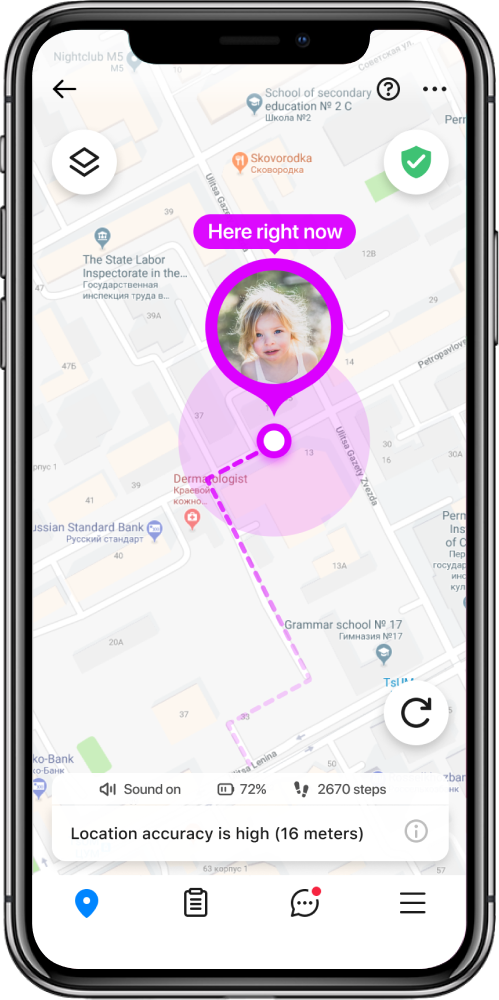
Findmykids app
One of the best ways to protect your kids online is to use a high-quality, reliable parental control app that allows for real-time monitoring and can defend your child against both existing and emerging threats. Findmykids is a great option, with all the tools you need in a single package to help keep your kids safe and give you that all-important parental peace of mind.
With this app, parents can block their children from viewing specific apps or block all apps entirely. They can also apply a permanent block or set a time limit to help things like homework time and bedtime run more smoothly and promote healthy online habits.
The thousands of parents already using Findmykids love how the tool lets them see how much time their children are spending in individual apps, with viewable breakdowns for today, yesterday, and the week. Each app is displayed with its category and age rating, meaning parent can identify usage patterns and spot potential problems early. It’s also a great (and unintrusive) means of assessing whether the apps your kid is accessing are appropriate for their age.
What really makes Findmykids stand out from the crowd is its comprehensive range of additional parental control features that are all designed with a focus on care and building trust and awareness, rather than surveillance. This approach helps nurture kids’ growing independence and self-development, and empowers them to follow positive online habits. The call filter tool allows you to block calls from unknown numbers connecting to your child’s phone, while the call log shows both incoming calls and blocked numbers for visibility and review.
The Loud Signal feature is a game-changer: it lets you send a loud alert to your child’s phone that will sound even if the device is in Do Not Disturb or silent mode. Sound Around allows you to listen to the environment around your child for context, with no recording or storage, and your child receives a notification each time it’s activated.
Crucially, Findmykids’ real-time GPS and Safe Routes features give parents peace of mind about their child’s physical safety. You can see your child’s location, track their routes, and set safe zones, combining digital monitoring with real-world awareness for a more holistic approach to protection.
Take control today: download Findmykids for free to block adult content, monitor app use, and ensure both digital and physical safety for your child!
Online Family Safety: Keyword Blocking’s Role in Protecting Your Kids from Digital Dangers
Protecting our children online should be a top priority for parents. The digital waters are full of dangers, from violent and sexual content to that promoting hate speech, drug use, self-harm, gambling, and more.
Applying a keyword block for parental control can be effective, but it’s only part of the solution to keeping your child from being exposed to inappropriate online content. A reliable parental control app, like Findmykids, is crucial, allowing you to both restrict access to apps, keep your eye on how your child is spending their time online, and help them develop the sort of healthy online habits that’ll benefit them into adulthood.
FAQs

New Africa/Shutterstock.com
What are the most important keywords to block for parental control?
When it comes to parental control, some of the most important keywords to block are those around adult and explicit content, self-harm and dangerous challenges, violence, graphic content, hate speech, drugs, substance use and substance abuse, gambling and betting, bullying, harassment, and harmful social searches, and anonymous interactions.
Can keyword blocking stop inappropriate websites?
Keyword blocking can be a useful element in preventing kids from accessing inappropriate content, but, used alone, it is unlikely to be enough. Ideally, it should be part of an overarching solution that also includes education, monitoring, setting clear boundaries, and using a reliable parental control app.
Should parents block social media keywords?
The decision to block social media keywords is one that can only be made by each individual parent for each individual child. The decision should take into account the child’s age, and parents should talk openly and in an age-appropriate way with their children about the reason for the block.
What are the limits of keyword filtering?
It’s vital that parents understand that keyword filtering has its limits and is unlikely to provide complete protection regarding preventing children from accessing inappropriate content. For example, slang constantly changes, and it may be virtually impossible to stay on top of new words and phrases in time to effectively filter them.
As well as this, filters are usually about analyzing text, rather than videos, images, and livestreams, meaning it’s easy for content to slip through the net. Kids, too, are increasingly tech-savvy and able to find means of circumventing any filters that are applied.
Cover image: Markus Mainka/Shutterstock.com
Проверьте электронный ящик