













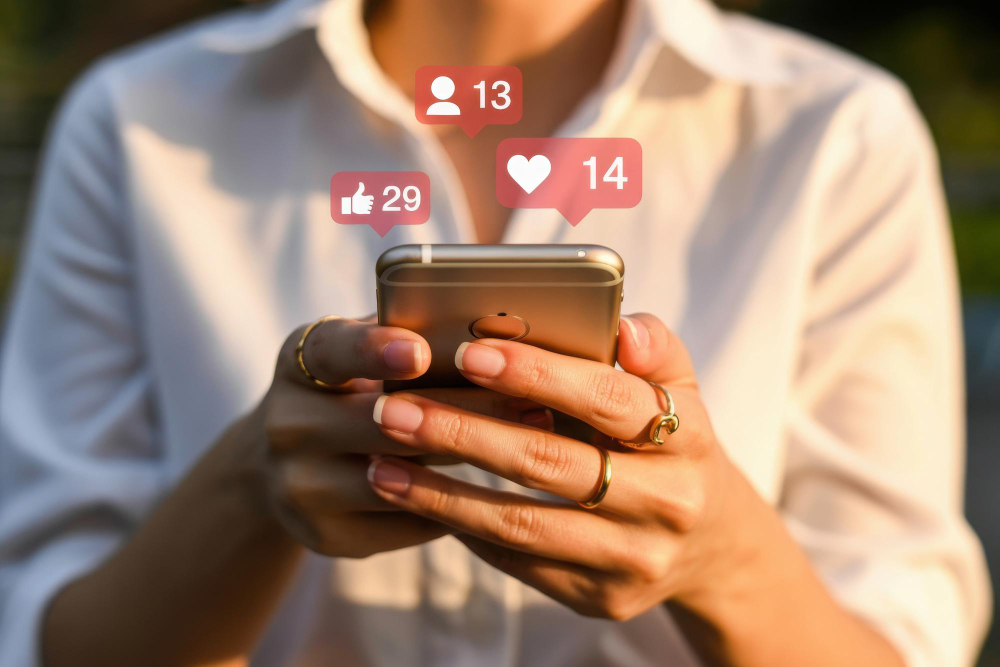
It starts with a simple question: “Can I try this challenge?”
It might be dumping a bucket of ice water over your head, or learning a dance. It could be balancing on a stack of milk crates because everyone at school is posting videos of it.
That’s the tricky thing about viral challenges. Most look harmless at first glance. Some challenges catch on because they’re philanthropic, raising millions of dollars for charity or inspiring creativity. Others send children to the emergency room, damage school property, or leave behind digital footprints that last long after the trend disappears.
As a parent, your challenge isn’t necessarily keeping up with every new hashtag, but knowing how to tell the difference between harmless fun and a trend that’s simply not worth the risk.
Key Takeaways
- Not all viral challenges are dangerous. Many encourage creativity, movement, fundraising, or community participation.
- Kids and teens often join social media challenges because they want to belong, not because they’re trying to make risky choices.
- Learning how viral trends spread can help you recognize warning signs before your child participates.
- Open conversations, healthy digital habits, and tools like the Findmykids app that help you stay connected can reduce risk without making your child feel constantly monitored.
- Teaching kids to stop and think before joining an online trend is one of the best ways to build long-term online safety skills.
Contents:
What Are Viral Challenges?
A viral challenge is a task or activity that spreads quickly across the internet as people record themselves participating and encourage others to do the same. Most begin with a single creator or a small group of users before being shared thousands (or even millions) of times across platforms like TikTok, YouTube, Instagram, and Snapchat.
The formula here is simple:
- Someone posts a video completing a challenge.
- Other people recreate it.
- They tag friends or encourage others to join.
- The platform’s algorithm promotes popular videos to even more users.
- The cycle repeats until the trend fades or is replaced by something new.
Because they’re easy to copy, social media challenges can spread worldwide in just a few days. According to Pew Research Center, nearly half of U.S. teens say they are online almost constantly, and YouTube and TikTok remain among the platforms they use most frequently. That means children often encounter new trends long before adults hear about them.
Are All Social Media Challenges Dangerous?
No. Many online challenges encourage creativity, dancing, fitness, or fundraising. The Ice Bucket Challenge, for example, raised more than $220 million worldwide for ALS research while increasing public awareness of the disease. Other trends simply invite people to learn a dance or share a funny moment with friends.
The problem isn’t social media challenges themselves; it’s that the same algorithms that spread positive trends can also make risky ones go viral. Rather than banning every trend, help your child learn to recognize when an internet challenge crosses the line from fun to unsafe.
Why Do Viral Challenges Spread So Quickly?
If you’ve ever wondered why your child suddenly wants to participate in a trend you’ve never heard of, the answer isn’t just social media. It’s human psychology.
Peer Pressure and Social Proof
People naturally look to others when deciding what’s normal. When hundreds of classmates, creators, or influencers post the same challenge, it begins to feel safe simply because so many other people appear to be doing it.
Researchers call this social proof, and it’s especially powerful during adolescence, when friendships and belonging become increasingly important.
The Desire for Attention and Belonging
Most kids don’t participate because they’re looking for trouble. They’re looking for connection.
A successful challenge offers something many young people crave: attention from friends, likes, comments, and the feeling of being part of a larger community.
Simple Rules Make Challenges Easy to Copy
Most viral trends follow the same pattern: do the activity, record, post, and encourage someone else to participate. Anyone with a smartphone can join within minutes.
Celebrities, Creators, and Algorithms
When celebrities or popular creators join a trend, millions of followers see it almost instantly. Social media algorithms then amplify that momentum by recommending similar videos to anyone who watches, likes, or comments on them.
This taps into a psychological phenomenon known as the mere exposure effect. Simply seeing something over and over makes it feel more familiar, and familiarity can easily be mistaken for safety or normalcy.
Types of Viral Challenges Parents Should Know About
Not all social media challenges deserve the same level of concern. Some encourage creativity, movement, or fundraising. Other forms involve dangerous stunts, property damage, or risky behavior that can lead to serious consequences.
| Challenge | Purpose | Risk Level |
| Ice Bucket Challenge | Fundraising and awareness | Low |
| Mannequin Challenge | Creative group activity | Low |
| Running Man Challenge | Dance | Low |
| Savage Challenge | Dance | Low |
| Renegade Challenge | Dance | Low |
| Cinnamon Challenge | Consuming cinnamon | High |
| One Chip Challenge | Eating an extremely spicy chip | High |
| Milk Crate Challenge | Physical stunt | High |
| Blackout Challenge | Oxygen deprivation | Extreme |
| Chromebook Challenge | School property damage | High |
| Blue Whale Challenge | Online manipulation | High concern |
Positive and Harmless Viral Challenge Examples
Many viral challenges bring people together for positive reasons. They encourage creativity, support charitable causes, or simply give people a fun way to connect online.
Ice Bucket Challenge
The Ice Bucket Challenge is one of the best-known examples of a positive online trend. Participants dumped ice water over their heads, donated to ALS (amyotrophic lateral sclerosis ) research, and nominated others to do the same. The campaign raised more than $220 million worldwide and helped fund important ALS research while dramatically increasing public awareness of the disease.
Mannequin Challenge
The Mannequin Challenge asked participants to freeze in place while someone filmed the scene. Set to Rae Sremmurd’s Black Beatles, the challenge spread through schools, sports teams, businesses, and even government agencies.
Running Man, Savage, and Renegade Challenges
Dance-based trends like the Running Man Challenge (created by Jeremiah Hall), Savage Challenge, and Renegade Challenge encouraged users to learn choreography and share their own videos. While any physical activity carries some risk, these challenges focus on creativity, movement, and having fun rather than dangerous behavior.
What Makes a Positive Challenge?
Positive challenges typically:
- Encourage creativity, movement, or teamwork
- Support fundraising or awareness
- Don’t pressure participants to access unnecessary risks
- Don’t involve breaking rules or harming people
Dangerous Viral Challenge Examples
Not every trend is harmless. Some social media challenges become popular because they’re shocking or risky, encouraging participants to chase views instead of thinking about the consequences.
Cinnamon Challenge
The Cinnamon Challenge involves swallowing a spoonful of ground cinnamon without water. It can cause choking, severe coughing, vomiting, and breathing problems if cinnamon is inhaled into the lungs.
One Chip Challenge
The One Chip Challenge encourages participants to eat an extremely spicy tortilla chip made with concentrated pepper extracts. It has been linked to severe pain, vomiting, and emergency room visits, and the product was discontinued after concerns about its safety.
Milk Crate Challenge
The Milk Crate Challenge asks participants to climb a pyramid of stacked milk crates. Many falls resulted in broken bones, concussions, and other serious injuries, making it one of the clearest examples of how a viral trend can quickly become dangerous.
Blackout Challenge
The Blackout Challenge encourages participants to intentionally cut off their oxygen supply until they lose consciousness. Medical experts and child safety organizations, as the New York Times reported, have linked the trend to multiple deaths and serious injuries.
Blue Whale Challenge
The Blue Whale Challenge gained worldwide attention after reports claimed it encouraged participants to complete increasingly harmful tasks over several weeks.
While later investigations found many of the original stories were exaggerated or unverified, the concern highlighted an important issue: some online communities can manipulate vulnerable young people into engaging in risky behavior.
Chromebook Challenge
@nbcnews TikTok videos like these, which appear to show students attempting to set their Chromebooks on fire by sticking school supplies in them, are going viral. #TikTokChallenge ♬ original sound – nbcnews
Unlike trends that happen at home, the Chromebook Challenge takes place at school. Students insert metal objects into Chromebook charging ports to create sparks, smoke, or fires for social media videos. Besides damaging expensive school property, the trend creates a genuine fire risk and can lead to suspension, disciplinary action, or criminal charges.
Challenges Involving Household Products
Many viral trends involve everyday items that seem harmless until they’re misused. Examples have included eating or inhaling common household products like toilet paper or Tide Pods, misusing medications, or attempting risky cleaning experiments.
Shot-Glass and Body Modification Challenges
Some trends encourage social media users to alter their appearance or tolerate pain for views. Whether it’s using a shot glass to create bruising around the lips, attempting unsafe piercings, or trying other body-modification fads, these challenges can cause lasting injuries or infections long after the video stops getting views.
How to Tell Whether a Viral Challenge Is Dangerous
New trends appear every week. Instead of trying to memorize them all, teach yourself (and your child) how to evaluate a challenge before participating with these questions:
- Could someone get hurt?
- Does it involve choking, electricity, fire, chemicals, or sharp objects?
- Does it encourage breaking school rules or the law?
- Does it require hiding the activity from parents or teachers?
- Is the goal to shock people rather than entertain them?
- Would it still seem like a good idea if nobody were filming it?
If the answer to any of these questions is yes, it’s probably worth skipping.
The Possible Consequences of Viral Challenges
Some trends disappear after a few days. Others leave consequences that last much longer.
Physical Harm
Falls, burns, choking, poisoning, head injuries, and broken bones have all been linked to dangerous online trends. Even challenges that seem relatively harmless can become risky when participants try to outperform one another.
Mental and Emotional Harm
Social media rewards attention, even with dangerous things. When likes, comments, and shares become the goal, some children feel pressure to take bigger risks or copy increasingly extreme videos to stand out.
For teens who already struggle with anxiety, self-esteem, or peer pressure, that cycle can be difficult to break.
Digital Footprint
Deleting a post doesn’t always erase it. Videos can be downloaded, reposted, or screen-recorded by other users, becoming part of your child’s digital footprint. Colleges, employers, and scholarship committees increasingly consider online activity, making it worth thinking carefully before posting anything publicly.
Privacy and Online Safety
Many challenge videos unintentionally reveal personal information, and that matters. School logos, street signs, house numbers, uniforms, or locations can all appear in the background. Teaching children to think about what a video reveals, not just what’s happening in it, is an important part of online safety.
School, Legal, and Financial Consequences
Challenges that involve vandalism, theft, trespassing, or property damage can lead to suspension, fines, or even criminal charges. Parents may also be responsible for paying for damaged school equipment or other property.
Consequences for Other People
A dangerous prank can injure classmates. Damaged school property disrupts learning for everyone. Even a joke shared online can embarrass or bully another student. Before joining any trend, encourage your child to ask one simple question: Who else could be affected by this?
How to Keep Kids Safe From Risky Online Trends
You can’t monitor every video your child watches, and you don’t have to. You just need to stay connected enough so that your child feels comfortable talking to you before trying something risky.
Some habits to adopt:
- Keep conversations about social media judgment-free
- Ask your child to show you interesting trends they’re seeing
- Set age-appropriate privacy settings
- Encourage critical thinking instead of simply saying “don’t do that”
- Help children understand that popularity online isn’t worth risking their safety
- Think of parental controls as conversation starters, not substitutes for trust
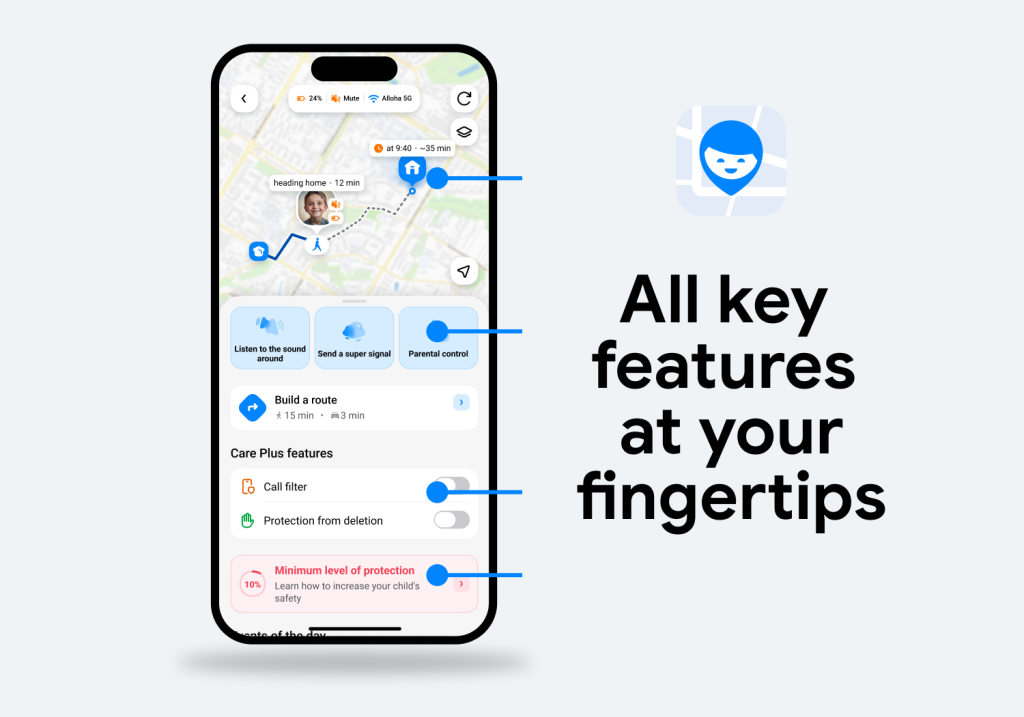
Findmykids
The Findmykids app helps parents stay connected by providing location sharing, driving and movement alerts, and insights into smartphone activity:
- Reports: View daily usage statistics, app activity, popular app categories, and even locations where the phone is used.
- Screen time limits: Set daily limits for the entire device or restrict specific apps.
- Custom schedules: Create screen time schedules for school hours, homework, bedtime, or other important routines.
- App blocking: Block specific apps permanently or limit access to them during certain times.
- New app and website restrictions: Prevent unauthorized app downloads and block access to 18+ websites and inappropriate content.
While no app can prevent every risky decision, having a better understanding of your child’s digital habits can create opportunities to talk about new trends before they become a problem.
Download Findmykids today for free and stay connected with your child’s digital world.
How Parents Can Talk to Kids About Viral Challenges
If your first reaction is “Absolutely not,” your child may simply stop telling you what they’re watching. Instead, stay curious. Try asking:
- “What’s the point of this challenge?”
- “Why do you think people are doing it?”
- “Do you think anyone could get hurt?”
- “Would you still want to try it if nobody could post a video?”
It’s also helpful to remind your child that many viral videos don’t show what happens afterward. A 15-second clip rarely includes the trip to the emergency room, the suspension from school, or the regret that follows a bad decision.
Helping Your Child Look Beyond the Likes
The internet will always have another challenge waiting to go viral.
Some will inspire creativity, bring communities together, or raise money for important causes. Others will ask children to take risks simply because risky videos attract attention.
You don’t have to know every new trend to help your child stay safe. Instead, focus on teaching them how to ask better questions, recognize warning signs, and understand that just because millions of people are doing something doesn’t make it a good idea.
Those lessons won’t just help them deal with today’s viral challenges. They’ll help them make smarter decisions every time they pick up a phone.
FAQs
What are viral challenges on social media?
Viral challenges are activities or tasks that spread quickly across social media as people film themselves participating and encourage others to join in. They can range from harmless dance routines and fundraising campaigns to dangerous stunts that put participants or others at risk.
Why do social media challenges go viral?
Most social media challenges go viral because they’re easy to copy, fun to watch, and encourage participation. Algorithms on platforms like TikTok, YouTube, and Instagram amplify popular content, while likes, comments, and shares motivate more people to create their own versions.
Are all TikTok challenges dangerous?
No. Many TikTok video challenges are harmless and focus on dancing, comedy, creativity, or raising awareness for a good cause.
How can parents tell whether an online challenge is dangerous?
Look for red flags such as activities involving choking, fire, electricity, chemicals, risky stunts, property damage, or pressure to hide the activity from adults.
What are some examples of dangerous online challenges?
Some well-known examples include the Cinnamon Challenge, One Chip Challenge, Milk Crate Challenge, Blackout Challenge, and the Chromebook Challenge.
What should I do if my child attempts a dangerous challenge?
Stay calm and focus on understanding what happened rather than immediately punishing your child. If they’ve been injured, seek medical attention right away. Then talk about why the challenge was risky, what influenced their decision, and how they can handle similar situations differently in the future.
How do I know what trends my child follows?
The easiest way is to make conversations about social media a regular part of everyday life. Findmykids can also help you stay connected and better understand your child’s digital habits while creating opportunities to talk about online safety.
Sources & References
- Teens, Social Media, and AI Chatbots 2025, Pew Research Center, 2025
- Nearly half of US teens are online ‘constantly,’ Pew reports, AP News, 2024
- The ALS Ice Bucket Challenge: How it Started, The ALS Association, 2026
- The gentle science of persuasion, part three: Social proof, Arizona State University, 2007
- Mere-exposure effect, EBSCO, 2020
- Dangerous Social Media ‘Blackout Challenge’ Can Cause Brain Damage, Death in Less Than 5 Minutes, Healthline, 2024
- The Viral Blackout Challenge is Killing Young People. Courts Are Finally Taking it Seriously, New York Times, 2024
- Blue Whale: What is the truth behind an online ‘suicide challenge’? BBC News, 2019
Cover image: Designermdsani705 / magnific.com
Проверьте электронный ящик