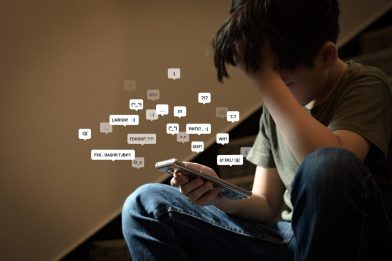
















Cyberbullying prevention starts with awareness, communication, and the right tools. As children spend more time online using social media, gaming, and messaging apps, parents play a critical role in protecting their safety and mental health.
Contents:
What Cyberbullying Is (and What It Isn’t)
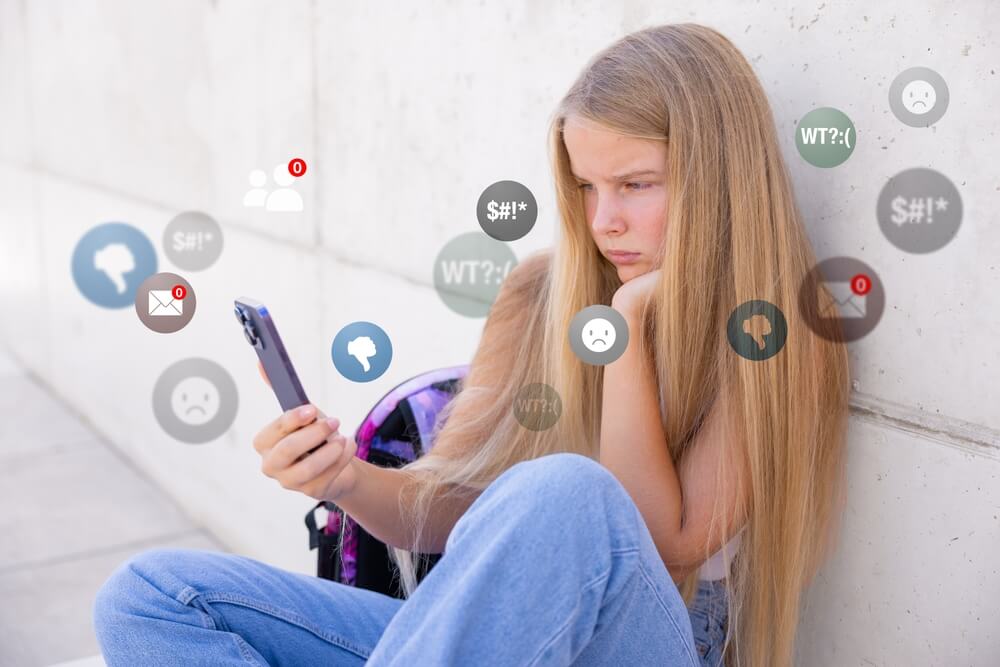
Kaspars Grinvalds/Shutterstock.com
Cyberbullying is a form of bullying that happens online through digital platforms such as social media, messaging apps, gaming chats, and school communication systems. It involves repeated harmful messages, harassment, threats, or humiliation using electronic devices like cell phones, tablets, and computers.
Common examples include:
- Sending abusive content or hurtful messages repeatedly
- Posting embarrassing photos without permission
- Sharing private information publicly
- Creating fake social media accounts to impersonate someone
- Posting negative comments intended to humiliate
Cyberbullying differs from one-time arguments or isolated mean comments. A single rude message is not necessarily bullying, but repeated behaviour, power imbalance, and intent to harm a person are key warning signs.
Online Bullying vs Conflict vs Mean Comments
Daisy Daisy/Shutterstock.com
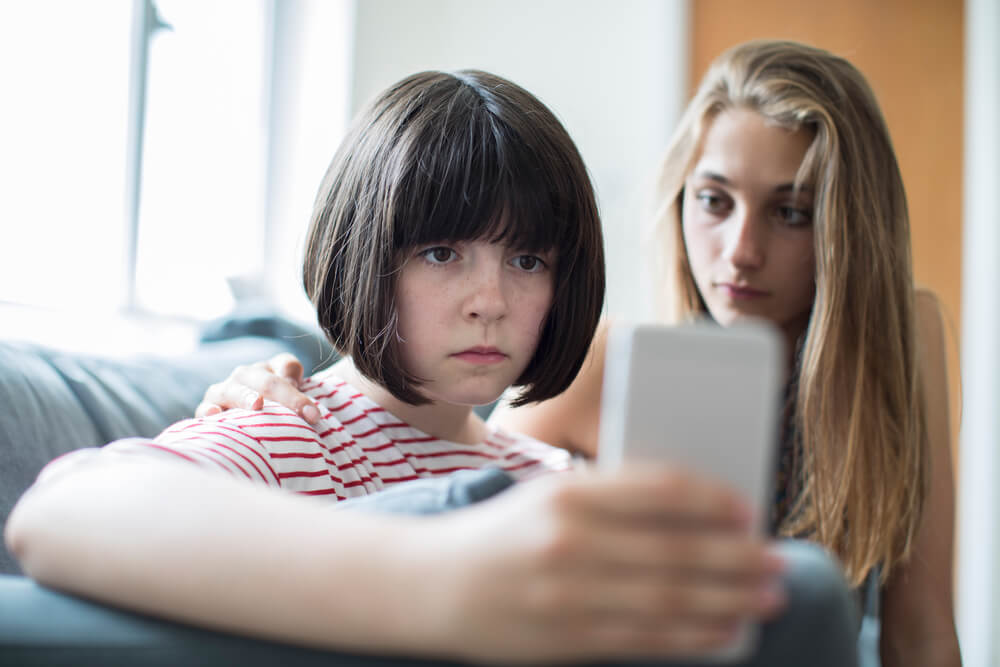
Cyberbullying is one of the most extreme forms of online conflict. Understanding how it differs from other negative exchanges helps parents respond appropriately and avoid overreacting or underreacting.
Conflict (Disagreement Between Equals)
What it looks like:
- Two friends argue in a group chat about weekend plans.
- A teen posts, “That was unfair,” after a gaming dispute.
- Someone responds defensively in direct messages during a misunderstanding.
Key characteristics:
- Usually short-term
- Both children participate
- No clear power imbalance
- Can often be resolved with a conversation
Conflict is normal in friendships and social situations. It may need guidance, but it is not necessarily bullying.
Related: From Clicks to Conflict: Examples of Rage Bait and How to Spot Them.
Mean Comments (Isolated Incidents)
What it looks like:
- “That outfit looks weird.”
- “You’re bad at this game.”
- A sarcastic reply under a social media post.
Key characteristics:
- Hurtful but not repeated
- No sustained targeting
- Often impulsive behaviour
Mean comments are unkind and should be addressed, but one isolated remark does not automatically equal cyberbullying.
Cyberbullying (Repeated Harmful Behaviour)
What it looks like:
- Repeatedly sending hurtful messages over days or weeks.
- Creating fake social media accounts to mock a person.
- Sharing embarrassing screenshots with multiple students.
- Coordinated group chats excluding or attacking one person.
- Posting ongoing negative comments to humiliate a child.
Key characteristics:
- Repetition
- Power imbalance (social status, group targeting, anonymity)
- Intent to harm
- Emotional, social, or psychological impact
Cyberbullying is not a single bad moment; it is a pattern of behaviour designed to cause distress.
Where Cyberbullying Happens Most

Tero Vesalainen/Shutterstock.com
Cyberbullying happens across multiple social media platforms and digital platforms that children use daily.
Common channels include:
- Social media platforms like Instagram, Snapchat, and TikTok
- Direct messages and private chats
- Gaming platforms and multiplayer chat systems
- Group chats and text messages
- School learning portals
Because modern technology allows instant communication, harmful messages can spread quickly and reach many people.
The Role of Social Media in Cyberbullying
Unlike traditional bullying, online interactions don’t stay in one place. A single post, photo, or comment can be shared, reposted, or screenshotted within seconds, sometimes reaching hundreds of people before a child knows it’s happening.
Even if a hurtful post is deleted, screenshots may continue to circulate. Social media platforms are designed to promote what it recognises as engaging content, so controversial or emotional posts with likes and comments can quickly spread.
The perceived anonymity of online spaces can also change how people behave. Distance and group pressure can lower empathy and make it easier to send harmful messages that might never be said face-to-face. For children and teens whose social media accounts are central to friendships and school life, this can make cyberbullying feel overwhelming and hard to escape.
In recent US news, the Associated Press has reported on lawsuits involving Facebook’s parent company, Meta, where families and school districts have raised concerns about how certain platform features may contribute to repeated online targeting and mental health challenges.
For parents, the takeaway isn’t fear—it’s awareness. Understanding how social media can amplify behaviour helps families guide children toward safer, healthier online experiences.
Mental Health Impact of Cyberbullying
Kiwistocks / Freepik.com
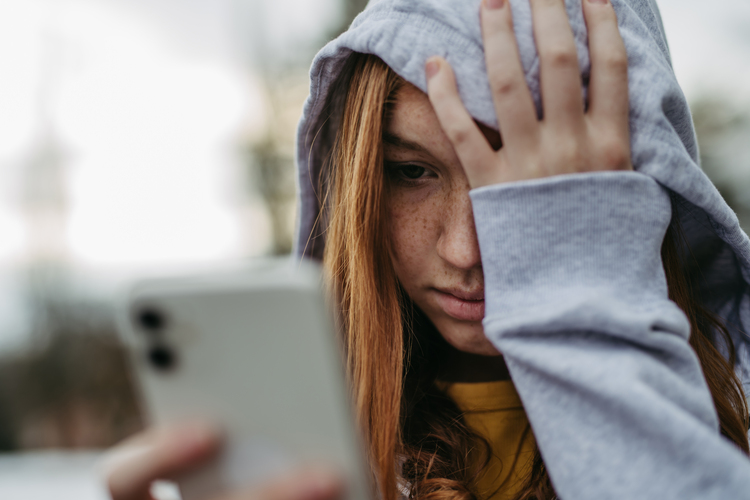
Cyberbullying doesn’t just hurt feelings; it can affect children’s emotional well-being. Research shows that cyberbullying is strongly associated with depression, anxiety, and emotional distress, as well as other mental health issues, in children and adolescents.
Other research highlights the broader emotional toll of online harassment. Victims often report feelings of sadness, fear, isolation, and lowered self-esteem, outcomes linked with both cyberbullying and traditional bullying. These emotional responses can interfere with daily life, social engagement, and school performance, and may persist long after the incidents themselves.
Importantly, the intensity and permanence of digital interactions, where harmful content can be shared widely and revisited, can make online bullying especially damaging. Studies have found that victims of cyberbullying are more likely to demonstrate depressive symptoms in adolescence.
according to a 2022 study by JAMA Network Open, young students who experienced cyberbullying were more than four times as likely to report thoughts of suicide and attempts as those who didn’t.
These findings confirm why early support, open communication, and strategies intended to prevent cyberbullying aren’t just beneficial; they’re essential to protecting children’s mental health in an increasingly connected world.
Read more: Effects of Cyberbullying: Recognize, Help, Stop.
Why Cyberbullying Prevention Works
Taking deliberate steps to prevent cyberbullying strengthens three key areas simultaneously: reducing risk, improving response, and building resilience. When parents, schools, and children act proactively, cyberbullying is not only less likely to occur but also less damaging if it does happen.
| Risk Factors | Protective Measures |
| Unsupervised social media use | Open parent–child communication |
| Anonymous or fake online accounts | Clear family rules for digital platforms |
| Poor privacy settings | Strong privacy & safety settings |
| Fear of reporting incidents | Confidence in reporting tools and knowing trusted adults will act |
| Impulsive posting during emotional responses | “Pause skills” before posting or replying |
| Peer pressure in group chats | Active involvement of trusted adults and mentors |
| School disconnected from online life | Integration of internet safety lessons and digital citizenship programs |
⠀
Children who feel supported by parents, teachers, and friends are less vulnerable to ongoing bullying.
Practical Cyberbullying Prevention Strategies

New Africa/Shutterstock.com
Cyberbullying prevention is not just about blocking apps or monitoring devices. It’s about teaching children tips about how to behave responsibly online.
Create Family Rules for Social Media Accounts
Children thrive with predictable structure, especially online. Agreeing together on expectations for social media accounts and daily internet use helps rules feel collaborative rather than imposed. Discuss which apps are allowed, how to respond to negative messages, and what to share online. Framing rules as a conversation encourages children to take ownership of their digital behaviour while maintaining safety.
Family Social Media Safety Checklist
Use this checklist to review and set up accounts together:
- Keep accounts private and review privacy settings regularly
- Only accept followers or friends known in real life
- Protect personal information — avoid sharing full names, addresses, school details, phone numbers, or location data
- Enable reporting and blocking tools and make sure children know how to use them
- Limit contact from strangers by adjusting messaging and comment settings
- Review social media profiles together — bio, profile photos, posts, and tagged content
- Agree on password-sharing rules for safety purposes, if needed
- Discuss how to handle harmful or uncomfortable messages and report them immediately
- Keep apps and device settings up to date to maintain security
- Monitor together and talk often about new apps, trends, and online experiences
By setting family rules together and reviewing accounts regularly, parents can combine safety with empowerment—helping children navigate social media responsibly while keeping lines of communication open for support and guidance.
Related: Social Media Privacy Settings: What to Change First — and Why It Matters.
Use Monitoring Tools
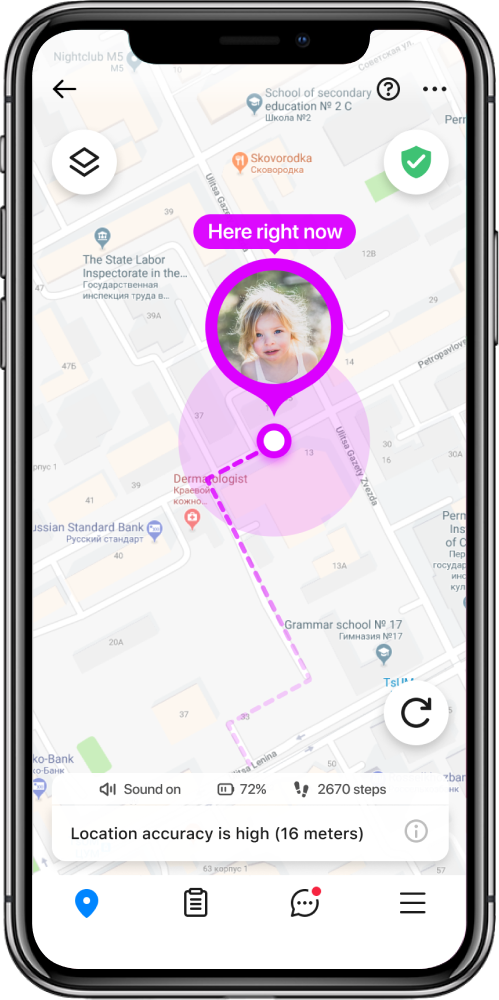
The Findmykids app
Modern technology makes supervision easier without turning parenting into surveillance. The goal isn’t to read every message—it’s to notice patterns early and step in before small problems grow into something bigger.
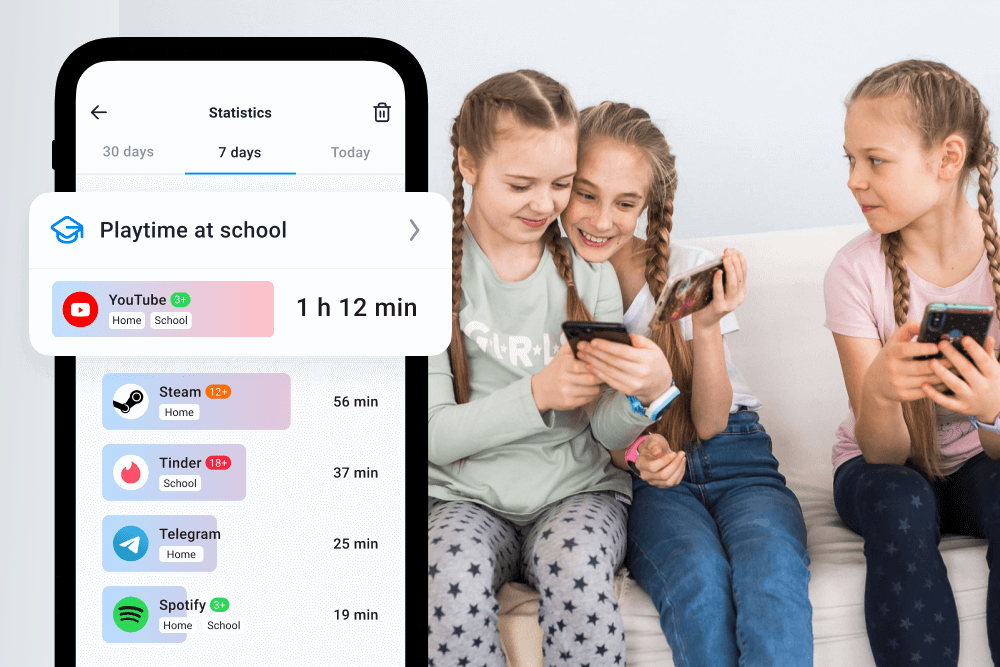
Apps such as Findmykids can support cyberbullying prevention by combining digital awareness with real-world safety. It helps parents:
See App Usage Patterns
Understand which apps your child spends the most time on—especially messaging or social media platforms—without reading private conversations. A sudden spike in usage or late-night scrolling can signal stress or online conflict.
Manage Screen Time
Set limits on app usage to prevent excessive time on platforms where cyberbullying may occur. Healthy boundaries around screen time can reduce emotional overload.
Track Location in Real Time
Know where your child is throughout the day and receive notifications when they arrive at or leave designated safety zones (such as school or home). Feeling secure offline reduces overall anxiety during difficult social situations.
Use Sound Around (When Necessary)
In situations where you’re seriously concerned about your child’s safety, this feature allows you to briefly listen to the surrounding environment of the child’s device. It’s intended for safety-related situations and works best when discussed openly within the family.
Monitoring tools work best when they’re part of an honest conversation. Let your child know why you’re using them: not to control, but to protect and support.
If you want a way to stay informed about your child’s digital habits while also ensuring their real-world safety, Findmykids can help you combine awareness, prevention, and open communication!
Teach Digital Citizenship
Digital citizenship means helping children use technology responsibly, safely, and respectfully. For parents, it’s about guiding kids to understand that their actions online have real-world consequences.
Teaching digital citizenship involves showing children how to recognise bullying behaviour, pause before reacting, protect private information, and report harmful messages.
| Action | Effect |
| Pause | Stepping away before replying to harmful messages or negative comments. Strong emotional responses are normal, but responding in anger often escalates bullying behaviour. |
| Protect | Securing evidence and safety—take screenshots, adjust privacy settings, block the person if needed, and avoid sharing private information. |
| Report | Using built-in tools on social media platforms and telling trusted adults early. Reporting is not overreacting; it prevents patterns from growing. This simple framework turns panic into action and reduces long-term harm. |
⠀
Pause. Protect. Report. empowers children to make thoughtful choices on social media platforms, avoid escalating conflicts, support friends who may be targeted, and navigate online spaces with confidence and awareness of their responsibilities as digital participants.
Children who are taught digital citizenship skills are more likely to:
- Speak up when they see online bullying
- Seek support if they are experiencing cyberbullying
- Avoid escalating social situations
- Show empathy in digital conversations
These skills strengthen both prevention and resilience. Modern technology allows bullying to happen quickly and publicly. Digital citizenship slows that cycle down.
Build Emotional Safety at Home
Cyberbullying prevention also depends on how safe children feel talking to adults. Many children don’t report online bullying because they fear losing device privileges or getting into trouble.
Make it clear that:
- They will not be punished for asking for help
- Mistakes online are learning opportunities
- You are on their side, not just monitoring their behaviour
Regular, low-pressure conversations about online life—not only when something goes wrong—build trust. When children know they can talk openly, problems are addressed earlier and with less emotional damage.
How to Talk Without Blame

BearFotos/Shutterstock.com
Children don’t need long lectures; they need brief, consistent conversations that happen regularly. They need to feel that their parents are attentive, calm, and ready to support them if anything happens online, helping them understand risks, make safe choices, and feel secure while exploring the digital world.
For example, this five-minute script is designed to help parents start that conversation without blame, fear, or overreaction. It focuses on awareness, clear expectations, and emotional safety.
Minute 1: Set the Tone (“I’m on Your Team”)
Start with safety, not suspicion.
“I want to talk about how things can happen online. Not because you’ve done anything wrong, I just want to make sure you’re safe. I’m on your team.”
This lowers defensiveness and builds trust, which is essential for cyberbullying prevention.
Minute 2: Define the Line
Help them understand the difference between conflict and cyberbullying.
“Sometimes friends argue. That’s normal. But cyberbullying is when someone repeatedly sends hurtful messages, posts harmful comments, or tries to embarrass someone on social media or in group chats.”
You can add:
“If someone feels scared, targeted, or they’re feeling ashamed, that’s not just them being oversensitive or dramatic. That’s a problem.”
This builds awareness and emotional recognition.
Minute 3: Teach the 3 Pause Skills
Explain Pause. Protect. Report.
- Pause: “If someone sends a mean message, don’t reply right away. Take a breath. Screenshots last forever.”
- Protect: “Save evidence. Don’t delete it. Block if needed.”
- Report: “Use the report tools on social media platforms, and tell me, or another trusted adult.” This reduces impulsive behaviour and escalation.
Minute 4: Set Family Expectations for Online Accounts
Keep it simple and collaborative.
“In our family, we don’t post private information. We don’t forward embarrassing screenshots. And we don’t join in when someone is being targeted.”
You can also say:
“If something feels wrong online, I’d rather know early so I can help.”
This creates shared responsibility instead of control.
Minute 5: End with Support
Offer reassurance.
“If you’re ever experiencing cyberbullying, you won’t be in trouble. My job is to protect you, not take everything away.”
That final sentence matters. Many children stay silent because they fear losing their cell phones or social media access.
Cyberbullying Prevention Strategies for Kids and Teens

vitalii_petrushenko / Freepik.com
Children and teens are on the front lines of cyberbullying prevention. Encouraging social awareness and empathy helps students recognise hurtful messages and intervene safely.
Students can support friends by reporting incidents, blocking abusive content, and discouraging group “pile-ons” online.
Teachers also need to encourage teens to pause before responding, protect private information, and model positive digital citizenship, which reinforces healthy behaviour across social media platforms.
Student-led initiatives, such as online safety clubs or mentorship programs, empower young people to become active bystanders, creating a culture where online bullying is noticed early, addressed promptly, and less likely to escalate.
The Role of Schools in Cyberbullying Prevention
Schools play a crucial role in protecting children from cyberbullying by fostering safe digital environments and teaching responsible online behaviour. Educators can incorporate digital citizenship lessons, highlight internet safety, and model respectful communication.
Policies that define and address bullying behaviour help ensure early intervention, while clear reporting systems encourage students to share concerns without fear.
Teachers and administrators can monitor social media accounts, group chats, and online platforms used for learning, providing guidance when harmful messages or hurtful comments arise.
Collaboration with parents and mental health professionals strengthens support networks and reinforces consistent cyberbullying prevention strategies across home and school.
What to Do if Your Child Is Experiencing Cyberbullying
Discovering that your child is being cyberbullied can be distressing, but staying calm and proactive is critical.
- The first step is to listen without judgment. Allow your child to explain what happened in their own words and acknowledge their feelings, fear, shame, or anger are natural emotional responses.
- Avoid reacting with panic, punishment, or anger, as this may discourage them from sharing future issues.
- Next, collect evidence. Screenshots of harmful messages, negative comments, or abusive social media posts are essential for reporting and resolving the situation. Encourage your child not to delete messages immediately, as these records can support investigations by school authorities, social media platforms, or law enforcement.
- Report and block the bully using the built-in platform tools. Most social media platforms, gaming apps, and messaging services have reporting systems for abusive content. Inform the school if the bully is a peer, sharing evidence and context so they can intervene effectively.
- Additionally, protect your child’s emotional and mental well-being. Offer reassurance, monitor stress levels, and seek professional support if behavioural changes appear.
Helping Your Child Stay Safe and Confident Online
Cyberbullying is a complex issue, but parents, educators, and children can work together to reduce risks and build resilience. Awareness, open communication, and consistent support are the foundation of effective cyberbullying prevention.
Teaching children digital citizenship, including safe social media practices, responsible sharing, and recognising harmful messages, empowers them to navigate online spaces confidently.
Technology is not the enemy; it’s a tool that, when used wisely, helps parents and schools monitor, educate, and protect. Apps like Findmykids provide visibility into device activity, social media platforms, and location patterns, giving parents a proactive way to detect risks early without undermining trust.
Cyberbullying prevention is about creating a culture of safety, empathy, and accountability. By combining education, practical strategies, and supportive tools, families can ensure children enjoy the benefits of digital life while minimising harm, fostering confident, safe, and socially aware digital citizens.
FAQs
What is cyberbullying prevention, and what actually works?
Cyberbullying prevention involves education, monitoring, communication, and teaching digital citizenship. The most effective strategies include open conversations, privacy protection, and early intervention.
How can parents stop cyberbullying without spying?
Encourage open communication, set clear rules, and use tools like Findmykids for awareness rather than surveillance. Focus on support, not punishment.
What should a teen do if they get hurtful messages in direct messages?
They should:
- Stop responding
- Save evidence
- Block the sender
- Report the account
- Tell trusted adults
When should parents involve the school?
Contact the school if cyberbullying involves students, affects school life, or includes threats. Provide screenshots and evidence when reporting.
References
- Social media companies face legal reckoning over mental health harms to children, Barbara Ortutay. Associated Press, 2026
- Bullying in the digital age: A critical review and meta-analysis of cyberbullying research among youth, Kowalski, R. M., Giumetti, G. W., Schroeder, A. N., & Lattanner, M. R. APA PsycArticles, 2014
- Cyberbullying and its impact on young people’s emotional health and well-being,Helen Cowie. The Psychiatrist, 2018
- Cyberbullying Victimization and Adolescent Depression: The Mediating Role of Psychological Security and the Moderating Role of Growth Mindset, Gengfeng Niu, Jing He, Shanyan Lin, Xiaojun Sun and Claudio Longobardi. International Journal of Environmental research and Public Health, 2020
- Association of Cyberbullying Experiences and Perpetration With Suicidality in Early Adolescence, Shay Arnon, Anat Brunstein Klomek, Elina Visoki, et al. JAMA Network Open, 2022
- Online Abuse Guidance. NSPCC
- 2025 Cyberbullying Data, Justin W. Patching. Cyberbullying Research Centre, 2025
- Children and Parents: Media Use and Attitudes Report, Ofcom, 2022
- Bullying and online experiences among children in England and Wales: year ending March 2023, Office for National Statistics, 2024
- Prevalence of online bullying, Anti-Bullying Alliance
Cover image: Ruslan Batiuk / Freepik.com
Проверьте электронный ящик