
















As parents, you want to see your child succeed and avoid failure at all costs. But when you clear your child’s path to help them avoid conflict or failure, this is known as snowplow parenting—one of the many new types of parenting in this generation.
In this article, we will explore what snowplow parenting is, the pros and cons, how to tell if you’re a snowplow parent, and how to change it.
Contents:
- What Is Snowplow Parenting?
- Why Is the Trend Occurring Now?
- Snowplow vs Other Parenting Styles
- Effects on Children
- How to Recognize If You’re a Snowplow Parent
- Strategies to Reduce Snowplow Parenting
- FAQs
What Is Snowplow Parenting?

Summit Art Creations/Shutterstock.com
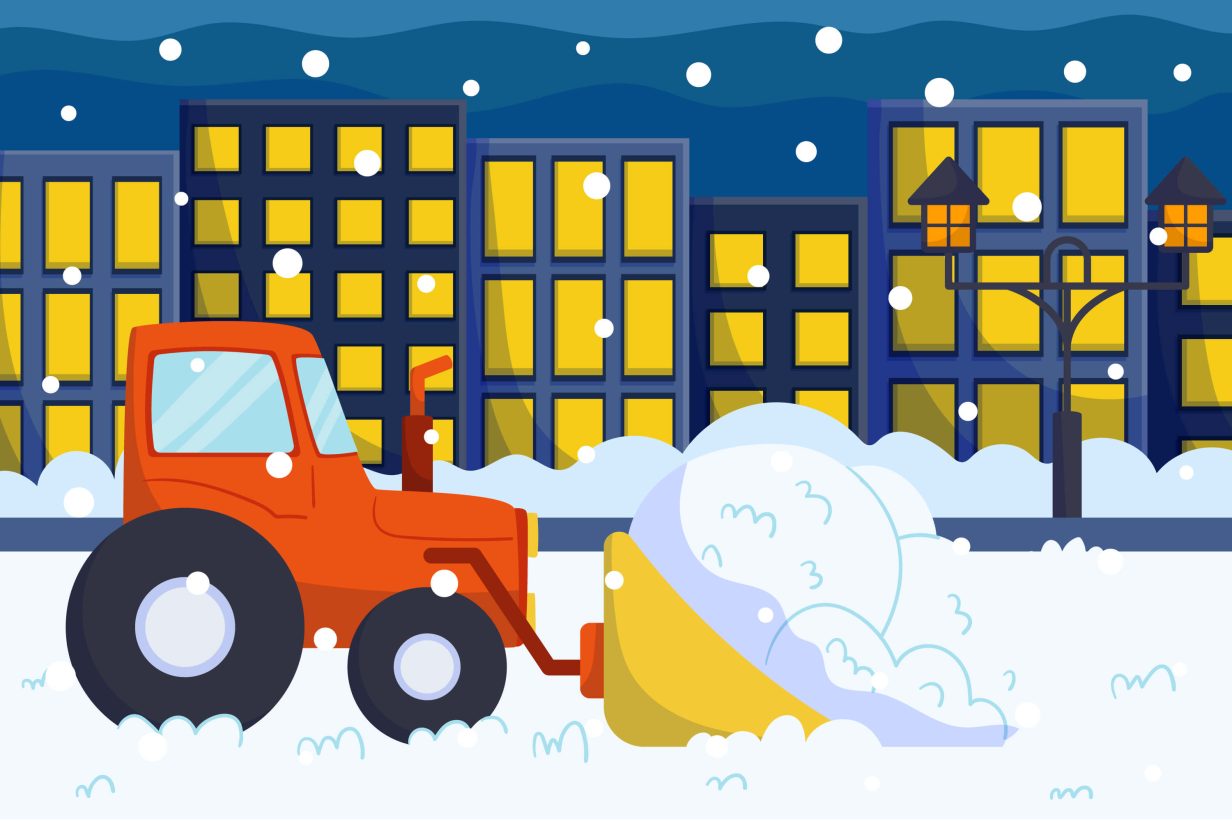
Snowplow parenting (also referred to as bulldozer parenting or lawn mower parenting) is a parenting style in which the snowplow parent removes challenging situations or obstacles from their children’s paths.
The term comes from the idea of removing obstacles, such as a snowplow clearing snow from the road. Instead of allowing their children to solve problems on their own, parents will take over and remove any obstacles or resolve any conflicts on their behalf.
Snowplow parenting became more widely known and used after the 2019 college admissions scandal, in which affluent parents took extreme measures to secure places for their children at universities.
The snowplow parenting style is often associated with helicopter parenting, where parents are overly involved and hover over their children. In fact, most people view it as a more extreme version of helicopter parenting.
The key identifiers of a snowplow parent include:
- Clearing challenges for children to avoid conflict or failure
- Excessively involved and doing things for children that they can do themselves
- Actions come from love, but often have a questionable outcome on the child’s development
Overall, snowplow parenting is when parents allow their anxieties about their children’s success to take over, resulting in them interfering and making success easier.
Why Is the Trend Occurring Now?
At the core of snowplow parenting is a self-conscious parent who relies on their children to succeed and achieve milestones faster than or alongside their peers.
With so many social media influencers and users sharing their children’s achievements, other parents can feel as if their children aren’t keeping up. This leads them to “plow the way” to success.
An extreme example of snowplow parenting is the 2019 college admissions scandal, which brought the parenting style to the forefront. Wealthy parents (including some celebrities) bribed universities to secure their children’s admission, rather than have them accepted based on their grades and eligibility.
However, snowplow parenting is also a reflection of the broader cultural anxieties and expectations of childhood. Social comparisons and media pressures influence parents to push their children to succeed, while helping them—a bit too much—along the way.
Snowplow vs Other Parenting Styles
Skyline Graphics / Shutterstock.com
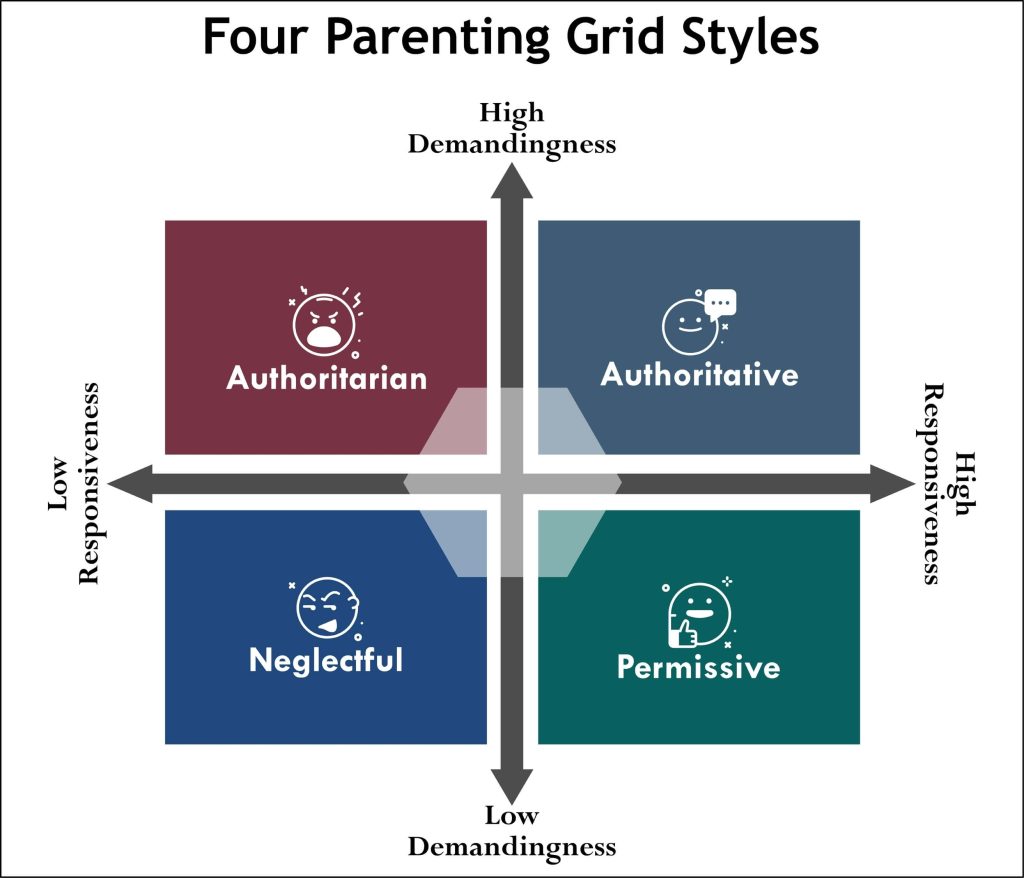
Nowadays, parents have many options for parenting styles to implement in their households. Below is a comparison of snowplow parenting and other popular parenting styles.
→→→
| Parenting Style | Core Behavior | Parent Role | View of Failure or Struggles | Typical Examples |
| Snowplow Parenting | Removes obstacles before the child encounters them | “I’ll clear the road so you never struggle.” | Failure should be prevented at all costs | Emailing the child’s teachers to change grades |
| Helicopter Parenting | Hovers closely and monitors everything | “I’ll watch everything and intervene if needed.” | Failure is scary and should be minimized | Constant texting and check-ins or intervening with peer conflicts |
| Authoritarian Parenting | High control and low warmth | “You obey because I said so.” | Failure is unacceptable and often punished | Strict rules with no discussion, punishments for mistakes, and limited emotional support |
| Authoritative Parenting | High warmth and high boundaries | “I support you, but you’ll do it yourself.” | Failure is a learning tool | Encouraging the child to speak to the teachers themselves |
| Permissive Parenting | Few rules or boundaries, high leniency | “Do what feels right—I don’t want to upset you.” | Failure isn’t discussed or guided | No consistent bedtime and little follow-through on consequences |
| Free-Range Parenting | Encourages independence early and allows risks | “You can figure it out. I trust you.” | Failure builds capacity | Allowing kids to walk to school and manage chores or schedules alone |
Related: What Are the 4 Types of Parenting Styles and Which One is Right for You?
Effects on Children
Snowplow parenting comes from a place of love and the desire to protect children from failure and conflict. As with any parenting style, there are pros and cons to consider in terms of the long-term effects on your child.
→→→
| Pros | Cons |
| Shows that parents are involved, attentive, and love their children | Can prevent children from developing resilience and coping skills |
| Children feel supported, safe, and protected | A child may avoid or fear failure because they rarely experience it |
| Parents often catch problems early on and can reduce immediate stress for children | Can create dependence on parents to solve problems rather than building independence, resulting in poor problem-solving skills as adult children |
| May improve short-term outcomes, such as grades, activities, and social life | Sets unrealistic expectations that the child’s life will always be easy |
| Can strengthen parent-child closeness in the moment | Increases anxiety in children as they feel they must meet parental expectations or can’t handle things on their own |
| Helps children avoid extreme or harmful risk situations | Interferes with learning natural consequences and self-advocacy |
Snowplow parenting may feel effective in the short term, but it has long-term effects on children of all ages as they develop coping skills for their adult lives. Children who grow up in families with snowplow parents often have difficulty with self-efficacy and lack a sense of independence.
When parents constantly come to the rescue to solve their child’s problems, the child does not understand the process of hard work when it comes to being successful. They also become fearful of failure, unable to cope with it, or avoid tasks they aren’t sure how to deal with, such as in class or at a job.
Ultimately, snowplow parenting takes away the child’s ability to build essential problem-solving skills, such as listening and talking with others, to solve conflicts.
How to Recognize If You’re a Snowplow Parent
Are you worried that you’re a snowplow parent? Below is a checklist of common things a snowplow parent does:
- I often step in to solve problems for my child before they know the problem exists.
- I make phone calls, send emails, or intervene on my child’s behalf without giving them a chance to try first.
- I do tasks for my child that they are capable of doing themselves.
- I feel uncomfortable or anxious watching my child struggle and immediately want to fix it.
- I prevent my child from experiencing disappointment, sadness, discomfort, frustration, or embarrassment when possible.
- My child expects me to handle conflicts and responsibilities for them.
- I take responsibility for my child’s grades, achievements, and social success.
- My child often doesn’t know how to solve small problems on their own because I usually handle them.
If you check most of the boxes, you may be a snowplow parent. Don’t worry, there are ways to fix it!
Strategies to Reduce Snowplow Parenting
If you realize you are a bit of a snowplow parent, there are ways to change and transition to allow your child to become more independent.
- Switch to coaching instead of fixing: Rather than clearing the obstacle, guide your child through it so they learn how to solve it for themselves.
- Create low-stakes struggle practice: Intentionally allow your child to face manageable challenges to help build resilience.
- Narrate effort instead of controlling outcomes: Shift away from preventing your child’s failure and instead reward effort and problem-solving.
- Let natural consequences do some teaching: If the situation is safe, allow small, real-world outcomes to happen—being late, redoing a task, or missing a turn. These moments help kids understand responsibility without shame or fear.
- Encourage age-appropriate responsibility: Give children meaningful roles—packing their own backpack, managing homework reminders, or speaking to a teacher themselves—while staying nearby for support if needed.
- Pause before stepping in: When a problem appears, take a breath and ask yourself: “Is my child capable of handling this with a little guidance?” Often, a short pause creates space for independence to emerge.
- Model how to handle mistakes: Talk openly about your own challenges and how you work through them. This helps children see that setbacks are normal—and survivable.
These small changes can help your child build the independence, confidence, and problem-solving skills they need.
Using Technology Wisely to Support Independence
Findmykids app
Moving away from snowplow parenting behaviors can be difficult for many parents. However, with helpful tools and resources, the transition can become much easier.
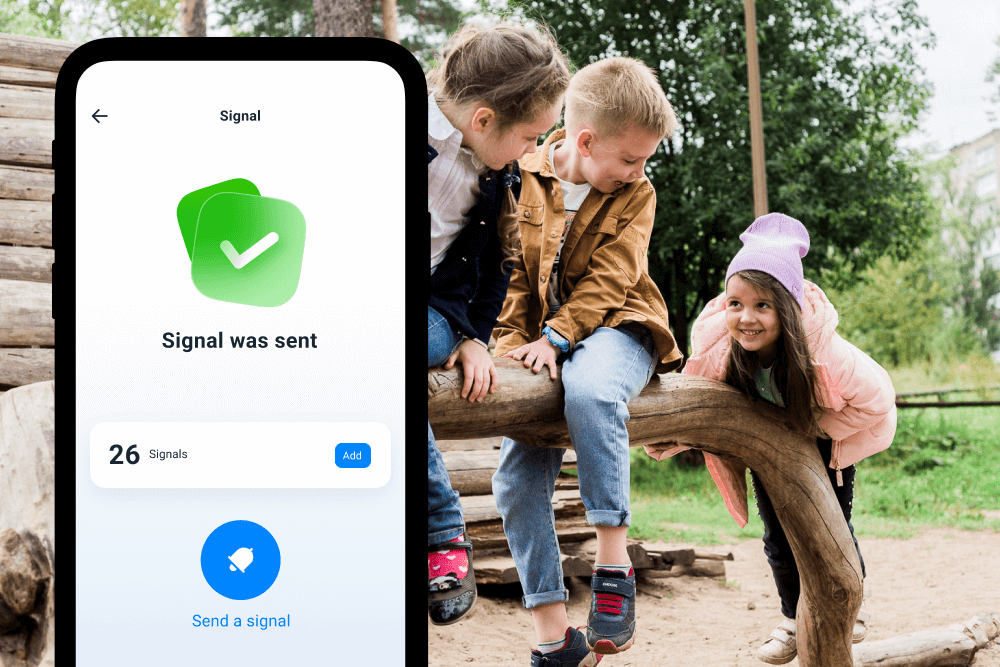
When transitioning to a parenting style that gives children more freedom and teaches independence, parents choose the Findmykids app. This all-in-one parental control app lets parents view their children’s real-time location, set screen time controls on devices, and contact them even when the phone is on silent.
Having this kind of tech support gives parents peace of mind while still maintaining protective boundaries for their children—try Findmykids now and see how it can support your family on the path toward greater independence!
Step Back from Snowplow Parenting and Watch Your Children Thrive
It’s completely normal to want our children to succeed in everything they do. But failure is an important part of growing up that fosters crucial life skills. While it’s tempting to remove all obstacles to your child’s success, taking a step back and allowing them to learn from conflict and failure is crucial to their development.
If you found this article helpful or have a snowplow parent friend, share it to help them explore good parenting skills and learn how to support their child’s growth and thrive.
FAQs
What is snowplowing parenting?
Snowplow parenting is when parents are overly involved in making life “easy” for their children by removing obstacles or solving problems before the child even knows about them.
What is the difference between a snowplow parent and a helicopter parent?
Both are considered to be overinvolved parenting styles. A snowplow parent wants to make life simple for their children and prevent them from failing by intervening in their lives. Helicopter parents hover over or constantly check in on their children; it’s more about micromanaging them than paving a path to success.
What are the 4 parenting styles?
The four main parenting styles are: authoritative, authoritarian, permissive, and uninvolved or neglectful.
What are the cons of snowplow parenting?
The cons of snowplow parenting on children include:
- Rely on parents as adults
- Lack of self-confidence to do things on their own
- Fear or anxiety about failure, preventing them from trying new things
- Underdeveloped social skills in adulthood
Cover image: freepik / Freepik.com
Проверьте электронный ящик