
















Digital devices like smartphones and tablets have become staples in our everyday lives, and they have also infiltrated our young children’s lives. This new generation of young kids is the first to be so exposed to technology and touchscreens that many parents don’t fully understand its impact. One of the most noticeable effects can be tech tantrums.
А national study of parents of 2- to 5-year-olds found almost 30% of children showed persistent requests for screen media, often accompanied by whining, crying, or attempts to take the device.
If you’ve never experienced a tech tantrum yourself, you’ve probably seen it happen while out or with friends who have children. The moment they take a device away from their child, they start to throw a fit with yelling and crying. These tech tantrums are becoming more common in children, and parents are often unsure how to manage them without cutting their children off from technology altogether in an increasingly digital world.
In this article, you will learn about what tech tantrums are, why they happen, how to handle them, and tools to ease screens away from your young ones.
Key Takeaways
- Tech tantrums are emotional outbursts that occur when children must stop using a device. They are especially common among younger kids who are still developing impulse control, emotional regulation, and transition skills.
- Highly engaging games and videos, unexpected transitions, hunger, fatigue, and using screens as rewards can make these tantrums more likely.
- Parents can prevent tech tantrums by creating predictable routines, giving advance warnings, stopping at natural endpoints, and preparing an appealing screen-free activity.
- During an outburst, stay calm, acknowledge the child’s feelings, maintain established limits, and wait until they settle before discussing what happened.
- Findmykids can help parents make healthy screen-time routines easier to maintain with tools such as screen-time limits, schedules, app usage insights, while also supporting children’s safety beyond the screen.
Contents:
What Are Tech Tantrums?
Tech tantrums are emotional outbursts that happen when a digital device is taken away from a child or when they are asked to stop using it. These intense meltdowns can be extremely disruptive, and it can be difficult to calm the child down without giving the device back to them. These tantrums are especially common in younger children who cannot yet regulate their emotions.
What a Screen Time Tantrum Can Look Like
After taking a smartphone or tablet away from a child or asking them to turn it off, a tech tantrum can look like:
- Crying, whining, or screaming when screen time ends
- Arguing or repeatedly asking for more time
- Refusing to turn off or hand over the device
- Ignoring instructions or hiding the device
- Throwing, hitting, or damaging objects
- Kicking, hitting, or becoming physically aggressive
- Dropping to the floor or running away
- Becoming upset when the internet or an app stops working
Why Do Screen Time Tantrums Happen?
There isn’t one single reason why screen time tantrums happen in young people. It could be one or a combination of the following factors.
Difficulty with Transitions
When playing video games or watching videos, kids can become deeply absorbed in their screen time activities, making it difficult for them to stop scrolling and shift their attention. One study found that children had a harder time stopping their device use in the middle of a video or game than at the end. (It’s not just with kids, either! Adults also struggle with this sometimes.)
Highly Engaging Digital Content
Аpps like social media and online games are designed to be fast-paced, rewarding, and exciting to boost our dopamine signals. Games especially are designed to work with your child’s brain chemistry with the use of sound effects, music, and engaging animations to make them feel good and want more. Kids feel rewarded each time they pass a level or scroll on to the next video in their feed. This highly engaging content is hard to stop, kind of like slot machines in a casino.
Lack of Predictability
Kids love having routines. In fact, routines can actually help kids’ mental health because they make them feel safe and they know exactly what to expect. If parents take away a child’s device at random times of the day, kids can grow anxious because they weren’t expecting it. Therefore, they may feel big emotions and throw a tech tantrum.
Fatigue and Hunger
Sometimes a tech tantrum doesn’t have to do with taking the screen away at all. In some cases, children might experience emotional outbursts simply because they are tired or hungry.
Research has found that toddlers who did not get adequate sleep had a 31% increase in negative responses. Hunger is also a common trigger for tantrums in young kids.
Screen Time Becomes a Reward
Аllowing kids to play on their digital devices and spend time online is often seen as a reward for good behavior. However, 55% of parents use screen time as a bargaining chip to get children to listen. This can become problematic in the relationship between kids and their screens. Becoming dependent on a screen as a reward system can limit how children cope with their emotions.
Lack of Another Attractive Activity
Asking your child to turn off their entertaining game or video to move on to a less thrilling activity can trigger a tech tantrum. Whether that activity is getting ready for school or going to bed, the non-exciting activity can feel dreadful and boring to the child.
Read more: Bored Kid? 53 Activities That Will Keep Kids Busy And Happy.
Age and Developmental Stage
Toddlers and preschoolers have a delicate developmental stage where they are still forming impulse control, flexible attention, and the ability to calm themselves and regulate their emotions. The most important years are between 2 and 5 for this type of development. Because these skills are still developing at this age, younger children may have more difficulty handling transitions away from screens.
Related: How to Deal with the ‘Terrible Twos’ and Temper Tantrums?
Are Tech Tantrums a Sign of Screen Addiction?
Tech tantrums in young kids are not necessarily a sign of screen addiction. Instead, they may reflect difficulties with emotional regulation, impulse control, or transitions that are still developing. That said, when your child has persistent and intense screen time tantrums, it could signal a larger behavioral issue that needs to be addressed.
Want to learn more? Read our guide to the signs of screen addiction in children and the early warning signs parents should look out for.
What to Do During a Tech Tantrum

NadyaEugene / Shutterstock.com
Handling a tech tantrum requires patience, strategy, and focus. Below are some brief guidelines on what to do (and not do) if a child starts throwing a tech tantrum.
Do’s of a Tech Tantrum
In the throes of a tech tantrum, parents should do the following:
- Stay calm and speak in a quiet, steady voice
- Keep the screen time boundary in place rather than negotiating
- Acknowledge the child’s feelings without giving the device back
- Instruct your child to take a few deep breaths to calm down
- Use simple language and avoid lengthy explanations
- Move the device out of sight
- Give the child space to calm down while remaining nearby
- Prevent hitting, throwing, or other unsafe behavior
- Offer a calming option, such as a hug, water, or quiet space
- Discuss what happened only after the child is calm
Read more: How to Stop Your Kid’s Tantrums.
Don’ts of a Tech Tantrum
To help your child calm down during a tech tantrum, here are some things you should not do:
- Yell, shame, threaten, or mock your child
- Immediately return the device to stop the tantrum
- Negotiate screen time rules during the outburst
- Give lengthy explanations while the child is overwhelmed
- Introduce new punishments in the heat of the moment
- Argue about whether the child should feel upset
- Physically restrain the child unless necessary to prevent immediate harm
- Allow hitting, kicking, or throwing
- Compare the child with siblings or other children
- Force an apology or discussion before the child is calm
How to Prevent Screen Time Tantrums
When parents realize they have to take their child’s device away, they mentally prepare to deal with the tech tantrum that follows. But what if there were ways to bypass that tantrum altogether?
Below are effective methods to prevent screen time tantrums and power struggles in kids and build healthier digital habits.
Make Screen Time Predictable
Remember, kids love routines and feel safe with them. When you work screen time into your child’s daily routine, it feels more predictable, so the child can expect when it’s time to turn their screen off.
A great way to do this is with parental control apps with screen time limit features like Findmykids. Allowing your child to play on apps or watch videos on a screen for a limited time and during certain hours can prevent tech tantrums. With Findmykids, you can schedule daily screen limits to start automatically based on your child’s schedule. No manual screen shut-off required.
To help you get a sense of how much screen time your child should have per day, review the recommendations below:
- Under 2 years:No screen time except for video calls with family members or friends.
- 2 to 5 years: 1 hour of high-quality, educational content viewed with a parent.
- 6 to 10 years: 2 hours of playing games or scrolling, excluding schoolwork.
For older children and teens, the idea is to spend less than three hours a day using their devices. This becomes easier when screen time limits are implemented during early childhood.
Recommended Screen Time for Kids: How Much Is Healthy by Age.
Give Transition Warnings
Verbally letting your child know that the time to turn off their device is approaching can help prevent tech tantrums. This gives the child some time to finish what they are doing and get into the mindset of transitioning into another activity. It sets their expectations instead of shutting their device off randomly.
Teach Children How to Handle Big Emotions Without a Screen
Both children and adults rely on screens as distractions from their emotions. The endless video feeds and games numb uncomfortable feelings and instead provide quick spikes in dopamine in the brain. While this feels good in the moment, it prevents your child from learning how to self-soothe and deal with their emotions.
Instead of handing over a screen to calm a child down who is angry or frustrated, it’s important for parents to teach them how to handle these emotions. The best way to do that is to teach your child how to recognize and name their feelings. Then work with them to calm down with methods like slow breathing, counting, getting a drink of water, or holding onto a plush toy.
Avoid Using Screens as the Only Reward
When parents only use screen time to reward their children for good behavior or completing tasks, it puts a lot of value and importance on screens. That’s why balancing it with other rewards, such as extra playtime outside, choosing a meal, one-on-one time with a parent, or playing a game, is so important.
Rewarding kids with screen-free activities can help them feel less disappointed when it’s time to turn off their device. They understand that there are other activities that are fun and fulfilling that they can do, and screen time is not the only way to feel entertained.
Plan What Happens After Screen Time
Having an activity already planned for your child after they turn off their screen helps them transition from one activity to the next. Letting your child know what the next activity is—whether that is getting ready for bed, having dinner with the family, or playing outside—sets their expectations. When paired with transition warnings, such as a 10- and then 5-minute warning, children may avoid a tech tantrum.
Can Parents Use Parental Controls for Tech Tantrums?
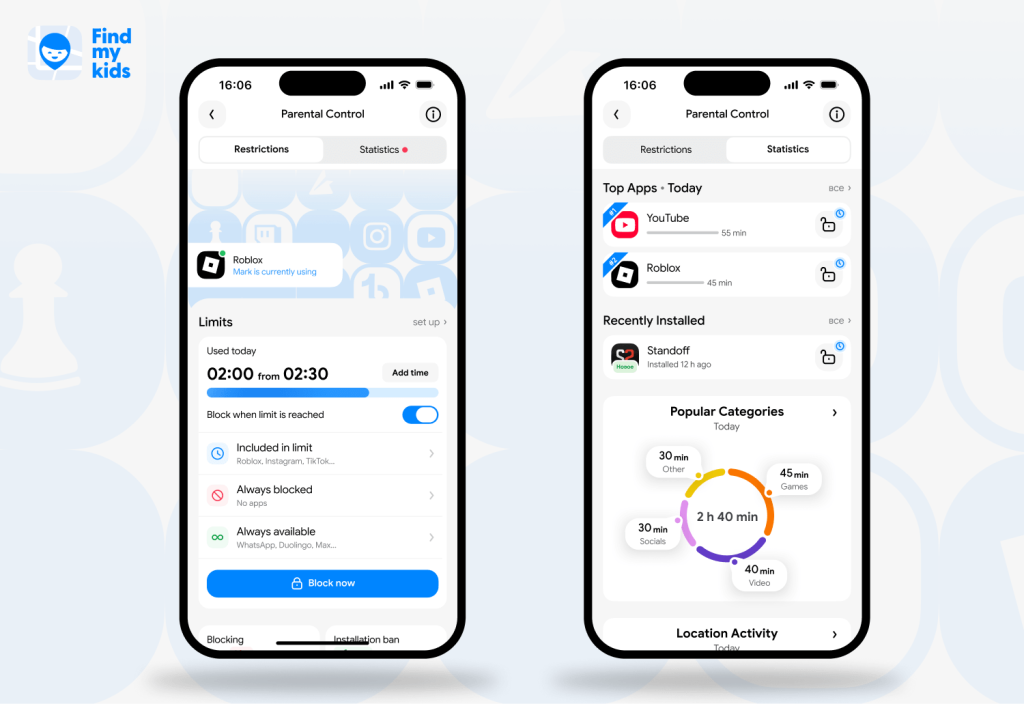
Parental controls such as screen time limits can be especially helpful when it comes to avoiding tech tantrums. Findmykids allows parents to set parental controls and screen time limits that are enabled automatically. That means parents don’t have to always check the time to see how much screen time their child has had.
With Findmykids, parents can:
- Screen Time Limits:Choose how long children can access certain apps and what time of day. That means they can work screen time into their child’s routines and set expectations.
- Inappropriate Content: Block access to all adult content and websites or apps that are for 18+ users.
- Remote Device Locking: Block all apps and games on their child’s phone, except essentials like phone, maps, and the camera, right from their own phone, no matter where they are.
- App Usage Statistics: Review how much time your child spends on each app and receive detailed analytics to make decisions about your child’s screen time.
Beyond screen time and parental controls, Findmykids also offers features designed to support children’s safety in the offline world. Parents can use location tracking to see where their child is, check their location history, and receive alerts when they arrive at or leave important places. These features can provide parents with greater peace of mind while giving children more independence as they grow.
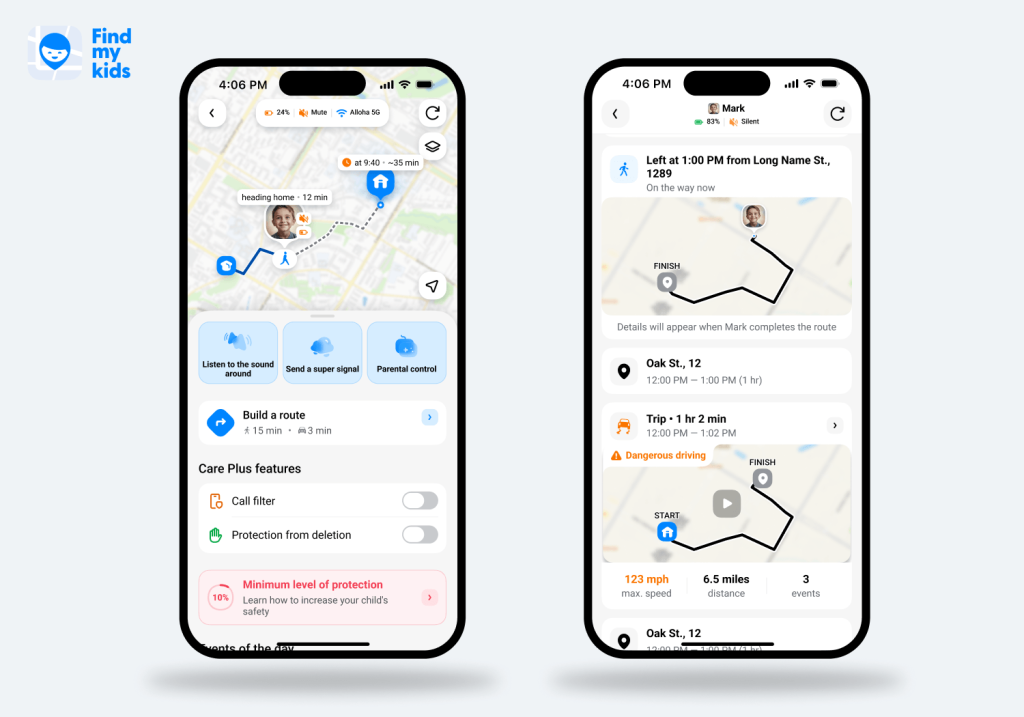
If you’re looking for a way to make screen time more manageable while also keeping your child safer beyond the screen, Findmykids can help you create clearer boundaries and stay connected throughout the day.
Explore Findmykids and see how its parental controls, location features, and safety tools can fit into your family’s routine.
Should Parents Take Away the Phone as Punishment?
When a parent takes away a child’s phone as a punishment for something unrelated to their screen time or device use, it places more value on the device. Therefore, parents may want to use consequences that are directly related to the behavior when possible, rather than routinely taking away a phone for unrelated misbehavior. For example, if child uses their phone in bed when they aren’t supposed to, parents may punish them by taking their phone away at night.
When Should Parents Be Concerned and Talk to Their Child’s Pediatrician?
Tech tantrums can feel a bit overwhelming for parents, especially if they happen in public. Staring at your child throwing a fit and not knowing how to calm them down can feel like you’ve failed as a parent, especially when it’s over something as simple as a phone or tablet.
With most tech tantrums, implementing ways to prevent them and teach children good digital habits is enough. However, in some cases, parents may want to talk to their child’s pediatrician for more help if the tantrums persist or become worse.
Parents should speak with a pediatrician when tech tantrums:
- Happen frequently or become increasingly severe
- Last unusually long or are difficult to calm
- Involve aggression, self-harm, damage, or other unsafe behavior
- Interfere with sleep, school, friendships, or family life
- Occur alongside loss of interest in most screen-free activities
- Continue despite predictable routines and consistent boundaries
- Seem connected to anxiety, depression, attention problems, or developmental concerns
- Make parents feel unable to keep their child or others safe
A 7-Step Plan to Reduce Tech Tantrums
Parents have a lot on their plate when raising children. To help you reduce tech tantrums, here is a simple, seven-step plan to follow:
- Set Clear Limits:Decide when, where, and how long your child can use devices.
- Create a Predictable Routine: Keep screen time at consistent times and explain when it will end.
- Choose Natural Stopping Points: End your child’s device use after completing a game level when playing video games, an episode, or an activity rather than interrupting in the middle.
- Disable Autoplay: Prevent another video or episode from starting automatically on platforms like Netflix or YouTube.
- Prepare the Next Activity: Offer an appealing screen-free activity, such as outdoor play, crafts, or a snack.
- Respond Consistently: Stay calm, acknowledge their feelings, and avoid returning the device during a tantrum.
- Review and Adjust: Track common triggers and change the timing, content, or routine when tantrums persist.
Prevent Tech Tantrums and Instill Healthy Screen Habits in Your Children
Technology is an undeniable part of our everyday lives, which means children are exposed to it at a much earlier age than their parents were. When kids use phones or tablets at such a young age, especially before they can self-regulate their emotions, tech tantrums become more likely.
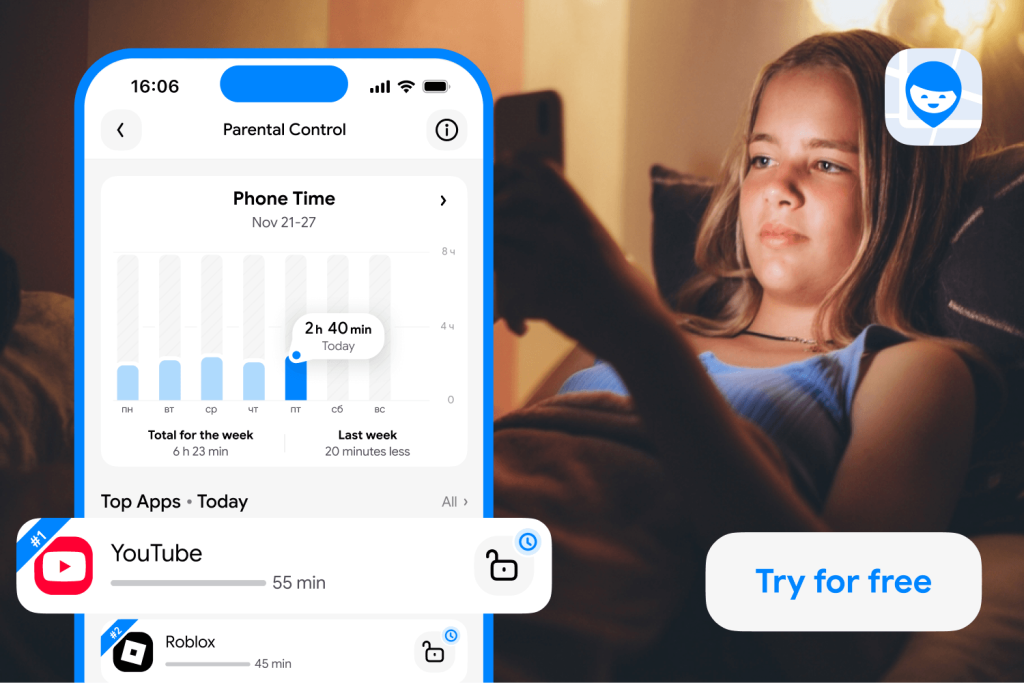
However, when parents take time to understand what tech tantrums are, why they happen, and implement ways to prevent them, it can help their child build healthy relationships with technology. And when they use Findmykids to enable automatic screen time limits and routines, it makes it much easier for both parents and children to know when it’s time to put down the phone.
The great news is that these tech tantrums become much less frequent in older children. But the best way to make sure these tantrums don’t become an issue is to set boundaries early.
FAQs
Why does my child have a tantrum when screen time ends?
Games, social media, and videos are highly engaging and make it difficult for young children to shift their attention away. Additionally, children are still developing emotional regulation skills, which can also make the transition from screen to screen-free activities more difficult.
Are screen time tantrums a sign of addiction?
No, screen time tantrums are not necessarily a sign of addiction. Occasional tantrums are normal, but frequent, intense reactions that disrupt daily life or cause harm signal problematic screen use.
How do I stop a screen time tantrum?
Stay calm, acknowledge your child’s feelings, and maintain the screen time boundary without arguing or returning the device. Offer your child support and time to calm down before moving to the next activity.
Are screen time tantrums normal?
Yes, screen time tantrums can be normal in early childhood development. However, parents should seek advice if outbursts are severe, frequent, or interfere with daily life.
How can I prevent tech tantrums before they start?
Create predictable screen-time routines, set limits in advance, disable autoplay, and stop at a natural endpoint. Having an appealing screen-free activity ready can also make the transition easier.
Tools like Findmykids can make these routines easier to maintain by letting parents set screen-time limits and schedules in advance, so children know when device time starts and ends without parents having to constantly monitor the clock.
When should I worry about my child’s screen time?
You should worry about your child’s screen use if it disrupts their sleep, school, relationships, physical activity, or family life. Speak with your child’s pediatrician if your child is aggressive, cannot follow screen time limits, or loses interest in non-screen activities.
How can parents manage screen time without constant arguments?
Parents can manage screen time without arguments with their children by establishing clear, consistent rules and involving the children in creating screen time limits. The easiest way to enable screen time limits is with the Findmykids app. Parents can set screen time schedules based on their children’s routines, setting boundaries on devices automatically.
Sources & References
- Prevalence and Predictors of Children’s Persistent Screen Time Requests: A National Sample of Parents, PubMed, 2022
- Screen Time Tantrums: How Families Manage Screen Media Experiences for Toddlers and Preschoolers, University of Washington, 2016
- New WHO guidelines on physical activity, sedentary behaviour and sleep for children, WHO, 2019
- Dopamine Burnout in Kids: Why Screens Make Everything Boring, Dr. Shimi Kang, 2026
- How Routines Help Kids’ Mental Health, The Kids Mental Health Foundation, 2025
- Acute Sleep Restriction Effects on Emotion Responses in 30- to 36-Month-Old Children, National Library of Medicine, 2013
- 55% of Parents Say They Use Screen Time as a Bargaining Chip with Kids—Is This Effective?, Parents, 2025
- Longitudinal Associations Between Use of Mobile Devices for Calming and Emotional Reactivity and Executive Functioning in Children Aged 3 to 5 Years, JAMA Pediatrics, 2022
- Screen Time & Temper Tantrums: Helpful Tips for Parents, Healthy Children, 2024
- Pressing Pause on Tech Tantrums, Triple P, 2025
- Dealing with Tantrums Around Screen Use, Parent Club, 2025
Cover image: User35692504 / Magnific.com
Проверьте электронный ящик