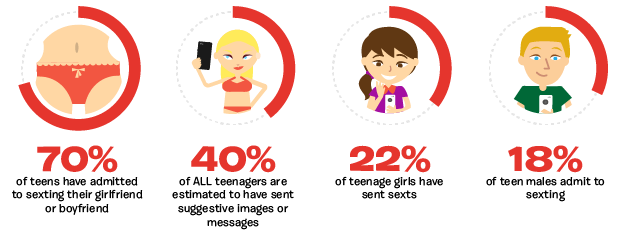
















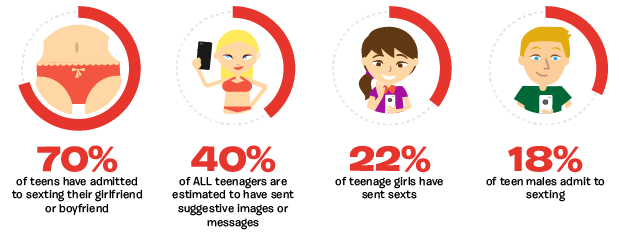
It is a sobering reality that, according to recent digital safety studies, nearly one in four teens reports receiving a sexual message or solicitation from a stranger online. It used to be that the biggest concern for parents was who their child was meeting at a local party, but today, the rules have completely changed. Now, a teen can connect with a total stranger from the quiet of their bedroom, often stumbling into the high-pressure environment before they even realize the point where things have gone wrong.
While Tinder is technically built for online dating between adults, teens sometimes find ways to bypass age restrictions, exposing them to sexually explicit material and pressure to share private images or engage in sexual conversations. Understanding the Tinder sexting phenomenon is about more than just checking a phone at night. It is about recognizing that a casual conversation can turn sexual in a very short bit of time, leaving a person vulnerable to risks they aren’t prepared for.
By learning how these dating apps actually work, parents can have a real talk with their kids about the long-term impact on their lives and future relationships.
Key Takeaways
- Tinder sexting refers to the exchange of sexually suggestive messages, photos, and videos.
- There is a thin line between flirty teasing and sexting, and once a person sends pics, they lose control over that content.
- Most dating apps do not provide screenshot alerts, meaning nudes can be saved and shared without the sender’s knowledge.
- Findmykids is a tool that respects privacy while allowing parents to catch unexplained app installs on Android or iOS.
- Effective talk about dreams and fantasies helps teens understand that online actions have real-life consequences.
Contents:
What Parents Should Know About Tinder Sexting
Credit: sallyoreilly.com
To a teen, Tinder sexting might seem like an easy way to explore their sexual identity or engage in teasing fun. However, the meaning of this behavior is often much more complex. It typically refers to sending suggestive messages or images to matches, sometimes escalating to sexualized chats.
The conversation often starts off as flirty. A guy might compliment a girl on what she is wearing in her profile pics. But on Tinder, this can quickly escalate to requests for private photos or video chats with sexual content.
Flirting vs. Sexting: Where the Line Is
Parents need to help their kids identify when a conversation becomes wrong.
- Flirting: Complimenting a person, teasing about a party, or expressing that they are interested in a date.
- Sexting: Sending explicit photos, requesting intimate images, or sharing sexual fantasies.
Why Tinder Sexting Can Go Wrong Fast
Online dating is built on matches with strangers. When a teen is sitting at a computer or on their phone at night, the distance can make them feel like they can remain anonymous, which can quickly turn dangerous. What happens in a private chat rarely stays there.
The Lack of Screenshot Alerts
A major risk of Tinder sexting is the false sense of security it can create. Unlike some other apps, Tinder does not respond with screenshot alerts. If a person sends nudes or sexually suggestive images, the recipient can save them forever. These images can be used for bullying or leaked to friends and family weeks or months later.
Recognizing the Signs: Is Your Teen Using Dating Apps for Sexting?

Brocreative/Shutterstock.com
Catching on to the fact that a child might be deep into sexting apps usually starts with a feeling that their digital life has suddenly become a “no-go zone” for the rest of the family. While girls and guys naturally start pulling away and demanding more privacy as they get older, there is a specific kind of shift that happens when Tinder sexting or the exchange of explicit content enters the picture. It isn’t just about wanting to talk to friends in private; it is about a person who seems to be guarding their phone like it’s a high-stakes secret.
Extreme Secrecy and Physical Isolation
One of the most common signs is a sudden, intense need for physical isolation when using a device. Parents should watch for a teen who is suddenly sitting in the bathroom for a long time with their phone, or who immediately tilts their screen away when someone enters the room.
If they were previously casual about their texting habits but now seem to guard their phone closely, as if it holds a personal secret, it could indicate they are receiving sexually suggestive messages or preparing to share private images.
The “Clean Phone” Syndrome and Frequent Deletions
While some kids are naturally organized, a teen who is sexting will often become obsessed with clearing their digital footprint. If you notice that their chat history is always empty or that they frequently delete pics, videos, and photos from their gallery, it may be an attempt to hide activity from parents. This behavior is a defensive act to ensure that if a parent does catch a glimpse of the phone, no explicit content or nudes are visible.
Unexplained App Installs and “Ghost” Folders
Finding Tinder on an Android or iOS device is a clear red flag, as the app is strictly for users over 18. However, savvy teens often use other apps to remain anonymous or hide their sexting habits. Parents should look for “vault” apps that look like calculators but actually store private or sexually suggestive images.
Read also: How to Spot a Fake Calculator App — and Why it Matters.
Drastic Shifts in Mood and “Night Owl” Habits
Engagement in Tinder sexting often leads to noticeable changes in a teen’s mood. A teen might seem unusually preoccupied, anxious, or restless after a social event, or they may stay up late chatting online. If a teen is teasing a match or waiting for suggestive messages or images, they may become irritable when asked to put the phone away, as they don’t want to miss part of the conversation.
How to Talk About Sexting and Digital Safety
It is important to talk to girls and guys about sex and sexting without making them feel like they are in trouble. The goal is to connect and create a safe space for conversation.
Parents can say something like: “I know the world of dating apps seems like a free way to meet people, but sending photos or nudes can lead to things going wrong very quickly.” Remind them that a real relationship is built on more than just sexy text and images.
Additional points to cover:
- Emphasize Consent and Respect: Remind teens that sharing private content should never be pressured, and that respecting themselves and others is crucial.
- Discuss Consequences: Explain that once an image or message is shared, it can be saved or redistributed, even without their knowledge, potentially affecting friendships, school life, and future relationships.
- Digital Boundaries: Encourage teens to set personal limits for online interactions, avoid anonymous strangers, and think before sharing any private content.
- Model Open Communication: Let teens know they can come to you if they feel uncomfortable online, if someone asks them for private content, or if they encounter anything that worries them.
- Healthy Relationship Skills: Reinforce that real relationships are built on trust, respect, and shared experiences, not just messages or images exchanged online.
By approaching the topic with care, empathy, and clear guidance, parents can help teens navigate online interactions safely, understand risks, and develop responsible digital habits.
How Findmykids Helps Parents Stay Aware of Digital Risks

Findmykids app
Supervising a teen’s online life often feels like trying to hold back a tide of evolving slang and hidden apps. When girls or guys can send nudes or jump into a video chat with a stranger in a single moment, sitting them down for a talk is only half the battle. Findmykids is a supportive tool that respects privacy, giving parents a clear view of what is happening on a phone without needing to hover over every private conversation.
Monitoring App Usage Without Invading the Conversation
One of the biggest hurdles to preventing Tinder sexting is that parents often don’t even know the app is on their child’s phone. Findmykids provides an app usage report that lets you watch how much time is spent on dating apps or other apps. Instead of reading every private chat, you can see if a teen is interested in a sexting app for hours a night.
- Spotting Risky Apps: The app identifies if a child is using Tinder, Snapchat, or other apps where content disappears quickly.
- Blocking & Limiting Access: Parents can block apps completely or set time limits, preventing teens from accessing risky apps during late hours or unsupervised moments.
- Blocking Adult Websites: Findmykids also allows parents to restrict access to 18+ websites, keeping inappropriate content off the phone while still respecting privacy.
Real-World Safety: Location Tracking and SOS Signals
The most dangerous point of online dating for a minor is when a virtual sex chat turns into a request to meet in the real world. If a teen decides to meet a stranger from a Tinder match, Findmykids ensures you aren’t left in the dark.
- Live Location Awareness: You can find exactly where they are if they go to a party or a date with someone they met online.
- Sound Around Feature: This allows parents to hear what is happening around the phone if they are worried a guy or stranger is putting their child in a dangerous mood.
- Safety from Predators: By tracking their location, you can respond instantly if a teen is wearing a GPS watch or carrying their phone into an area that feels wrong.
Using Data to Build Digital Literacy
The goal of using Findmykids isn’t just to watch and catch, it is to create an open talk about sexting and explicit content. When the app shows that a child is interested in dating apps, it provides a perfect starting point for a conversation.
Parents can use the app’s summary to talk about:
- The Risks of Nudes: Why it is dangerous to send nudes when there are no screenshot alerts on Tinder.
- Respecting Privacy: How the app respects privacy while still acting as a sign that the parent cares about their sexual safety.
- Future Consequences: How images, photos, and videos shared today can affect their life and a real relationship in the future.
By integrating Findmykids into your daily life, you aren’t just a parent monitoring a phone; you are a parent empowering your child to navigate the world of online dating with a safety net.
Other Sexting Apps Parents Should Know

While Tinder is the most well-known, many other apps can also be used for sexting or sexually suggestive conversations. Parents should be aware of these popular platforms:
- Snapchat — Allows messages, photos, and videos to disappear after being viewed, which can make it harder for parents to monitor activity.
- Kik — Provides anonymous messaging and group chats, making it easy for teens to communicate with strangers.
- Whisper — Lets users post or chat anonymously, which can encourage sharing private or suggestive content.
- Instagram — Direct messages and disappearing photos/videos make it possible for teens to exchange private content without detection.
- TikTok — While primarily a video-sharing app, direct messaging and live streams can expose teens to inappropriate requests.
- Facebook Messenger / Messenger Kids — Enables private chats, including with unknown contacts, sometimes bypassing parental awareness.
- Vault or Calculator Apps — Apps disguised as calculators or utility tools that store private images or messages hidden from normal view.
These platforms allow users to remain anonymous, making it easier for a teen to receive requests for sexually explicit images or private content.
Related: Sexting on Snapchat: What Every Parent Needs to Know.
Staying Ahead of Digital Risks
Online behavior can have real-world consequences. Whether it’s a shared video or sexually suggestive content circulated at school, the moment a teen sends a private or sexual message or image, they lose control over how that content is used.
By using Findmykids, you can ensure your child stays interested and practices safe habits. You can watch their activity, connect with their online life, and respond before a horny conversation turns into a life-altering mistake.
FAQs

rawpixel.com / Freepik.com
What is Tinder sexting?
It is the act of sending sexy messages, pics, and videos through the Tinder app.
Is sexting on Tinder safe?
No. Since there are no screenshot alerts, any explicit content you send can be saved by the other person.
Does Tinder notify users about screenshots?
No, Tinder does not currently notify users when a screenshot is taken of a chat or photos.
What are the biggest privacy risks of sexting on Tinder?
The biggest risks include reputation harm, exposure to a stranger, and the legal issues of sending nudes as a minor.
How can I protect my privacy while chatting on Tinder?
The best way is never to send nudes, stay anonymous as long as possible, and never move the conversation to a video chat too early.
Cover image: Author freepik / Freepik.com
Проверьте электронный ящик