


















Most adults are well aware of the risk of identity theft they face these days. However, many parents don’t realize that child identity theft can be just as serious a threat. To protect their children’s identities, parents need to learn about the risks and preventive measures they can take to secure sensitive information.
Key Takeaways
- Child identity theft is an often-overlooked security issue, especially in our digital world. Kids’ Social Security numbers are particularly valuable to criminals looking to commit fraud.
- Child identity theft often goes unnoticed for years. Many victims discover the problem later, when they apply for their first loan, credit card, or other financial services and find unexpected issues with their credit history.
- Parents can help reduce the risk of child identity theft by teaching kids good security habits, protecting personal information, and using online safety tools, such as the Findmykids app, to support safer digital habits.
- If a child’s identity is stolen, parents should act quickly to report the fraud and protect their child’s personal information to prevent future credit issues.
Contents:
What Is Child Identity Theft?
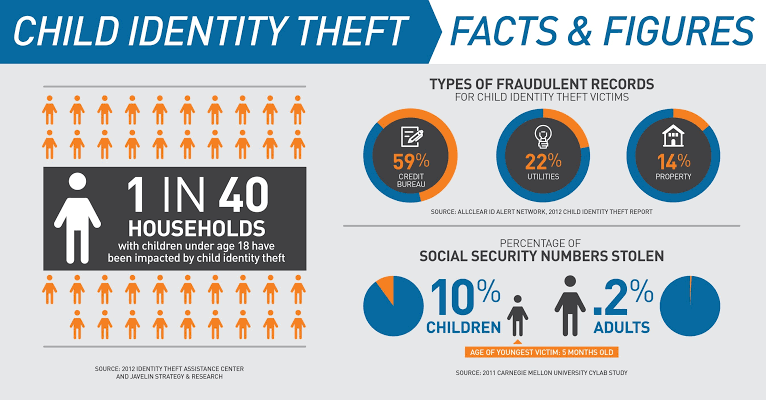
Credit: prnewswire.com
Theft of a minor’s identity is similar to that of an adult. It involves a person fraudulently using a child’s sensitive personal information for criminal purposes. Surprisingly, children are prime targets for identity theft even though they rarely need to use their Social Security numbers.
Child identity theft is more common than many parents realize. According to Javelin Strategy & Research, child identity fraud affects approximately 1 in 50 children in the U.S., costing families nearly $1 billion annually. The same research shows that these cases often go unnoticed for years because children typically do not use credit or financial services until they become older.
Kids’ lack of financial activity is actually more appealing to criminals because we are so unlikely to notice if a child’s information is stolen. Adults, on the other hand, might notice identity theft when filing tax returns, applying for loans, or checking their credit. But most kids don’t discover the theft until they begin making financial moves as adults. Therefore, stealing children’s identities allows criminals to take advantage of their credentials for a longer period of time.
Identity thieves could be using your child’s information for many types of fraudulent activity. They may apply for a loan or open a credit account in the child’s name. They could use the information to rent property, sign up for utilities, get a cell phone plan, or even apply for government benefits.
Warning Signs of Child Identity Theft
There are some red flags that could alert parents to the possibility that their child’s personal information has been compromised. A few that serve as fraud alerts are:
- Unsolicited contact: Pay attention if your child receives suspicious financial mail in their name, such as pre-approved credit card offers or collection notices. Similarly, be concerned about calls from any collection agency about your child’s bills (especially if you are sure that they are not from accounts you opened).
- Denied government benefits: If your child is denied benefits such as nutrition assistance or health care coverage, it could be because someone else is already fraudulently using your child’s information, including their Social Security number.
- Internal Revenue Service (IRS) involvement: The IRS could contact you if someone else used your child’s Social Security number on their own tax forms. This could be identified in their system as unpaid income taxes for your child.
- Bad credit: If someone has been using your child’s credit information to set up accounts and then not paying them, your child’s credit history would be affected. This often goes unnoticed until a child tries to apply for a student loan or other credit and gets denied.
- Unfamiliar accounts or bills: Parents may also notice identity theft when they receive bills, account statements, or notifications for services their child never signed up for, such as phone plans, utilities, or online accounts.
- Data breach notifications: If a company, school, healthcare provider, or online service reports a data breach involving your child’s information, monitor their accounts and consider taking additional protective steps.
Related: Doxxing: How Strangers Can Find Your Child’s Personal Information.
What Information Should Parents Protect?
The most valuable identifier kids have is a Social Security number. It is usually the only piece of information necessary to open a credit account. Parents normally apply for their child’s Social Security card shortly after birth, but rarely need to use it in day-to-day life. So it is easy to forget about the importance of keeping the number safe.
Parents should also protect other types of personal information that criminals can use to impersonate a child, access accounts, or create a more complete profile, including:
- Full name and date of birth: Often used together with other details to verify someone’s identity.
- Home address and phone number: Can help criminals collect additional information about a child or family.
- School information: Including the name of the school, class schedule, or extracurricular activities, which can reveal details about a child’s daily routine.
- Online account details: Such as usernames, passwords, and email addresses that could be used to access personal accounts.
- Medical and insurance information: Which may be misused for fraudulent claims or services.
As teens get older, they may also get part-time jobs, pay taxes, and open bank accounts. This exposes them to all of the same identity-theft dangers that adults face in the financial world. It is important that they understand the risks of sharing their personal identifying information. Although they may not have many financial assets at a young age, a child’s personal information remains highly valuable to criminals.
Read also: How to Protect Personal Information Online in Your Family.
How to Prevent Child Identity Theft
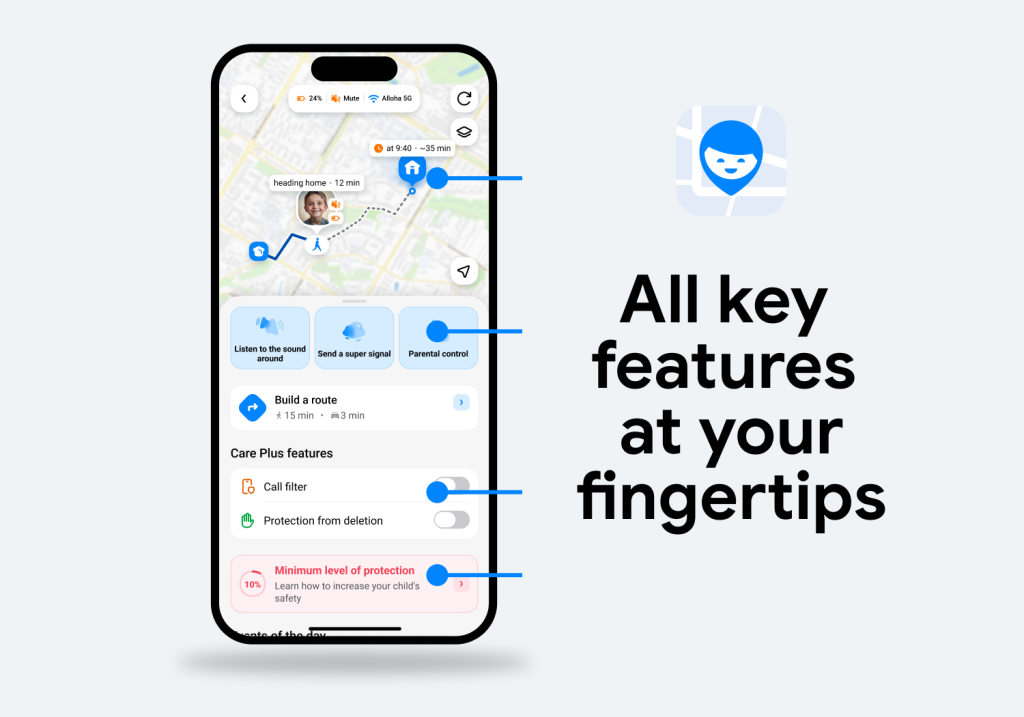
Findmykids app
Preventing child identity theft requires a combination of offline precautions and smart digital habits. While parents cannot control every situation where a child’s information may be exposed, they can reduce the risks.
Here are some practical steps parents can take to protect their child’s identity:
- Use parental controls: Monitoring and limiting your child’s online activity is an important safety step that helps prevent identity theft and a wide range of other security concerns. This is where tools like the Findmykids app can help. Findmykids allows parents to block risky websites with safety filters. Parents can also review their kids’ online activity to monitor where they could be sharing identifying information.
- Protect important documents: Any physical records that contain a child’s Social Security number should be stored in a secure location, such as a locked file cabinet. Other supporting documents with a child’s personal information, like the child’s birth certificate or identification cards, should also be stored securely. Shred paperwork if you need to dispose of it. This includes forms for schools, camps, and sports, as well as medical bills and insurance statements.
- Be careful with your child’s Social Security number: Only use your child’s Social Security number when it’s absolutely necessary. If possible, use a different identifier (such as a phone number or mailing address) or the last four digits of the Social Security number only. When you do have to share it, inquire about how it will be protected. Make sure that your child’s Social Security card is kept in a secure place.
- Make accounts private: Be sure that all accounts containing sensitive information are secure. Use privacy settings and password protection.
- Teach kids about personal information: Take proactive steps to educate kids about the dangers of sharing personal information, especially online. Make sure they know that they can come to you with questions or concerns about their sensitive data.
- Use strong security habits: Any time sensitive information must be shared online, be sure to take protective measures. Set up two-factor authentication and use strong, unique passwords. Also, take advantage of software updates that offer added security.
- Monitor digital footprints: In this era of digital vulnerability, it is essential to monitor your family’s digital footprint in order to understand where kids may be sharing information online and who may be using your child’s identity. To learn more, please check out Your Guide to the Digital Footprint Checkers.
- Check your child’s credit report. Most children under 18 should not have a credit report. To check your child’s credit file, contact the three credit bureaus (find their contact information at IdentityTheft.gov). You may have to give the credit bureaus proof of identity, such as the child’s birth certificate or the child’s Social Security card. You may also need to prove your status as their guardian with your driver’s license or another identification card. Then they can conduct a manual search of the child’s Social Security number.
Protecting your child’s identity is an ongoing process that involves both awareness and the right safety tools. Digital risks can appear in many forms, from accidentally sharing personal information online to interacting with unsafe websites or accounts.
Findmykids can help parents support safer digital habits by providing tools to monitor online activity, manage screen time, and create a more secure digital environment for the whole family. With features designed to help parents stay informed and connected, Findmykids works alongside open conversations about privacy and online safety—not as a replacement for them.
Try Findmykids today for free and take an extra step toward protecting your child’s digital safety.
What to Do If Your Child Has Their Identity Stolen
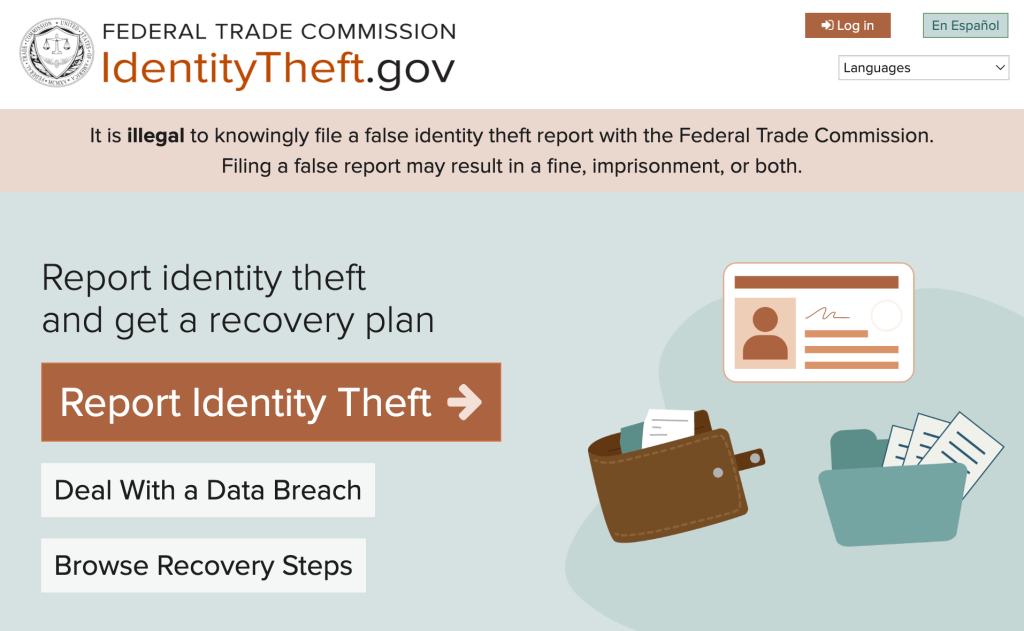
Credit: identitytheft.gov
If you find that your child is a victim of identity theft, it is essential to take steps quickly
to prevent further issues:
- Step 1: Contact the companies or institutions directly when you know where the fraud occurred. Ask them to investigate the issue—their fraud alert departments should help you to close the fraudulent accounts and provide written confirmation that your child is not responsible for them.
- Step 2: Contact the nationwide credit reporting agencies and ask them to remove the accounts from your child’s credit report. Find their contact information at IdentityTheft.gov. You can then request that the three credit bureaus freeze your child’s credit file to make it harder for someone to open new accounts in your child’s name.
- Step 3: Make an identity theft report to the Federal Trade Commission (FTC) at IdentityTheft.gov and include as many details as possible in your report.
- Step 4: Consider filing a police report if necessary. In some cases, companies or credit bureaus may require additional documentation. A police report can help support your claim and provide further evidence that the accounts were opened fraudulently.
- Step 5: Continue monitoring your child’s information. After resolving the immediate issue, continue checking for new suspicious activity and review your child’s credit file regularly to make sure no additional fraudulent accounts appear.
Final Checklist to Prevent Your Child from Becoming a Victim of Identity Theft
Though identity theft can be a scary issue, managing it comes down to just a few basic considerations:
- You and your child should only share their personal information when absolutely necessary. Be especially cautious with Social Security numbers.
- Store important physical documents, such as birth certificates and Social Security cards, in a secure location.
- Practice good security habits when using your child’s personal information online. Using parental tools like the Findmykids app can help you monitor your kids’ digital safety.
- Don’t ignore warning signs, such as a call from a collection agency or a letter requesting payment for an account you did not open for your child.
- If your child is a victim of identity theft, take action quickly to safeguard your child’s future credit file. Reach out to the credit reporting agencies to request a free credit freeze and file an identity theft report with the FTC.
Remember that most security concerns related to identity theft involve the same protections parents should use for any sensitive issue. It is important that parents simply remain vigilant and teach kids how to do the same.
FAQs
What is child identity theft?
Child identity theft is when a criminal obtains a child’s sensitive private information (most often a Social Security number) and uses it to commit fraud, such as opening credit accounts in the child’s name.
How do I know if my child’s identity was stolen?
You may notice red flags, such as contact from debt collectors about accounts in your child’s name or from the IRS about unpaid income taxes. The child may also be denied when applying for benefits, loans, or bank accounts.
Should I check my child’s credit report?
Yes, you can contact the three major credit bureaus to request a manual search of a child’s Social Security number. Most children under 18 should not have a credit report.
Can I freeze my child’s credit?
Yes, if you know that your child has a credit report and suspect fraud, you should immediately contact the credit reporting agencies and request a credit freeze. If your child does not yet have a credit report, you can ask the bureaus to open one and then freeze it as an added layer of protection.
What should I do if someone used my child’s Social Security number?
Take action quickly to close any fraudulent accounts. Then contact the three credit bureaus to remove the fraud and freeze the child’s credit report. Finally, be sure to report the fraud to the FTC.
Sources & References
- Credit Bureau Contacts, IdentityTheft.gov
- Child Identity Theft: Parent Awareness, Behaviors, and Attitudes, Security.org, 2026
- How To Protect Your Child From Identity Theft, Federal Trade Commission, 2026
- Child Identity Fraud: A Web of Deception and Loss, Javelin Strategy & Research, 2021
Cover image: Volodymyr-t / magnific.com
Проверьте электронный ящик