














What is doxxing, and why is it so dangerous? It comes down to malicious intent.
You probably taught your child not to give strangers their phone number or home address. Online, though, those same details can slip out one clue at a time. A reused username, a school logo in the background of a photo, or a public profile with a birthday may not seem like much on its own.
But doxxers don’t need one big piece of information. They piece together usernames, photos, old accounts, leaked passwords, and public records until they can identify someone in real life.
For children and teens, the consequences can be serious. An argument during an online game or on social media can quickly escalate into harassment that follows them offline.
Key Takeaways
- Doxxing is the unauthorized sharing of someone’s personal information online to intimidate, harass, or threaten them.
- Most doxxers don’t hack. They piece together information from social media, data brokers, public records, leaked passwords, and other public sources.
- Children can become targets after gaming disputes, online arguments, or by oversharing across multiple accounts.
- Smart privacy habits, strong passwords, and regular privacy checks can significantly reduce your child’s risk.
- Staying involved in your child’s digital life can help you spot potential problems early. Tools like Findmykids help parents stay connected through location tracking, safety alerts, and digital wellbeing features.
- If your child is doxxed, save evidence, secure their accounts, remove exposed information, and report the incident as quickly as possible.
Contents:
What Is Doxxing?
Doxxing is the act of collecting and publicly sharing someone’s private information without their permission. The goal is usually to intimidate, embarrass, threaten, or encourage other people to harass them.
The term comes from the phrase “dropping docs,” which originally referred to exposing someone’s confidential documents online. Today, it covers almost any situation where identifying or confidential data is posted publicly without consent.
A doxxer might publish your child’s:
- Full name
- Home address
- Phone number
- Email address
- School
- Photos
- Names of family members
- Login credentials
- Social Security numbers
- Bank account details
- Credit card details
Sometimes the information is stolen. But more often, it’s already available somewhere online. The doxxer simply gathers it from multiple places and publishes it in one location.
The result can range from unwanted phone calls to identity theft, ongoing harassment, or even concerns about physical harm.
Doxing vs. Doxxing
You’ll see both doxing and doxxing used online, but they’re the same thing.
“Doxing” is the spelling you’ll often find in cybersecurity resources and technical documentation. “Doxxing” is more common in news stories, media coverage, and everyday conversation.
No matter which spelling you see, both describe the same practice of exposing someone’s identifying information without permission.
How Common Is Doxxing?
Doxxing is more common than many parents realize, partly because it often goes unreported.
Аccording to the Center for Democracy & Technology, victims of online harassment are increasingly targeted through tactics that go beyond insults, including having their identifying information publicly shared, with the Pew Research Center showing that roughly one in five internet users has had personal information exposed online without their consent.
Children and teenagers may be especially vulnerable because they typically have a much larger digital footprint than previous generations. Between gaming profiles, messaging apps, school platforms, and multiple social media accounts, it’s easy to leave behind far more information than intended. Even if each account reveals only one small detail, those details add up.
What Information Can Be Used in Doxxing?

Wavebreak Media / magnific.com
When people hear the word “doxxing,” they often picture stolen financial records or hacked government databases. In reality, almost any information can become valuable if someone is trying to build a profile about your child.
Some information identifies a person directly. Other details simply help connect the dots.
| Type of Information | Examples | Why It Matters |
| Personal information | Full name, birthday, school, phone number, home address | Makes it easier to identify or locate someone |
| Sensitive information | Social Security numbers, medical records, passwords, credit card details, bank account details | This private data can lead to fraud or identity theft |
| Publicly available information | Photos, usernames, comments, old blogs, gaming profiles | Helps connect identities across multiple platforms |
| Contact information | Email accounts, messaging usernames, alternate phone number entries | Makes harassment and phishing easier |
| Family information | Parents’ names, siblings, schools, workplaces | Expands the attack to other family members |
⠀
Many of these details, like a birthday posted for friends, a soccer photo with a school logo, or a vacation selfie taken outside your hotel, don’t seem dangerous by themselves.
The problem is accumulation. Doxxers rarely discover one dramatic secret. They gather dozens of ordinary details until they have enough identifying information to locate someone, impersonate them, or encourage others to target them. That’s why teaching children to think before they share online is just as important as teaching them not to talk to strangers.
Where Do Doxxers Find Personal Information?
Personal information can be easier to find online than many families realize. Below are some of the most common sources that doxxers may use when searching for details about a person.
Social Media Research
For most doxxers, social media is the easiest place to start.
Every post can reveal a little more personal information than you intended. A single photo might show a school logo, street sign, license plate, or landmark near your home address. Even if your child never shares their address, those clues can be pieced together across different social media platforms.
Doxxers also compare usernames across multiple platforms to connect accounts. Old social media profiles can be just as revealing, often containing outdated photos, birthdays, or other personal details your child forgot were still public.
Data Brokers and Public Records
Thousands of companies known as data brokers collect information from loyalty programs, surveys, online purchases, public filings, and countless other sources. They package that information into consumer profiles that can sometimes include names, previous address information, phone numbers, family relationships, and other identifying details.
Most people never intentionally give information to data brokers, yet many don’t realize just how much information has already been collected about them.
In addition to the dark web, doxxers may also search public records and public databases, depending on what’s available where you live. These records can include:
- Property ownership records
- Court filings
- Business registrations
- Professional licenses
- Voter registration information in some jurisdictions
On their own, these records may not reveal much about your child. Combined with information from social media, however, they can help confirm identities or connect children to parents and other family members.
Domain Registration Information
If your child has ever built a personal website or registered a domain name, that’s another place someone might look.
When someone purchases a website domain, ownership information may be stored in a public database called WHOIS. Unless the owner chooses privacy protection to hide domain registration information, those records may display names, email addresses, phone numbers, or mailing address information.
Most domain registrars now offer privacy protection by default, but it’s still worth checking older registered domain names to make sure domain registration information isn’t publicly visible.
Phishing, Hacking, and Account Access
Not every doxxer limits themselves to public information.
Some attempt to gain access to online accounts through password leaks, scams, or hacking.
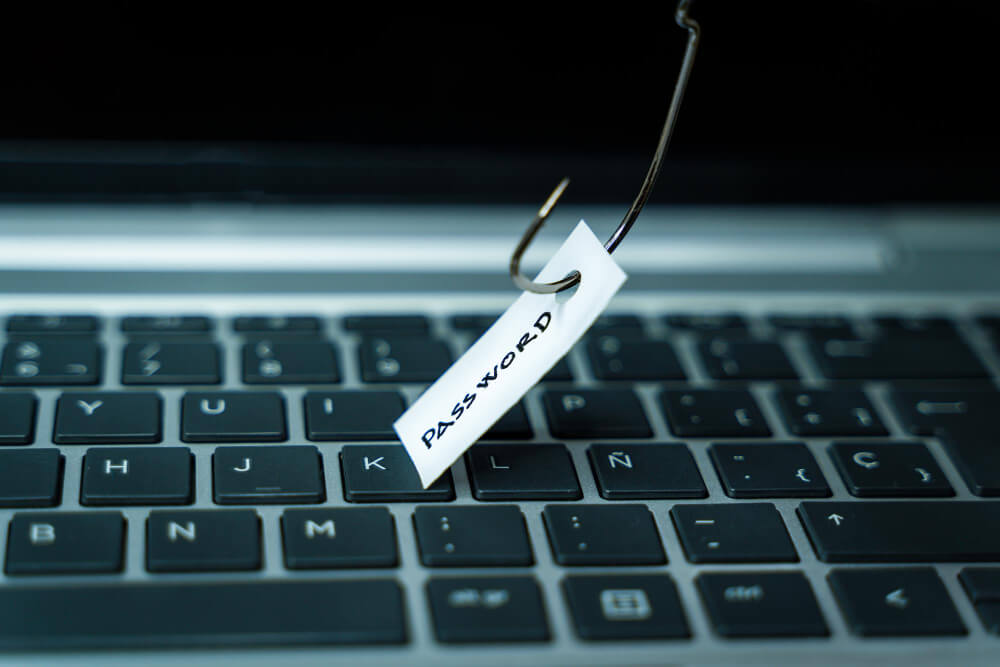
One common tactic involves sending convincing phishing emails that appear to come from a trusted company. If your child clicks the link and signs in, they may unknowingly hand over login credentials.
Password breaches create another risk. If one website experiences a data breach and your child uses the same password elsewhere, attackers may be able to access additional accounts using those leaked credentials.
That’s why online security experts consistently recommend:
- Creating unique passwords for every account
- Using a reputable password manager
- Turning on multi-factor authentication or two-factor authentication whenever it’s available
These simple habits won’t stop every attack, but they make unauthorized account access much more difficult.
IP Tracking, Public Wi-Fi, and Packet Sniffing
Some doxxers use more technical methods, although they’re generally less common.
Every device connected to the internet has an IP address. While an IP address usually won’t reveal someone’s exact address, it can sometimes identify an approximate geographic area or internet provider.
Using unsecured public Wi-Fi can create additional privacy risks. On poorly protected networks, attackers may use a technique called packet sniffing to intercept unencrypted internet traffic.
Most families don’t need to worry about this every day, but it’s a good reason to avoid logging into important accounts while connected to unfamiliar public Wi-Fi. When that’s unavoidable, using a virtual private network adds another layer of protection.
For most children, though, sophisticated attacks aren’t the biggest concern, as oversharing remains far more common than hacking.
Why Do People Dox Others?
Rawpixel.com / magnific.com
Most cases involve malicious intent. Some people want revenge after an online argument. Others try to silence opposing viewpoints, embarrass someone publicly, or encourage online harassment by exposing private information to a larger audience.
In gaming communities, for example, a disagreement can escalate into someone posting another player’s phone number or home address. On social media sites, heated conversations sometimes lead people to search for identifying details they can use against someone.
Children don’t have to be influencers or public figures to become targets. Sometimes simply winning a competitive game, ending a friendship, or participating in a viral trend is enough to attract unwanted attention.
The far-reaching consequences can extend well beyond the internet. Victims may experience anxiety, fear, loss of privacy, and emotional distress. Some families end up changing passwords, removing personal information from websites, or even contacting schools if threats become serious. In more severe situations, doxxing has led to stalking, identity theft, false emergency reports, or concerns about physical harm.
Examples of Doxxing
Most doxxing incidents never make national headlines, but some cases show how quickly online conflicts can turn into real-world harassment:
- Teen gamer doxxed after an online argument (Australia, 2024). A 15-year-old boy named Alex was doxxed after a conflict with another player while playing Call of Duty. The other gamer reportedly obtained his IP address, used it to find his home address, and shared it with other players. After that, Alex and his family received dozens of unwanted food deliveries to their home every day for several weeks, causing significant stress and fear.
- Roblox harassment case involving a minor (USA, 2026). In 2026, police investigated a case involving a juvenile accused of harassing another young person after meeting them through Roblox. Investigators said the harassment escalated to doxxing, with the victim’s home address allegedly posted online and used alongside threatening messages.
Most children will never become the target of a large-scale doxxing campaign. However, everyday situations—such as a disagreement during an online game, a social media argument, a viral post or accepting unknown followers—can create privacy risks. Teaching children to protect personal information and think carefully before sharing online is one of the best ways to reduce those risks.
Is Doxxing Illegal?
Whether doxxing is illegal depends on what happened and where you live. Simply sharing publicly available information isn’t always against the law. However, many doxxing incidents involve crimes that are illegal, including hacking, stalking, identity theft, harassment, extortion, or making threats.
In serious cases, offenders may face significant legal repercussions, including fines, jail time, or even a prison sentence.
If your child receives threats or someone publishes their personal information alongside calls for harassment or violence, contact the platform immediately and don’t hesitate to involve the local law enforcement agencies.
How to Protect Kids From Doxxing
Findmykids app
You can’t erase every risk online, but you can make it much harder for someone to build a profile of your child.
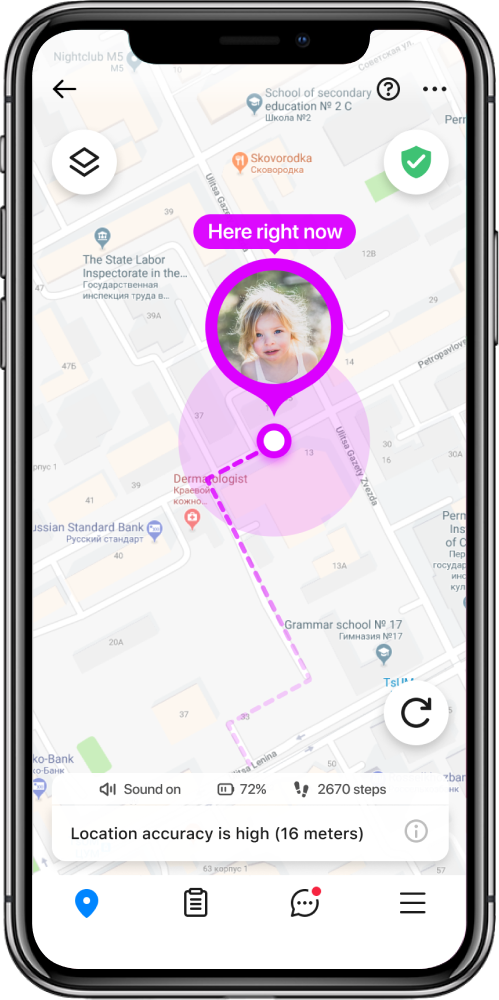
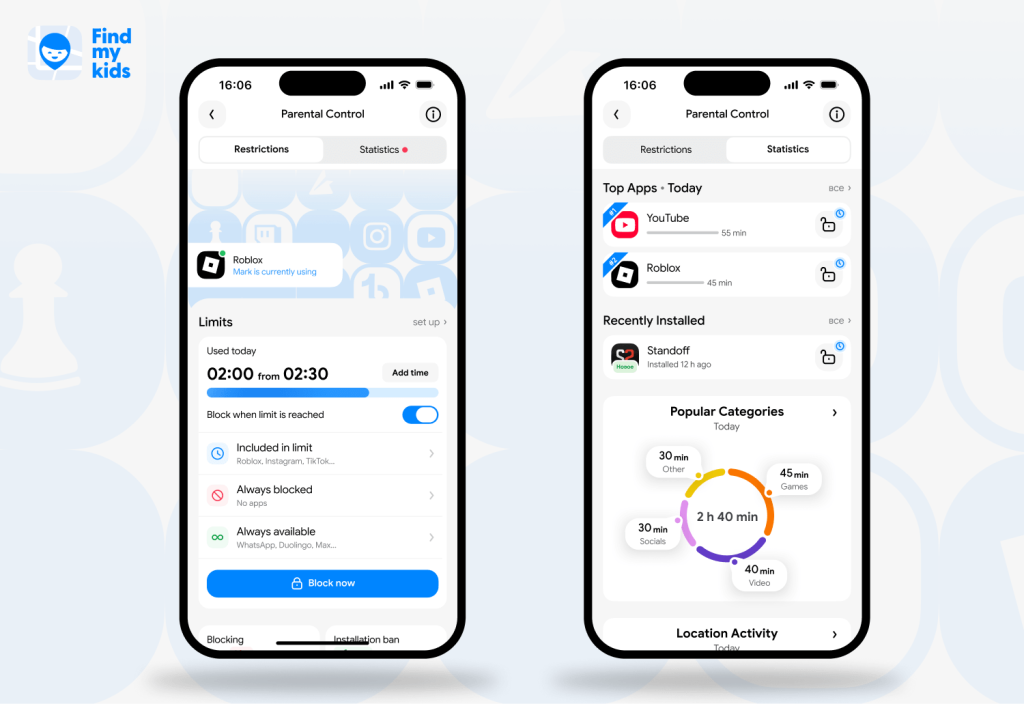
- Use a parental control app. Findmykids helps parents stay connected with their children through real-time location tracking, place alerts, SOS signals, and other family safety features. While no app can completely prevent doxxing, Findmykids can help parents notice unusual situations that may point to an online safety issue — for example, if a child suddenly changes their usual routine, leaves a familiar area unexpectedly, or needs help. The app also supports healthier digital habits with features that help parents manage screen time and app usage, making it easier to have conversations about online safety and responsible smartphone use.
- Review privacy settings. Check your child’s social media accounts every few months. Make sure their phone number, email address, and location aren’t public, and delete old accounts that still contain personal information.
- Limit what they share online. Teach your child never to post their home address, school, daily routine, phone number, passwords, financial information, or travel plans. Remind them that photos can reveal identifying details, too.
- Use strong passwords. Create strong passwords that are unique for every account, store them in a password manager, and enable multi-factor authentication whenever available to protect financial accounts and personal details.
- Monitor your digital footprint. Search your family’s names online periodically and set up Google Alerts to catch newly published personal information before it spreads.
Protecting your child’s privacy online is easier when you stay involved in their digital life. With Findmykids, parents can stay connected, support their child’s independence, and have more opportunities to talk about online safety. Try it for free right now!
What to Do If Your Child Is Doxxed
Discovering that your child’s personal information has been shared online can be frightening, but acting quickly can help limit the damage.
1. Stay Calm and Support Your Child
Your child may feel scared, embarrassed, or blame themselves. Reassure them that they did the right thing by telling you and that you’ll work through the situation together.
2. Save the Evidence
Before reporting or removing anything, take screenshots of the posts, messages, usernames, dates, and URLs. This documentation can be helpful if you need to report the incident or contact law enforcement.
3. Report the Content
Report the posts or accounts to the platform where the information was shared. Most major social media platforms have reporting tools for harassment, privacy violations, and the publication of personal information.
4. Change Passwords
Update passwords for any affected accounts, especially if login credentials may have been exposed. Use strong, unique passwords and enable two-factor or multi-factor authentication wherever possible.
5. Remove Exposed Information
If your child’s information appears on websites, old profiles, or data broker listings, request that it be removed. The sooner exposed information comes down, the less likely it is to spread further.
6. Contact Law Enforcement if Necessary
If your child receives threats, is being stalked, or you believe they’re in immediate danger, contact your local law enforcement agency right away. If there’s an immediate risk to your family’s safety, call emergency services.
Help Your Child Build Safe Digital Habits
Your child doesn’t need to stay offline to stay safe. They just need to understand that every photo, post, and profile adds to their digital footprint.
By talking regularly about privacy, encouraging smart sharing habits, and using tools like Findmykids to stay connected, you can help protect both their online identity and their real-world safety.
FAQs
What is doxxing in simple terms?
Doxxing is when someone gathers and shares another person’s personal information online without permission, often to harass, intimidate, or threaten them.
Is doxxing illegal?
It depends on the situation. Sharing publicly available information isn’t always against the law, but doxxing often involves crimes such as stalking, harassment, identity theft, hacking, or making threats.
What information do doxxers look for?
They may search for names, home addresses, phone numbers, email addresses, social media profiles, school information, passwords, and other identifying details that can be used to locate or target someone.
What should I do if I get doxxed?
Save evidence, report the content to the platform, secure your accounts with new passwords, remove exposed information where possible, and contact law enforcement if you’re threatened or feel unsafe.
How can parents protect children from doxxing?
Teach children to limit the personal information they share online, review privacy settings regularly, use strong passwords with multi-factor authentication, and talk openly about online safety. Family safety apps like Findmykids can also help parents stay connected and recognize when something may be wrong.
What should I do if my child’s information is leaked online?
Stay calm, support your child, document what was shared, report the content, secure affected accounts, request removal of the information, and contact law enforcement if the situation involves threats or ongoing harassment.
Is sharing your location online dangerous?
It can be. Posting your location in real time or sharing photos that reveal your home, school, or daily routine can make it easier for someone to identify where you or your child can be found.
Sources & References
- Americans Worried About Personal Data Held by Public Agencies and Want Government Accountability, Center for Democracy & Technology, 2026
- Key findings about Americans and data privacy, Pew Research Center, 2023
- How to Protect Your Child’s Digital Reputation, Fielding Graduate University, 2024
- Childhood in a Digital World, UNICEF, 2025
- Why careful people still end up on data broker sites, AOL, 2026
- Young people share their experiences of being doxxed — from 50 food deliveries a day to being ‘terrified’, ABC, 2024
- Gwinnett juvenile arrested over alleged Roblox harassment, FOX5, 2026
Cover image: tb_tb_fot / magnific.com
Проверьте электронный ящик