












If you’re feeling mystified by the crunchy mom meaning, don’t worry—the definition is actually pretty simple.
A crunchy mom is health-focused and holistic, with a natural parenting style. She’s the kind of mom who feeds her children organic foods, uses cloth diapers, and makes her own homemade granola (which is where the “crunchy” descriptor comes from).
Other terms you might hear on social media include “silky mom” and “scrunchy mom,” both of which have meanings different from the crunchy mom moniker. We’ll explain everything you need to know about these terms, so you can decide what kind of parent you are.
Contents:
- Crunchy Mom Meaning: What Does It Mean to Be Crunchy?
- Silky Moms Explained
- Scrunchy Moms: Why the Middle Ground?
- Crunchy vs Silky vs Scrunchy Mom
- Benefits of Crunchy Parenting
- Downsides to Crunchy Parenting
- Is Being Crunchy “Good” or “Bad”? (Spoiler: It’s Personal)
- How to Choose Your Parenting Style Without Burnout
- Tools and Support for Crunchy Parents
- FAQs
Crunchy Mom Meaning: What Does It Mean to Be Crunchy?
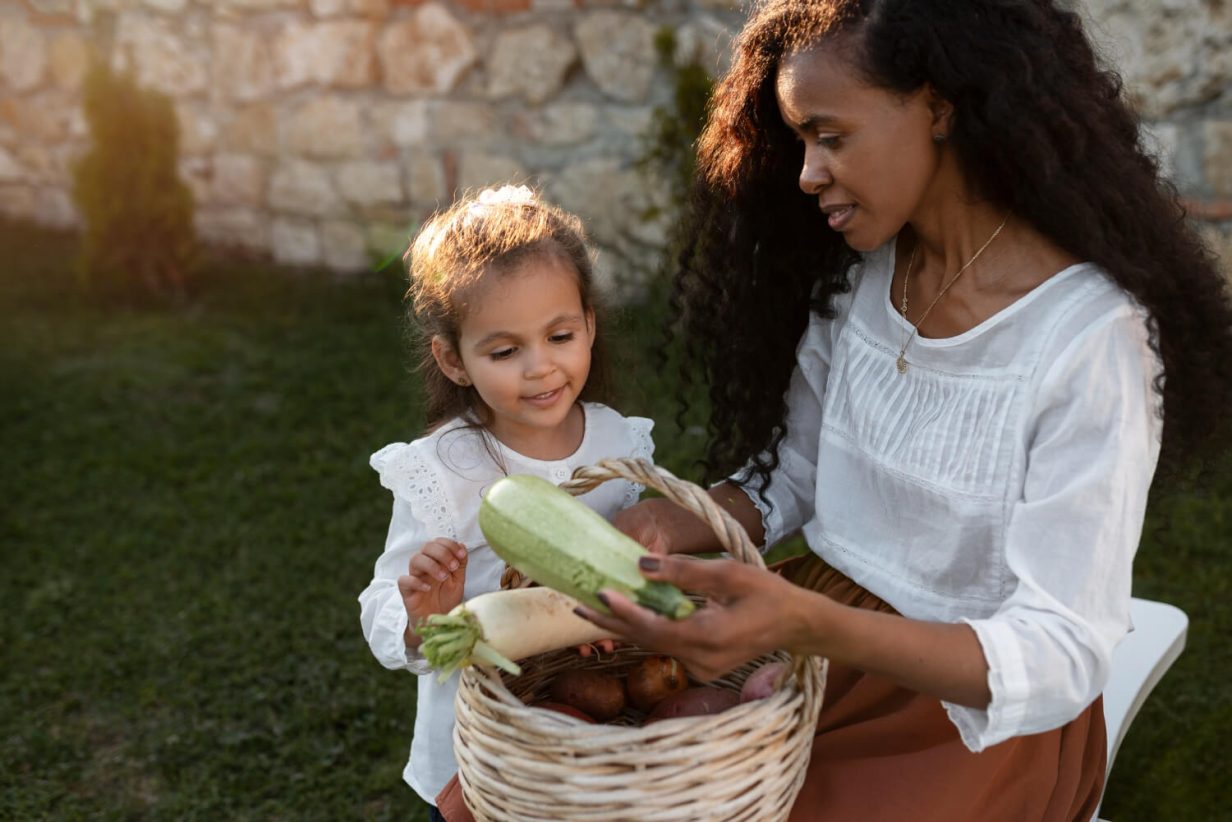
A crunchy mom practices natural parenting. She likely avoids processed foods and instead fills her kids up with organic veggies (possibly grown in her own garden), seeds, nuts, and plant proteins.
While most people consider crunchy moms (also known as a “crunchy mama”) to be fairly cool and harmless, adherence to the crunchy lifestyle can become extreme, such as avoiding vaccination and conventional medicine.
Where The Term Comes From
The term “crunchy mom” was first used in the early 2010s across parenting websites to describe mothers who followed a natural parenting style, similar to the hippie “granola” parents of the 1960s and 70s. Social media platforms like TikTok and Instagram have now made crunchy moms more visible and even inspirational.
What A Crunchy Mom Lifestyle Looks Like In Real Life
A crunchy mom typically takes a natural, holistic approach to a child’s health and lifestyle. She endorses breastfeeding and natural birthing, and her kids play with wooden toys instead of using screens.
You might be a crunchy mom if you avoid modern medicine unless necessary, co-sleep with your kid, spend time researching products for hidden toxins and chemicals, make your own baby food, and practice attachment parenting.
Common examples of “crunchy” behavior include shopping at farmers’ markets rather than supermarkets, wearing your baby in a sling, choosing homeschooling over traditional school, and using coconut oil instead of diaper cream.
Common Crunchy Parenting Choices
- Eating “whole” organic food and avoiding processed snacks and drinks
- Choosing herbal remedies and essential oils over conventional medicine
- Avoiding vaccinations
- Having a “natural” unmedicated birth, perhaps at home
- Using natural, non-toxic cleaning chemicals and skincare products
- Opting for cloth diapers rather than disposable ones
- Practicing babywearing, co-sleeping, and extended breastfeeding in accordance with attachment parenting styles
- Being sustainable and eco-conscious, reducing waste
- Banning or limiting screens
Silky Moms Explained
@rachonlife Replying to @themamahooch we love being silkies!!! #silkymom#nsilkymomclub #momsoftiktok #sahmsoftiktok #toddlermomsoftiktok ♬ original sound – rachel | millennial mom life
On the opposite end of the spectrum to crunchy moms, silky parents embrace a more modern approach that emphasises convenience.
The term is often used positively by women who are self-proclaimed “silky moms” committed to making their lives easier with processed foods, technology, and modern medicine.
Silky moms are usually comfortable with medical interventions, such as medicated births and vaccinations, and they trust experts like pediatricians and OBGYNs. They usually have a relaxed approach to screen time and are less concerned by organic ingredients or food labels.
Scrunchy Moms: Why the Middle Ground?
Посмотреть эту публикацию в Instagram
If crunchy or silky motherhood sounds a bit extreme, you might be more interested in a middle ground. Enter the “scrunchy” mom.
A scrunchy mom is a parent who blends the natural, holistic parts of “crunchy” parenting with more modern, convenient elements of “silky” methods, finding a balanced middle ground.
Scrunchy moms care about natural remedies and holistic living, but they can also be adaptable—combining organic choices with convenience foods and turning to medical support when needed.
When it comes to scrunchy parenting, decisions are usually more flexible than in “crunchy” families, with parents opting for what’s best for the family’s current situation rather than strictly adhering to a single ideology.
Scrunchy parents might emphasise a mostly healthy, organic diet but have pizza at the weekends, or combine screens with outdoor activities for balance and convenience.
Crunchy vs Silky vs Scrunchy Mom
| Crunchy Mom | Scrunchy Mom | Silky Mom | |
| Approach | Natural, holistic, eco-focused | Flexible: combines natural and modern approaches | Convenience-led and modern |
| Health & medicine | Prefers natural remedies to mainstream medicine. No vaccinations | Uses modern medicine but is open to natural alternatives | Trusts evidence-based medicine and medical professionals |
| Food & diet | Organic, homemade, minimally processed foods | Mostly home-cooked but open to processed food | Prioritizes ease and convenience: store-bought processed foods are fine |
| Baby feeding | Breastfeeding preferred | Breastfeeding or formula – whatever is easiest | Store-bought formula or breastfeeding is fine |
| Diapers | Cloth diapers | Cloth or disposable when convenient | Disposable diapers |
| Toys | Eco-friendly and wooden, minimal plastic or tech | Mix of eco and mainstream toys | Mainstream brands, plastic, tech |
| Birth preference | Home birth or freebirth | Open to hospital or home birth, depending on the situation | Hospital birth, with medical support welcomed |
| Screen time | Avoided or very limited | Flexible | Comfortable with screens |
Benefits of Crunchy Parenting
freepik / Freepik.com
Although crunchy parenting often gets a bad rap, there are a few benefits to the approach:
- attachment parenting, often practised by crunchy moms, can help to build a strong bond between mother and child. The approach has also been shown to improve emotional regulation and better peer relationships and schooling.
- Crunchy parenting has obvious environmental benefits due to its focus on sustainability and eco-friendly products.
- Crunchy families often spend a lot of time outdoors, which has clear mental and physical health benefits for little ones.
- Instead of opting for traditional meat products, many crunchy families eat plant-based diets, which have been shown to have health benefits such as lowering the risk of heart disease and diabetes later in life.
Downsides to Crunchy Parenting
There are also potential downsides to being a crunchy mom, such as:
- Crunchy parents tend to feel more burned out and isolated due to the pressure to keep up with an unconventional lifestyle, especially if they don’t have a like-minded support network.
- Crunchy moms may have less time by themselves or with their partner due to co-sleeping, babywearing, and attachment parenting, leading to feelings of overwhelm and a lack of individuality.
- While there is plenty of wisdom in a holistic, natural approach to medicine, being too extreme can put a child’s health at risk, especially when it comes to serious childhood illnesses that require vaccination or treatment.
- Children could become isolated due to parents’ “crunchy” lifestyles—i.e., not being allowed to eat sugary cake at birthday parties or play computer games with their friends—which can be bad for their mental health.
- Some crunchy parents advocate for raw milk consumption, believing it to be superior to store-bought or pasteurized varieties. However, raw milk can carry dangerous bacteria such as E.coli and Salmonella, which pose a high risk to young children.
Is Being Crunchy “Good” or “Bad”? (Spoiler: It’s Personal)
Being a crunchy mom isn’t inherently good or bad. As with all parenting approaches, there are benefits and potential downsides, and it’s up to you to decide what works best for your family and individual belief system.
Potential dangers associated with being a crunchy mom usually stem from extreme ideology around vaccines and natural remedies, as well as unsafe pregnancy and/or birth choices.
For example, some crunchy women promote unassisted home births, which can be perfectly safe in healthy and uncomplicated pregnancies, but could also carry risks to both mother and baby unless overseen by a doctor or midwife—especially for a first baby.
An extreme reliance on alternative medicine can also be dangerous, such as attempting to treat a serious infection without antibiotics.
Subtler dangers also include disordered eating for either you or your children, which can stem from overly restrictive approaches to food, as well as unsafe co-sleeping, medical misinformation, and isolation from other families.
However, if you take a balanced approach to crunchy parenting, adopting the positives such as healthy, organic foods, gentle parenting, and plenty of time outdoors, while being flexible when needed, there’s no reason to feel guilty or consider the crunchy lifestyle bad or wrong.
How to Choose Your Parenting Style Without Burnout
Parenting doesn’t come with a manual, and trying to follow someone else’s ideal can quickly lead to burnout. The key is to find a style that works for you, your husband, and your son or daughter, while leaving space for fun and flexibility. It’s okay if some days don’t go perfectly—the important thing is making choices that feel right for your family and your environment, rather than worrying about doing something wrong. Being honest about your energy, your priorities, and the resources you have at hand will help you choose a sustainable approach without feeling guilty.
Here are some practical ways to choose a parenting style without burning out:
- Be honest about your capacity: If you have multiple children, a high-pressure job, and/or no support network, you should probably aim to prioritize the simplicity and flexibility of scrunchy or silky parenting over the idealism of the crunchy approach.
- Clarify your non-negotiables: Choose what’s most important to you about family life (such as emotional safety, physical health, flexibility) and what’s less crucial (diet, academic achievement, environmental impact). This will help you align with the right parenting approach.
- Be flexible: Rather than deciding on a fixed label, consider your parenting style to be the “default” approach you take on normal days.
When you have low energy or someone in the family is sick, for example, you should be able to choose what you stop, and where your approach allows flexibility (i.e., temporarily allowing more screentime, or eating convenience food rather than cooking from scratch). - Check your online influences: It’s important to get real about the parents you follow online. Are they setting unrealistic expectations? Do their accounts show mess and hard days? Do you feel inspired after looking at their feed, or inadequate? Can you trust their information sources?
For more guidance on understanding the main parenting styles and which approach might suit your family best, check out our full article on main parenting styles.
Tools and Support for Crunchy Parents
Findmykids app
Crunchy parents may find support on online parenting platforms such as Netmums or in online discussion groups dedicated to sustainable, holistic, or natural parenting.
You may also come across like-minded parents out in the world at breastfeeding support groups, cloth diaper communities, or local sustainability hubs.
There are plenty of nature and outdoor-focused resources for families, such as the Children & Nature Network, which provides free toolkits focused on nature play and ecological learning. You may also find environmental groups in your area, as well as forest schools or outdoor play groups.
Things get a bit trickier when it comes to school-aged kids and teens. You may wish to seek out local eco clubs, youth sustainability clubs, and homeschooling groups, as well as practising emotional awareness and mindful parenting to help them navigate the challenges of growing up.
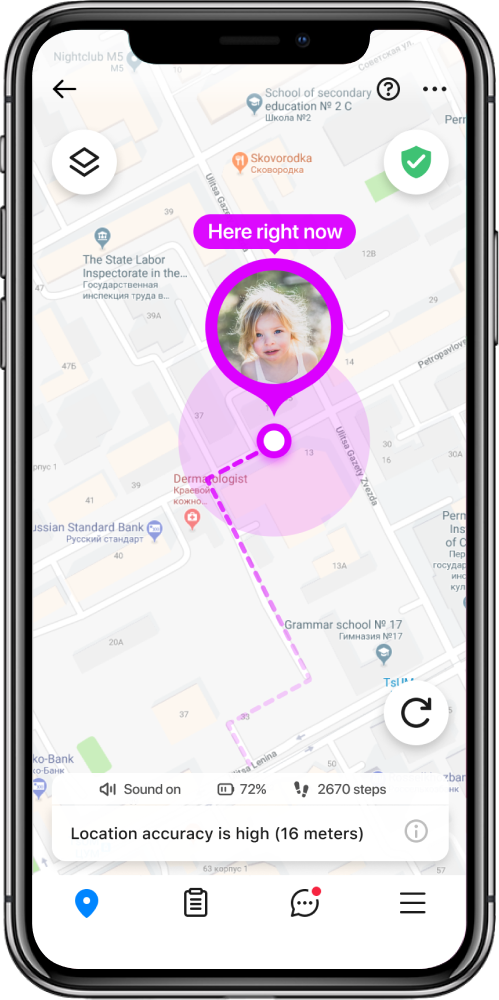
Many crunchy parents find they have to relax their screen-time limits when their kids get older, to allow teens to connect with their friends, engage in screen-based hobbies, and have more independence. With Findmykids, you can keep oversight of your child’s activities while giving them freedom, combining safety with independence.
Findmykids features:
- Set screen time limits: Control how much time your child spends on games, social media, or apps.
- Manage app usage: Decide which apps your child can use, keeping distractions under control.
- Track GPS location in real time: See exactly where your child is and get instant alerts if they leave or arrive at key locations.
- Location history: Review your child’s movements throughout the day, helping you understand their routines and ensure their safety.
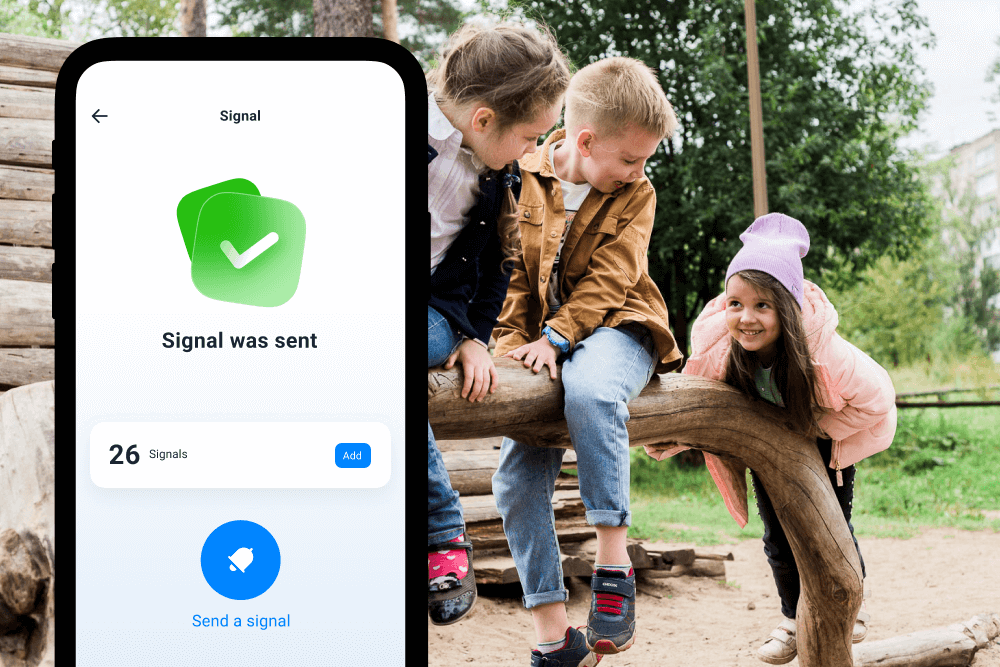
- Loud signal: Send a loud alert to your child’s device to get their attention immediately, even if they’re in a noisy environment or don’t notice notifications.
- Sound around: Listen to the surroundings near your child’s device for added peace of mind when needed.
- Geofencing: Get notified if your child enters or leaves specific zones, like school or a friend’s house.
Download the Findmykids app for free today and start balancing your child’s independence with safety. Try it now and see how easy it is to support your child while keeping your family life calm, organized, and fun.
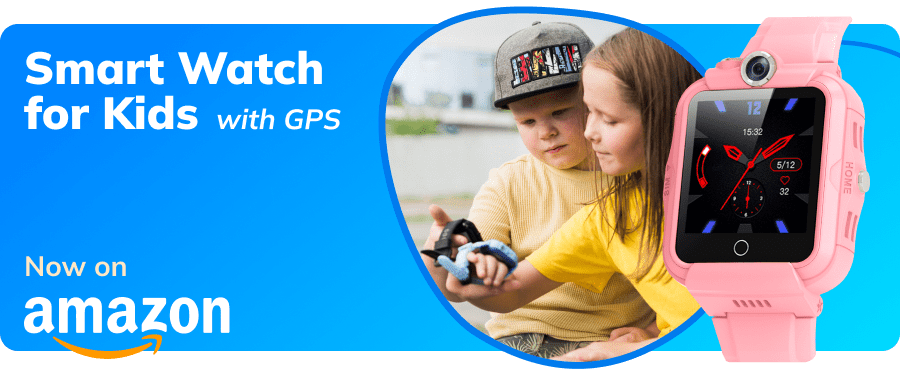
And if you don’t want your child to have a smartphone, you can get them a kids’ GPS watch that allows them to make audio and video calls, provide accurate GPS location, but without access to social media or the internet.
Parenting Approaches Should Be Adaptable, Not Set in Stone
Whether you’re a crunchy, scrunchy, or silky mom, the most important thing is that your parenting approach can adapt to your family’s needs. There are pros and cons at each end of the spectrum, and the right choice for you will be different than what your neighbor or friend chooses.
A balanced approach to parenting means you take the parts of crunchy, scrunchy, or silky parenting that resonate with you without getting caught up in the label.
The most important thing is that you do your best to ensure your child’s health and wellbeing, while being realistic that you will have challenging days where you may have to relax your expectations.
FAQs
What does crunchy mom mean?
A crunchy mom is a parent who embraces natural, holistic, and eco-friendly choices in raising their children. The term “crunchy” is derived from making granola, symbolizing a lifestyle that often includes organic foods, cloth diapering, and natural remedies. It reflects broader holistic choices that go beyond just food, encompassing many aspects of parenting and daily life.
What is crunchy parenting?
Crunchy parenting refers to a style that prioritizes natural living, such as breastfeeding, babywearing, and using non-toxic products. This approach is shaped by how parents navigate the world around them, making choices that align with their values in the context of modern society and its influences.
What is a silky mom?
A silky mom typically prefers mainstream or conventional parenting methods, such as using disposable diapers, formula feeding, and following standard medical advice. This style often embraces the conveniences and advancements of the modern world.
What is a scrunchy mom?
A scrunchy mom blends both crunchy and silky parenting styles, choosing what works best for her family from each approach. She adapts her parenting to fit her unique situation and the realities of the world she lives in.
Is crunchy parenting anti-medicine?
Crunchy parenting is not inherently anti-medicine. Many crunchy parents value natural remedies but also consult healthcare professionals and use conventional medicine when needed. Always talk to your doctor about any health decisions for your child.
Does crunchy mean no screen time?
Not necessarily. While some crunchy parents limit screen time to encourage outdoor play and creativity, others may allow it in moderation. Each family decides what works best for their children in today’s digital world.
Can you be crunchy with formula or a hospital birth?
Yes, being crunchy is about making holistic choices that fit your family’s needs. You can still identify as a crunchy mom if you use formula or have a hospital birth. The label is flexible and recognizes that every family’s journey is different.
What’s the difference between crunchy mom and crunchy mama?
There is no significant difference—both terms refer to parents who make natural, holistic choices. The choice of “mom” or “mama” is often a matter of personal preference or cultural background.
Are labels like “crunchy mom” helpful?
Labels can be comforting when they offer a sense of identity, belonging, and connection in the often isolating world of early motherhood. However, they should be used as a guide, not a strict definition, and every parent’s journey is unique.
Cover image: freepik / Freepik.com
Проверьте электронный ящик