
















Parenting is a full-time job—and an exhausting one at that. Between taking care of the kids and entertaining them, parental burnout is extremely common, especially for working parents.
Enter horizontal parenting to save the day (and your sanity). In this article, we’ll explore the newest social media parenting trend and how it’s designed to entertain kids and engage with their children without burning out.
Contents:
- What Is Horizontal Parenting?
- Common Misconceptions About Horizontal Parenting
- Benefits of Horizontal Parenting
- Challenges and Considerations of Horizontal Parenting
- Horizontal Parenting vs. Other Parenting Styles
- Practical Tips for Tired Parents
- Hilarious Games to Play That Keep Kids Engaged
- Supporting Independence Safely
- FAQs
What Is Horizontal Parenting?
At its core, horizontal parenting is a low-energy way parents can interact with their children in a resting position—like lying down horizontally on the ground. While it isn’t a formal parenting style, it has recently caught the attention of Millennial parents.
The trend of horizontal parenting began with Elkey Zandstra (@thezandstras on TikTok), who shared a viral TikTok video of her husband’s approach to entertaining their kids. In the video, he creates a life-size game of Operation with a cardboard cutout and fake organs. He then lies down and has his daughters “operate” on him, as if they were playing the actual game.
@thezandstras Has anyone played “Operation” board game? I never did but apparently this was inspired by that game 🤣 Not gonna lie, this is an advanced horizontal parenting idea because it requires some prep work, but Emray really loved it!! #kidsactivities #dadlife #horizontalparenting ♬ Nice and Easy – Louis Adrien
However, the idea was first introduced by award-winning author Michelle Woo (from Southern California) in her book Horizontal Parenting: How to Entertain Your Kid While Lying Down, illustrated by Dasha Tolstikova. It offers practical advice for overworked parents and caretakers of kids ages 2 and up. It has 50 classic and new games, such as “What’s On My Butt?” and “Hide and Seek-ish.” These amusing games make parenting easier and help them master the sanity-saving art of horizontal parenting.
The principle of horizontal parenting is that parents are allowed to rest and still connect with their children. They don’t need to be performing 24/7 to be a good parent. Lying on the floor while still playing with your children is a form of parenting that lets you have fun with your kids.
Horizontal Parenting in Daily Life
Horizontal parenting works best when it’s woven into everyday life—not relied on as the sole parenting method.
For example, after a hard day at work, parents may come home and want to spend time with their children, but their energy is especially low. In this case, they might find activities that can be done on the floor.
Activities include child-led play, where the child tells you what to do with figurines or cars. It could also mean reading together in a relaxed seated position—let your child turn the pages, pause when they ask questions, and act out the characters.
Before engaging in horizontal parenting activities, make your boundaries clear to your child. Saying “I’m lying down, but I’m still listening,” confirms that you are there and engaged, but need to rest.
Why People Love Horizontal Parenting Ideas
Firstly, the reason people love horizontal parenting is that it feels like a relief in the era of modern parenting that everyone needs. There is so much pressure to always entertain your kid that it can feel like a parenting marathon. And for tired parents who work full-time and don’t have the energy for highly engaging activities at the end of the day, it’s a way to still spend quality time with their children.
In the marathon of modern parenting, it can feel like parenting is performative. Parents always need to be “on” and look like they have everything together. But it’s an unrealistic standard to live by.
Horizontal parenting gives overworked parents and caretakers permission to be human. It lets them know it’s okay to take precious minutes to rest and still let their kids play and engage with them.
It’s an easy, fun way to entertain your kids while you lie on a comfortable surface, taking time to rest and recuperate after a long day.
Common Misconceptions About Horizontal Parenting
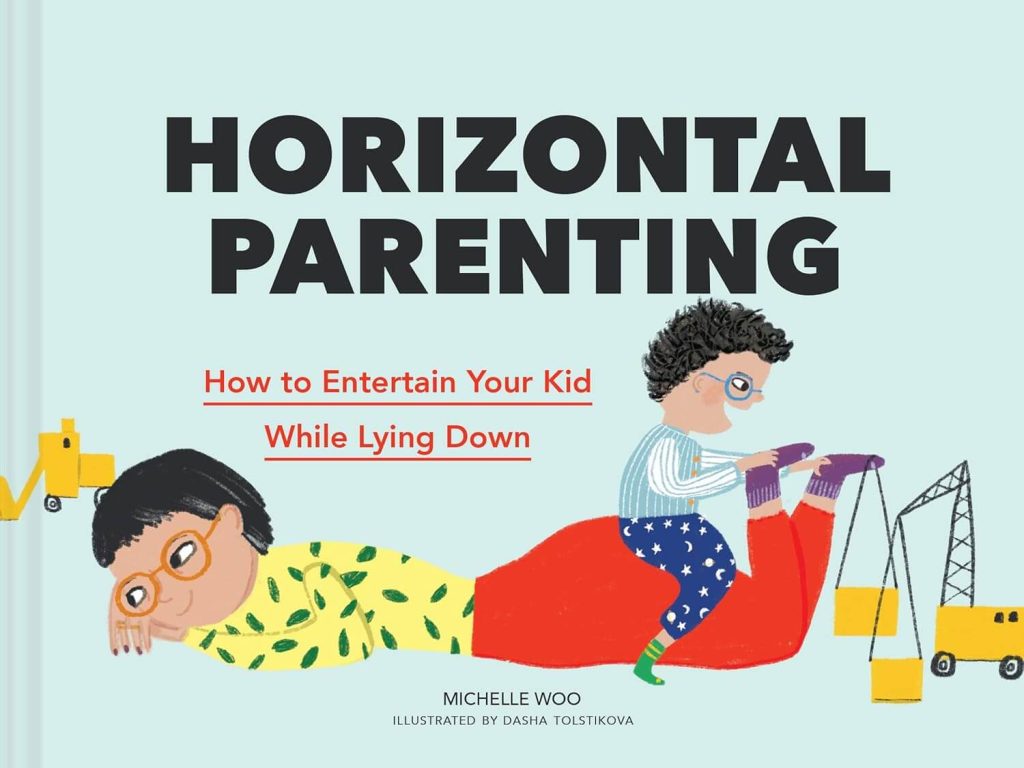
Horizontal Parenting: How to Entertain Your Kid While Lying Down Hardcover by Michelle Woo (Author), Dasha Tolstikova (Illustrator). Credit: amazon.com
As with any new trend, there are misconceptions about horizontal parenting. Below, we’re debunking the most common misconceptions.
Misconception #1: It’s Just Lazy Parenting
This is probably the biggest misconception about horizontal parenting. The reality is that it isn’t about “checking out” and letting your kids do wild. It’s an intentional way to conserve energy while staying present by responding, listening, and engaging with your kids.
Misconception #2: You’re Letting Kids Run the House
Horizontal parenting is used during playtime and moments where parents can connect with children. It isn’t used for discipline, routines, or safety. Instead, horizontal parenting can be used alongside other parenting styles and methods that focus on structure.
Misconception #3: It Replaces Real Parenting Methods
If you were to replace parenting methods with horizontal parenting, it wouldn’t be very effective. Instead of seeing it as a parenting style, you should look at it as a tool to use when you need to rest but still engage with your children.
Misconception #4: Kids Need Constant High-Energy Entertainment
It’s true that kids need stimulation and energetic activities, but it should be balanced with child-led play. This type of entertainment supports independence, creativity, and problem-solving—all important developmental skills.
Benefits of Horizontal Parenting
Horizontal parenting isn’t just a social media parenting trend. It holds numerous benefits for both parents and children alike.
Reduces Burnout and Overstimulation
Parents, aunts, uncles, and caretakers—whoever is looking after and raising children—are at risk of burnout and overstimulation. Between constantly taking care of and entertaining children and other adult responsibilities, burnout can happen faster than you think.
But the best way to ensure you’re giving your children the best part of yourself is to take care of yourself. Horizontal parenting can help you conserve energy, get the rest you need, and still spend quality time with your children.
Encourages Self-Regulation in Parents
No parent’s perfect. When parents take time to slow down and lower stimulation, it naturally calms the nervous system. And when a parent is calmer, they can respond more thoughtfully to children without losing their patience or temper. Overall, it creates a more peaceful environment, allowing children to thrive.
Encourages Independent, Child-Led Play
Horizontal parenting can help children develop lifelong skills like independence and problem-solving. With child-led, effective activities designed to entertain, they get to use their imagination and often stay engaged longer. But the plus of horizontal parenting is that you’re still there to engage and make memories with your kids.
Stronger Connection in Small Moments
Horizontal parenting involves low-energy activities, but it’s a way to build strong connections between parents and children. These small moments can strengthen relationships and help parents and kids feel emotionally connected.
Challenges and Considerations of Horizontal Parenting
The practice of horizontal parenting isn’t 100% perfect. There are still some challenges and considerations.
Doesn’t Address Discipline or Boundaries
Discipline in children is important for setting boundaries and expectations. However, horizontal parenting focuses more on connection, not structure. So, it’s important to pair with clear boundaries. If necessary, parents may need to switch quickly between horizontal parenting and discipline.
High-Energy Kids May Need More Movement
Every child is different, and some use active play to regulate. For high-energy children, horizontal parenting could lead to frustration and boredom, which could spill into rougher behavior. In these cases, parents need to identify when horizontal parenting is effective and when their child needs physical activity.
Overuse Can Lead to Avoidance
Parents could start to rely on horizontal parenting activities to avoid structured playtime, setting boundaries, or having difficult conversations. They could also fall into a habit of checking out and staying on their phones during a time when they should be engaging with their children.
Horizontal Parenting vs. Other Parenting Styles
Skyline Graphics / Shutterstock.com
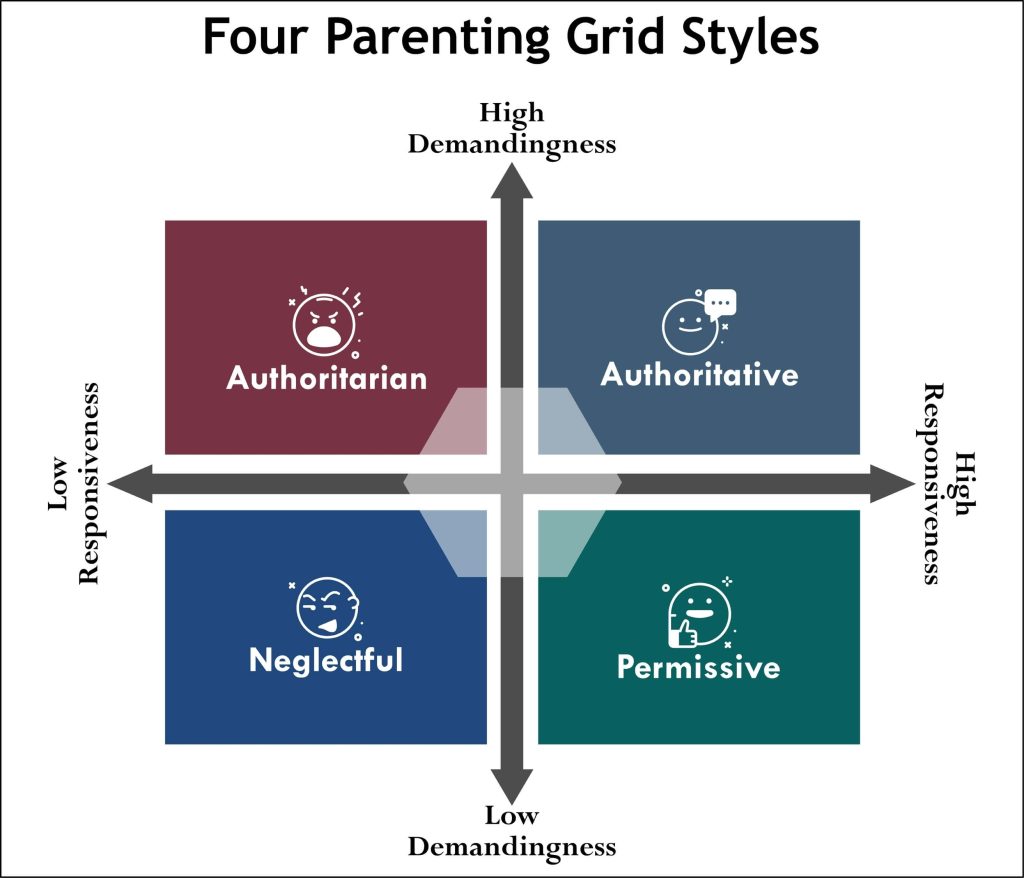
Remember, horizontal parenting isn’t a parenting style, but a tool that you can use. Nevertheless, below is a comparison between horizontal parenting and the most popular styles.
| Parenting Style | Core Focus | Parent Energy Level | Boundaries & Discipline | Emotional Connection | How It Feels to Kids |
| Horizontal Parenting | Sustainable connection and rest | Low | Not inherently defined | High when done well | Calm, safe, independent |
| Authoritative | Balance of warmth and structure | Medium-High | Clear and consistent | High | Secure, supported, guided |
| Authoritarian | Obedience and control | High | Very strict | Low | Controlled, anxious, compliant |
| Permissive | Freedom and leniency | Medium | Minimal or inconsistent | High | Loved but sometimes unsure |
| Uninvolved | Minimal involvement | Low | Little to none | Low | Disconnected, unsupported |
⠀
Horizontal parenting isn’t about giving up authority. It’s about staying connected without burning out.
Practical Tips for Tired Parents
Horizontal parenting is only effective when done correctly. If you’re thinking of adopting this approach, then make sure to read the tips below:
- Pick one low-pressure time of day to engage in horizontal parenting activities.
- Stay emotionally “on” even if you’re physically still.
- Let your child lead playtime.
- Use simple language to set expectations with your child.
- Pair horizontal parenting with movement at other moments during the day.
- Pay attention to how your child responds and whether they need more engagement.
- Remind yourself that resting doesn’t mean you’re doing less.
- Use horizontal parenting on the hardest days, like when you’re sick, mentally drained, or everyone needs a reset.
- Combine it with clear structure during the day, like meals and bedtime.
- Have a list of hilarious and effective activity ideas prepared for when you need some time to relax.
Hilarious Games to Play That Keep Kids Engaged
Horizontal parenting activities don’t need to be intricate games. You can use a few household items and classic games alongside funny and fresh twists to keep young kids entertained.
Below are creative and practical activities and hilarious games to do with this new, super-simple parenting hack:
- Bring-Me-a-Toy Play: Your child brings toys to you one at a time while you lie on the floor. You comment, ask questions, or respond to your child, but make sure they’re in charge of what happens next.
- Stuffed Animal or Doll Conversations: Let your child give personalities and make up stories for toys. Parents listen, ask questions, and respond as another character without leading the narrative.
- Side-by-Side Reading: Lying on the floor or couch, read with your child, letting them turn pages, skip sections, or talk about pictures.
- Doctor, Vet, or Salon Pretend Play: You become the patient or customer for kids while lying down or resting. Kids love being in control, and parents don’t have to move.
- Sensory Play Supervision: Set up playdough, kinetic sand, or a sensory bin and observe your child play with it. Engage when invited to let your child know you’re there.
- Teach-Me Play: Ask your child to teach you how something works. Kids love to explain, and it builds confidence in them.
- Human Racetrack: Take an old t-shirt and draw a racetrack on the back of it. Give your kids toy cars and let them race on the track. It lets you lie down and gives you a fun massage. Another version of this is to create a giant railroad on the t-shirt and use toy trains instead of cars.
Supporting Independence Safely
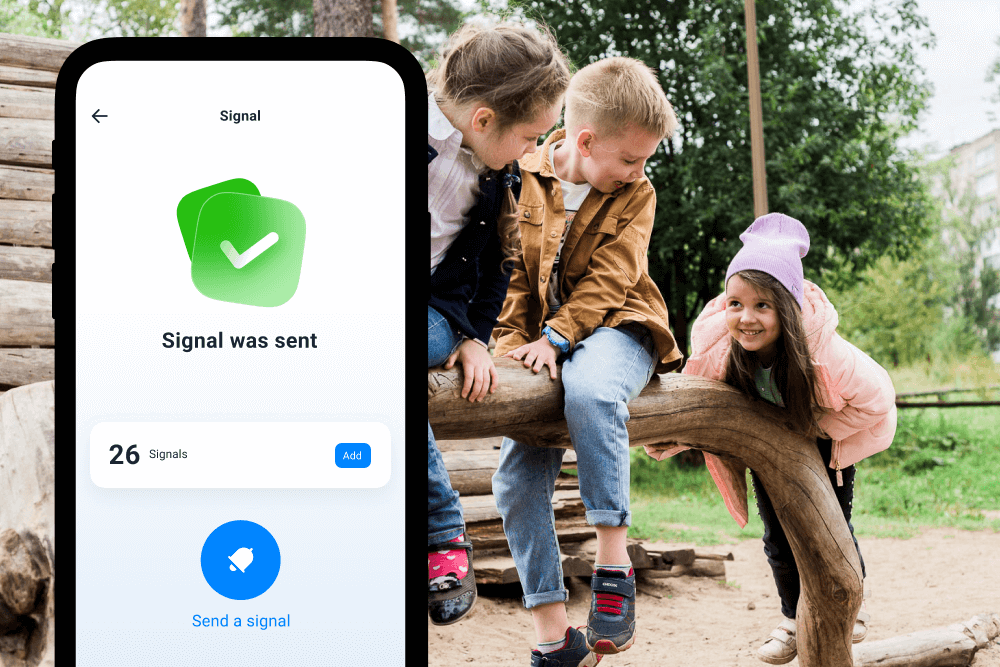
Findmykids app
Incorporating horizontal parenting into your routines helps build children’s confidence and independence through child-led play. But when independence becomes more prevalent in your child as they grow older, parents are sometimes lost at how to encourage it while still keeping their kids safe.
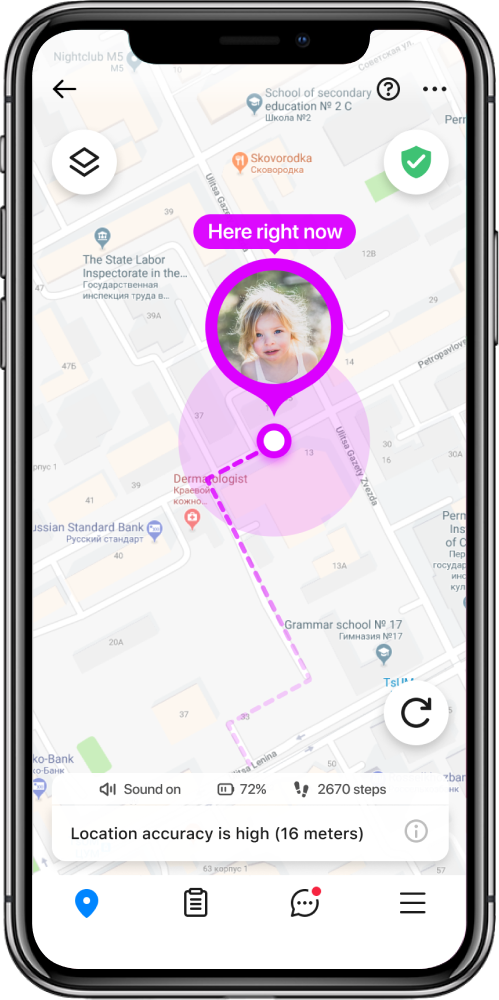
That’s where parental control apps like Findmykids can make it easy. With Findmykids, parents have access to their child’s real-time location. They can also set alerts for Safe Zones, such as school or a family member’s house, and receive notifications when their child arrives or leaves. Additionally, kids have access to an SOS button, so that if they are in an emergency situation, parents and emergency personnel are contacted.
Independence and safety stretch beyond letting kids ride their bikes to a friend’s house. It also transfers over to your child’s mobile devices. With Findmykids, parents can set screen time limits to help their children build healthy digital habits. They can also access detailed reports of what apps their children use and how long they spend on them.
Want to support your child’s independence while staying connected? Download Findmykids for free and try it to see how it can help you keep your child safe—without getting in the way of growing up.
Will You Introduce Horizontal Parenting Into Your Parenting Style?
Now that you know more about what horizontal parenting is and the core idea behind it, will you begin introducing lying-down activities to your child’s playtime after a long day?
If you found this article helpful or enlightening, make sure to share it with a friend who could also use some rest time while still engaging with their children. And don’t forget to download the Findmykids app to encourage independence while still keeping your child safe.
FAQs
What is horizontal parenting?
Horizontal parenting is a low-energy play strategy where adults stay lying down—on a bed, couch, or floor—while children engage in simple, creative games around or on them. It’s often used by overworked parents and caretakers or those who are tired or chronically ill, allowing them to stay present while conserving energy.
Instead of relying on endless supply lists of activities, this approach offers practical advice for overworked parents: small, imaginative play ideas like turning a back into a car track or pretending to be a “doll” for hairdressing. For many overworked parents, horizontal parenting reflects what modern parenting everyone needs—a way to bond, stay connected, and reclaim precious minutes to rest without physical strain.
What do you need to try horizontal parenting at home?
Very little. Horizontal parenting is a parenting hack that works with a few household items and a willingness to play with your kid while lying down. A couch, bed, or floor becomes the stage for hilarious games that can offer hours of play, all driven by your child’s imagination—not supplies or setup.
What is the healthiest parenting style?
The healthiest parenting style is authoritative parenting, which combines emotional warmth, consistent structure, and open communication. This approach encourages independence while maintaining clear boundaries, allowing children to develop self-regulation, confidence, and resilience. Unlike authoritarian or permissive styles, authoritative parenting uses positive discipline and mutual respect, leading to better emotional, academic, and social outcomes in children.
Cover image: Natalia Deriabina / Shutterstock.com
Проверьте электронный ящик