














One of the latest new apps to gain popularity among teens is Yope. Naturally, many parents ask the same question: Is Yope safe? Understanding how the photo sharing app works—and what risks may exist—can help families decide whether it’s appropriate for their children.
Contents:
What Is Yope and How Does It Work?
App Store
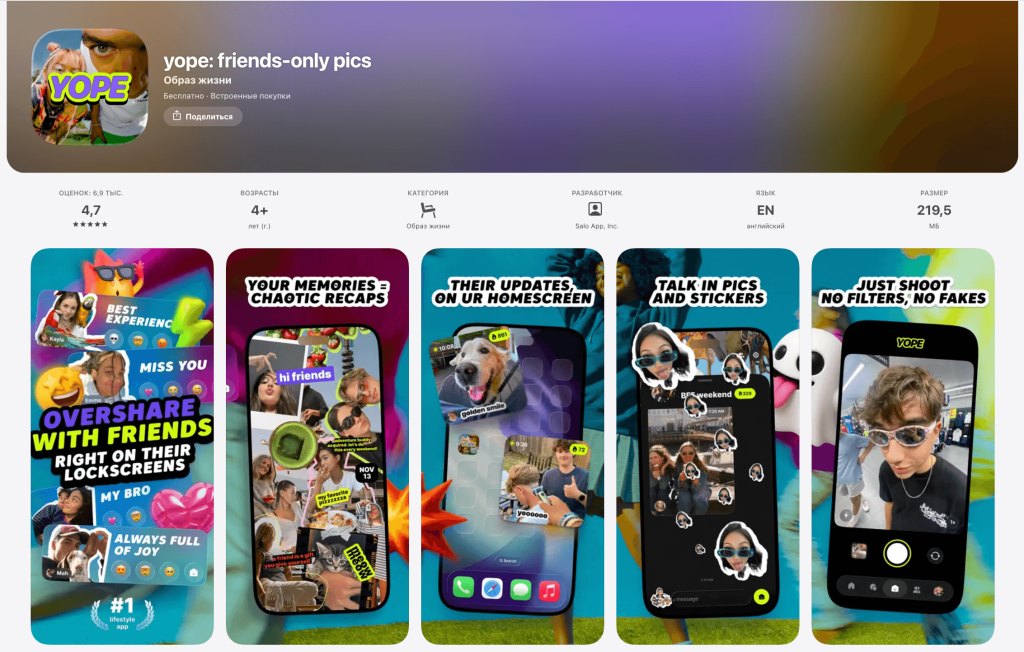
The Yope app is a photo-sharing app designed for small groups of friends. Instead of broadcasting content to a public feed like many social media platforms, Yope focuses on sharing photos, images, and short videos within a limited circle of people.
Users can create a group with close friends and post photos, which appear instantly in the group chat. Users can react, comment, or chat around the shared images. The app’s main functions feel like a mix between Instagram and messaging apps.
This style of photo chat is one reason for the app’s popularity among teens. Many say it feels less performative than traditional social media, where likes, followers counts, and algorithms can create pressure to look perfect.
Private Groups
Instead of sharing content publicly, Yope organises people into small group spaces. Each group acts like a private album where members can post updates and connect through photos and videos.
according to reporting by TechCrunch, the app has millions of active users and has grown rapidly among young people because of its focus on sharing daily moments with a trusted group rather than a wide audience.
For teens, this type of environment can feel safer than mainstream social media platforms.
Lock Screen / Home Screen Sharing
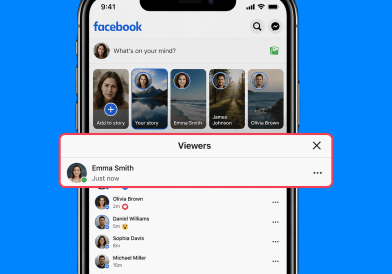
One feature that stands out is the lock screen widget. When a friend posts a new photo, it can appear directly on other friends’ lock screens through the widget.
This means users may see new pictures or images without even opening the app. For friends, this can create a fun way to stay connected throughout the day—but it also means content spreads instantly.
Delayed Posting and Less “Performance Pressure”
Yope was created partly as a reaction to highly curated social media. The app emphasises sharing authentic moments rather than filtered, retouched photos.
Because there is no public feed and no follower counts, some users report feeling less performance pressure when they post. In theory, this can encourage healthier social media use, especially for teens who may feel judged on larger platforms.
Age Restrictions and Sign-Up: Can Underage Users Join?
Like many social apps, it’s free, and all you need is a phone. To create an account, users download Yope from Google Play or the Apple App Store and sign up with a mobile phone number. They are then given the option to add basic details such as a username, email address and links to other sites.
There is no ID check or biometric age estimation. A recent investigation demonstrated how weak this can be: “journalists were able to create a Yope account for a fictional four-year-old without parental consent or age checks.”
Most major social media platforms, including Instagram, say they comply with legal requirements, whereby users must be over 13 years old. Yet research consistently shows that underage users still join platforms by entering a fake birthday or using a parent’s device. A recent report by Ofcom found 86% of children aged 10–12 have their own social media profile.
For parents, this makes conversations about safe social media use especially important.
Is Yope Safer Than Instagram or Snapchat?

Following the news from Australia that under-16s were to be blocked by all social media, one article published in The Guardian cited Yope’s cofounder and chief executive, Bahram Ismailau, as declaring “Yope is fundamentally as safe as iMessage or WhatsApp.”
When parents compare Yope with apps like Instagram, it can seem safer at first glance. Yope does not have many of the features of several more established alternative apps.
| Platform | Public Feed | Influencer Culture | Algorithmic Discovery | Advertising Feeds |
| Yope | X | X | X | X |
| ✔️ | ✔️ | ✔️ | ✔️ | |
| TikTok | ✔️ | ✔️ | ✔️ | ✔️ |
| X (Twitter) | ✔️ | ✔️ | ✔️ | ✔️ |
| ✔️ | ✔️ | ✔️ | ✔️ | |
| YouTube | ✔️ | ✔️ | ✔️ | ✔️ |
| Snapchat | ✔️ | ✔️ | ✔️ | ✔️ |
| ✔️ | ✔️ | ✔️ | ✔️ |
⠀
This private design can reduce exposure to strangers and viral content, which are common risks on larger platforms. However, “private” does not always mean completely safe.
Studies on social media and adolescent well-being show that even closed group environments can create social dynamics like comparison, exclusion, and peer pressure.
Main Risks Parents Should Know
While Yope may feel safer than some social media platforms, parents should still be aware of the potential risks.
Contact Access and Permissions
Like many social apps, Yope may request access to personal data, including contacts and photos.
Granting access to phone contacts allows the app to recommend friends automatically. But it also means personal data may be processed or stored.
Parents need to review permissions carefully to understand the app’s approach to data privacy.
Read also: How to Protect Personal Information Online in Your Family.
“Private” Doesn’t Mean Safe
Even in a private group, any user can take a screenshot of shared images, photos, and what’s written. Research on teen online behaviour shows that content originally shared with friends can easily spread far beyond its intended audience.
Streaks and Posting Expectations
The app includes streak features that reward users who post daily photos. While this may seem fun, some teens sense that if they miss a day, their engagement might fall, encouraging them to post about moments that might otherwise remain private.
Bullying in Closed Groups
Closed groups can sometimes amplify social dynamics.
For example, teens might feel pressure to post every day to maintain streaks or participate in ongoing group chats. Some may feel left out if their content isn’t as “liked” and commented on as others.
Research suggests that these small social cues—likes, comments—can influence adolescent self-esteem and well-being.
In some cases, closed groups can also become spaces where teasing or exclusion happens as kids team up on each other without adult visibility.
How to Make Yope Safer: A Checklist for Families

Findmykdis app
If your child wants to use Yope, a few simple steps can help reduce potential risks.
| Action | How |
| Talk about social sharing boundaries | Encourage children and teens to think before they post photos, pictures, or videos. A helpful rule: never share images that could cause embarrassment if someone takes a screenshot. |
| Review privacy settings together | Check which phone contacts, photos, or other data the app can access. |
| Discuss group culture | Ask your child who is in their group and how they know them. Talking openly about online friendships helps parents stay informed. |
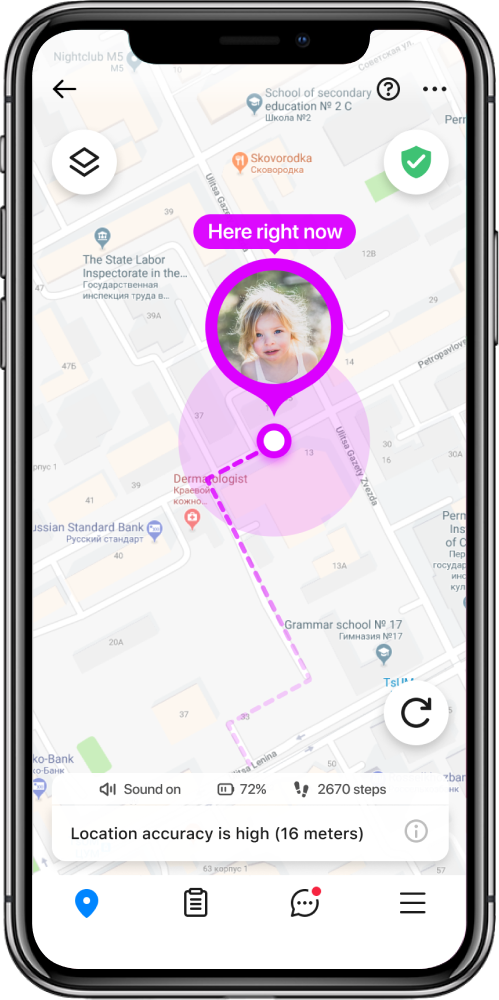
| Monitor screen time and app use | Many teens spend several hours a day on social apps without realizing it. Tools like the Findmykids app help you see which apps your child uses most and how much time they spend in them.
This kind of visibility helps you spot patterns early and start more grounded, specific conversations—not just “you’re always on your phone,” but what exactly is taking their time. This can give families better visibility into social media use without constant supervision. |
| Step in when needed with app blocking | If one app starts taking over, you can temporarily block it to help your child take a break and reset their screen habits. With Findmykids, this can be done in just a few taps, making it easier to step in right when it matters most. This is especially useful during homework time, at night, or when screen time begins to affect mood or sleep. |
| Keep conversations ongoing | Regularly talk with your child about their experiences on social media. When teens feel comfortable discussing online life, they are more likely to share concerns or report problems. |
Read also: Recommended Screen Time for Kids: How Much Is Healthy by Age.
What Parents Should Remember About Yope
Yope reflects a growing shift in social media toward smaller, more private spaces where friends share everyday moments. While this design can reduce exposure to strangers and public audiences, it does not remove common online risks such as screenshots, peer pressure, or oversharing personal photos.
Parents don’t necessarily need to ban the app to keep their children safe. Instead, understanding how the platform works—and regularly checking in and offering advice about what happens in their online groups—can make a big difference. With clear boundaries, supportive guidance, and tools like the Findmykids app, families can help teens navigate new social platforms safely.
FAQs
What is the Yope app and how does it work?
Yope is a photo-sharing app where users create small groups of friends and exchange photos, images, and videos through photo chat and group chat. Posts can appear on a lock screen widget, allowing friends to see updates instantly.
Is the Yope app safe?
The app carries common online risks, including screenshot sharing, social pressure, and potential data privacy concerns.
Is Yope safe for teens?
Parents should educate teens about the risks of sharing photos, respectful chat behaviour, and avoiding oversharing personal content.
Is Yope safe for kids or underage users?
As 13 is the suggested minimum age, the Yope app may not be appropriate for younger children. Parents should review any account carefully and ensure their child understands online safety.
References
- Yope is sparking Gen Z (and VC) interest with an Instagram-like app for private Groups, Aisha Malik, TechCrunch, 2025
- Teens hoping to get around Australia’s social media ban are rushing to smaller apps. Where are they going?, The Guardian, 2025
- Children and Parents: Media Use and Attitudes Report, Ofcom, 2025
- It’s Complicated: The Social Lives of Networked Teens, Danah Boyd, Yale University Press, 2014
- Annual Research Review: Adolescent mental health in the digital age, Odgers, C. & Jensen, M. Journal of Child Psychology and Psychiatry, 2020
- Transformation of Adolescent Peer Relations in the Social Media Context, Nesi, J., Choukas-Bradley, S., & Prinstein, M., Developmental Psychology, 2018
Cover image: yope.app
Проверьте электронный ящик