
















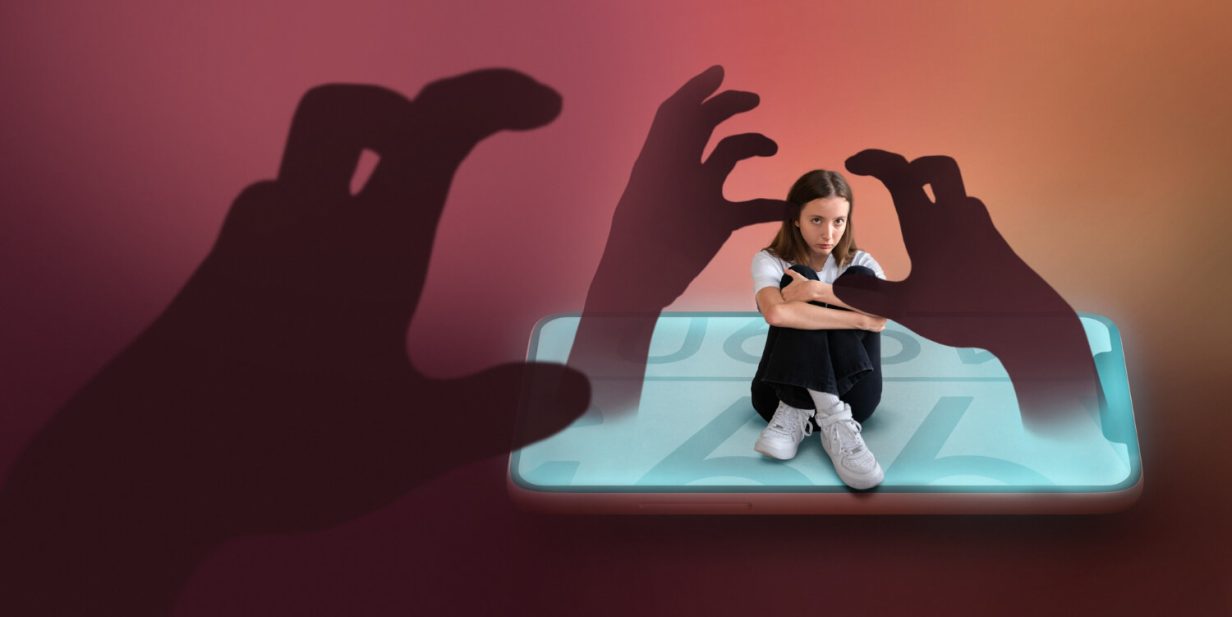
Children with nomophobia—an intense fear of being without access to mobile phones or network coverage—are increasingly vulnerable to psychological harm and behavioural problems. “Pathological use of smartphones may be the biggest non-drug addiction of the 21st century” (Mach et al. 2020), so what can parents do to limit the risks?
Contents:
- Fear of Being Without a Phone: What is Nomophobia?
- Signs Your Child May Have Nomophobia
- Why Does Nomophobia Happen?
- Who Is Most at Risk?
- Real-Life Consequences of Nomophobia
- How Parents Can Help Overcome Nomophobia
- Using Apps to Support Digital Wellbeing
- How to Tell If Your Child’s Phone Use Is Becoming a Problem
- FAQs
Fear of Being Without a Phone: What is Nomophobia?
kuprevich / Freepik.com
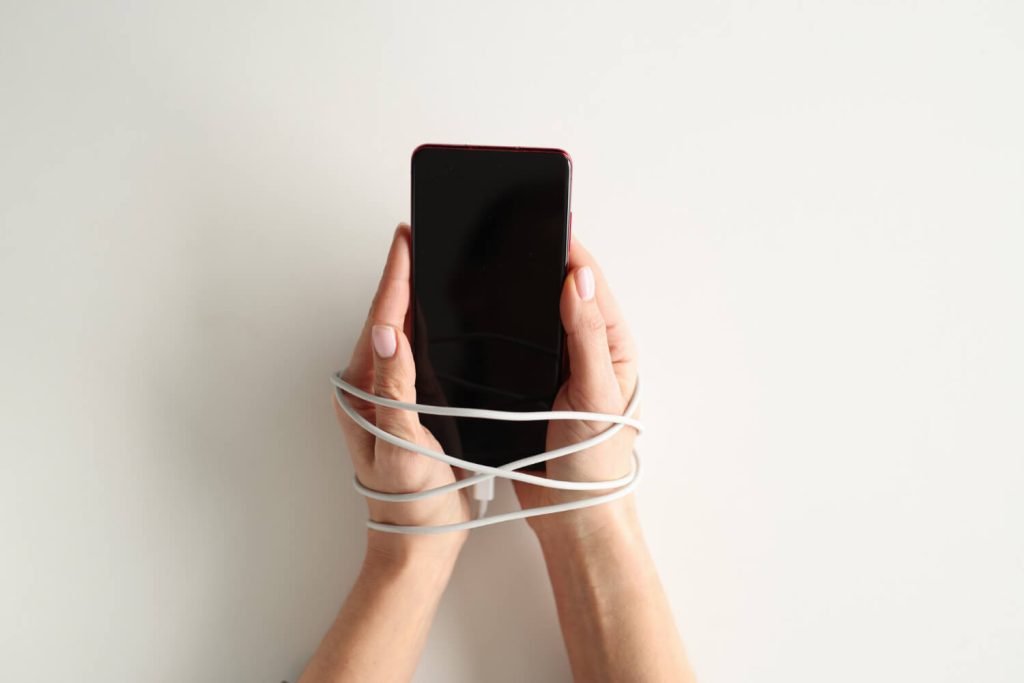
Nomophobia is a constructed term derived from “no mobile phone phobia,” referring to the fear of being without access to mobile phones. Although not officially classified as a specific phobia, research puts it within anxiety-related phobia frameworks.
Negative impacts of nomophobia in children include:
- Fear of missing out (FOMO)
- Validation-seeking behaviours
- Anxiety disorders
- Emotional dysregulation
- Dependency
A mobile phone research study across multiple countries suggested moderate to severe nomophobia symptoms are already widespread, particularly among adolescents, college students and young adults.
Findings looking at thousands of participants around the world confirmed that 50% of individuals reported suffering from moderate nomophobia symptoms and 20% reported severe symptoms, with university students and young adults showing particularly high rates.
Nomophobia can be avoided with healthier habits surrounding digital devices at home. Evidence-based strategies include implementing gradual limits, offering emotional reassurance and modelling healthy phone use.
Signs Your Child May Have Nomophobia
Children prone to anxiety or who have a history of panic disorders may be especially vulnerable to intense fear when disconnected from their mobile devices. Several psychological factors contribute towards nomophobia; parents need to watch out for warning signs.
| Behavioural Symptoms | Physical Symptoms |
| Anxiety or signs of panic disorders emerge when the phone is unavailable, dead, or out of signal | Restlessness, fidgeting, or agitation when separated from the phone |
| Irritability or mood swings during phone limits | Increased heart rate or shallow breathing during phone absence |
| Constant checking for messages, notifications, or social media updates | Headaches, eye strain, or tension from excessive mobile phone use |
| Difficulty concentrating on schoolwork, chores, or offline activities | Sleep disturbances—trouble falling asleep, staying asleep, or waking early due to phone notifications |
| Over-reliance on the phone to cope with boredom or relieve daily stress | Fatigue or low energy caused by late-night excessive use or constant connectivity |
| Avoidance of face-to-face interactions in favour of screen time | |
| Fear of missing out (FOMO)—worrying about not knowing what friends are doing |
Healthy vs. Unhealthy Mobile Phone Use Habits
Healthy internet use includes educational or social activities in moderation, while internet addiction involves compulsive checking, endless scrolling, or gaming. Identifying healthy and unhealthy mobile device habits is the first step in combating severe cases of nomophobia.
| Healthy Habits | Unhealthy Habits |
| Phones are used as tools for communication, learning, or organisation | Phones become emotional lifelines for comfort, reassurance, or distraction |
| Can put the phone away without distress or strong emotional reactions | Panic, anger, or anxiety when access is limited or the phone is unavailable |
| Checks the phone with a clear purpose (message, task, information) | Constant checking without purpose or awareness |
| Comfortable being offline for periods of time | Strong fear of missing out (messages, updates, notifications) |
| Maintains balanced offline activities (school, hobbies, socialising in person) | Uses the phone to avoid boredom, stress, or difficult emotions |
| Uses the phone at appropriate times (after homework, outside of sleep hours) | Uses the phone late at night or during inappropriate moments (meals, class, bedtime) |
| Sleep is largely unaffected by phone use | Sleep is disrupted by late-night scrolling or notifications |
| Phone use supports independence and responsibility | Phone use interferes with school, routines, or family relationships |
Why Does Nomophobia Happen?
freepik / Freepik.com
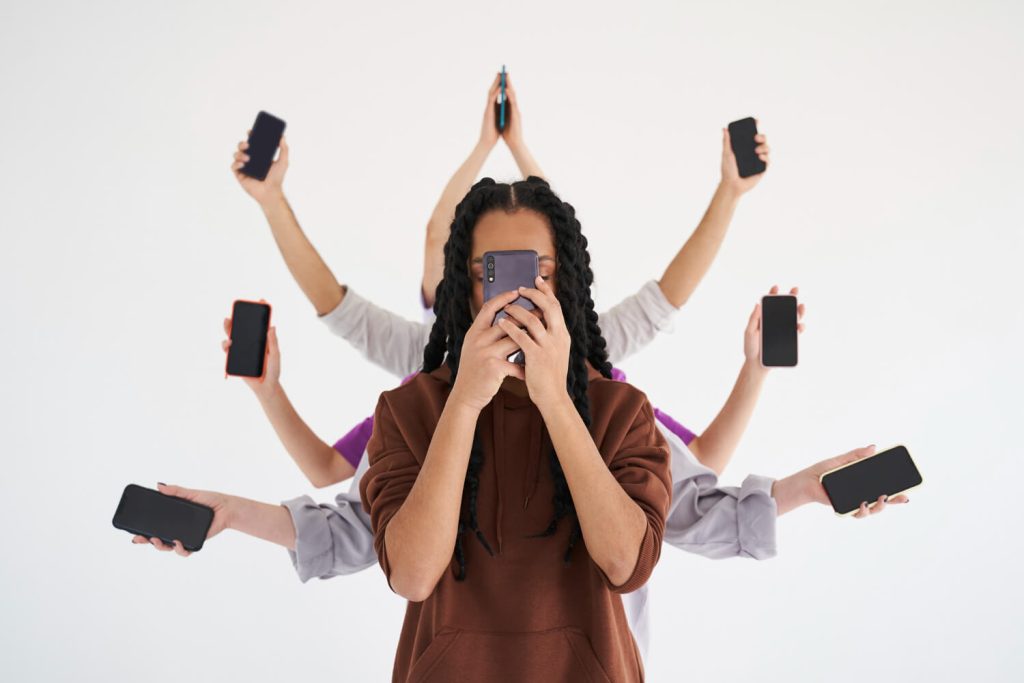
Academic research consistently shows that nomophobia stems from deeply ingrained psychological and social expectations that place mobile phones at the centre of our sense of security, identity, and connection. When children are separated from their phones, this can trigger a heightened sense of uncertainty and threat.
This fear of being without a mobile phone is further intensified by the social pressure of being unreachable or excluded from digital interactions.
Children may develop patterns sometimes called overconnection syndrome, where constant checking of their phones and messages reinforces anxiety about being disconnected.
Personality traits and cognitive patterns also contribute. For example, research shows people who are more outgoing or have obsessive thought patterns are at greater risk of nomophobia.
Nomophobia also appears as part of a broader pattern of psychological distress and anxiety disorders associated with problematic mobile phone usage. Research links it with heightened anxiety, suggesting that phones serve as coping mechanisms for underlying emotional needs; their absence exposes vulnerabilities in emotional regulation and reassurance‑seeking.
Who Is Most at Risk?
Studies consistently find the highest levels of nomophobia symptoms among young adults and college students, particularly emerging adults aged 18–25. College students often rely heavily on their mobile phone contacts to stay connected with family and friends, as well as managing schedules, and maintaining social virtual and digital communications.
Research on digital and domestic labour highlights that women are more likely to suffer from nomophobia. Women in the home are disproportionately expected to coordinate family logistics and social networks. This includes arranging childcare, organising social events, remembering important dates, grocery shopping, and much more, all of which require reliance on digital devices.
Some studies have found that children and adolescents of permissive or authoritarian parents tend to report higher levels of nomophobia compared with those raised in a more authoritative household. This suggests that both too little guidance and too much control may contribute to greater mobile phone dependency among kids.
Permissive parents may give children broad freedom with tech without limits, which can increase their reliance and anxiety about being without their devices.
authoritarian parents may inadvertently increase anxiety by emphasising control and conformity but not teaching healthy self‑regulation, making children more prone to mobile phone dependency as a coping tool.
There’s also research evidence of a correlation between nomophobia in children and their parents’ phone use. One study found that adolescents were more likely to have higher nomophobia levels when their mothers also had high nomophobia.
Why Kids and Teens Are Especially Vulnerable
Children and teen mobile phone users regularly engaged in virtual environments are especially vulnerable. Their brains are still developing; they rely heavily on peers for identity and social connection; they are still learning emotional regulation; and they depend on parents to model healthy behaviours.
- Brain Development. The prefrontal cortex, responsible for impulse control, is still developing in adolescence. This means teens are less able to regulate their behaviour around instant rewards like notifications, social media likes, or messages.
- Peer Pressure. adolescents rely heavily on peer approval and social connection as part of identity formation. Without a phone, they become unreachable, which can trigger fear of missing out. Social media and messaging apps amplify this pressure, making phones central to teens’ social lives.
- Emotional Regulation. Children and teens are still learning healthy ways to manage stress, boredom, or loneliness. Smartphone use provides easy distraction, reassurance, and help to avoid social anxiety tendencies. Without it, they are more likely to suffer from anxiety disorders.
- Environmental Factors. In modern life, teens are more exposed to devices at a younger age, with research reporting that kids receive their first mobile phone around the age of eleven. Parenting styles and family digital habits also strongly influence vulnerability, with a lack of boundaries or modelling of compulsive phone use shown to increase reliance and anxiety when devices are unavailable.
Real-Life Consequences of Nomophobia

dragonimages / Freepik.com
Left unaddressed in childhood, nomophobia can impact:
- Mental disorders
- Low self-esteem
- Academic performance
- Sleep quality
- Relationships
- Face-to-face interactions
A recent study found that when separated from their phones, children as young as nine experienced significant spikes in stress levels.
Research into smartphone addiction found that when their phones were taken away, elementary-aged children struggled to manage emotions or cope with boredom, demonstrating the reliance on cell phone use for self-regulation at surprisingly young ages.
a broader meta-analysis found that children under twelve with high mobile phone use are more likely to experience anxiety, mood swings, and difficulties with daily activities, impacting their well-being, face-to-face interactions, and resulting in low self-esteem.
Nomophobia can exacerbate problematic internet use, leading to poor sleep, reduced academic focus, and social difficulties. In addition, an original research article published in BMC Pediatrics found that children looking at their phone screens frequently are more likely to develop nearsightedness.
In severe cases, nomophobia can progress to smartphone addiction disorder: a pattern of compulsive phone usage with significantly more emotional symptoms that interfere with daily life, affecting attention, academic performance, and emotional well-being.
Mobile phones have become more than entertainment tools for kids—they’re now coping tools, and when access is restricted, the emotional repercussions can be significant. Parents and caregivers who understand this can help children develop healthier tech habits, offering guidance and support rather than just limiting access.
How Parents Can Help Overcome Nomophobia
Developing healthy practices early on in a child’s smartphone use is ideal; however, when symptoms of nomophobia present themselves, it’s not too late to implement strategies to overcome them.
In clinical practice, family medicine and primary care providers, including family doctors or paediatricians, can help identify early signs of nomophobia and guide families toward strategies or specialist support.
Stepwise strategies, such as gradual separation from the phone, follow principles similar to those used in exposure therapy and cognitive behavioural therapy (CBT), helping children learn to tolerate short periods without their device while building confidence and coping skills.
Gradual separation techniques have been shown to reduce anxiety in children with nomophobia in research trials, often compared against a control group that maintained regular phone use.
→→→
| What | How | Why | Result |
| Validate feelings | Acknowledge that feeling anxious without a phone is real and common. | Validates your child’s experience, reduces shame, and encourages cooperation. | Child feels understood, less embarrassed, and more open to practicing healthy phone habits. |
| Set boundaries | Establish clear, consistent rules around phone use, e.g., no phones during homework, meals, or bedtime. | Predictability reduces anxiety because children know what to expect. | Child adapts to rules more easily, reducing conflict and worry about phone limits. |
| Gradual separation | Start with short, planned phone-free periods and gradually increase the time. | Builds tolerance for phone separation and strengthens self-regulation. | Child learns to manage brief periods without the phone without distress. |
| Lead by example | Demonstrate balanced phone habits yourself—put devices away during meals, conversations, or focused tasks. | Children are more likely to copy behaviour than follow rules alone. | Child mirrors healthy habits, making phone use less of an emotional crutch. |
| Build coping skills | Teach alternative strategies for managing stress or boredom without a phone, such as deep breathing, journaling, reading, or hobbies. | Gives children practical tools to self-soothe instead of relying on a device. | Encourage your child to express feelings, worries, or frustrations instead of only limiting phone access. |
| Discuss emotions | Encourage your child to express feelings, worries, or frustrations instead of only limiting phone access. | Builds emotional awareness, strengthens trust, and addresses underlying anxiety rather than just the device. | Child feels heard, learns to manage emotions, and reacts less negatively to phone boundaries. |
| Celebrate small wins | Recognise progress when your child successfully manages phone-free time or follows rules. | Positive reinforcement strengthens confidence and encourages continued healthy habits. | Child feels proud, motivated, and more capable of independent self-regulation. |
Using Apps to Support Digital Wellbeing

Findmykids app
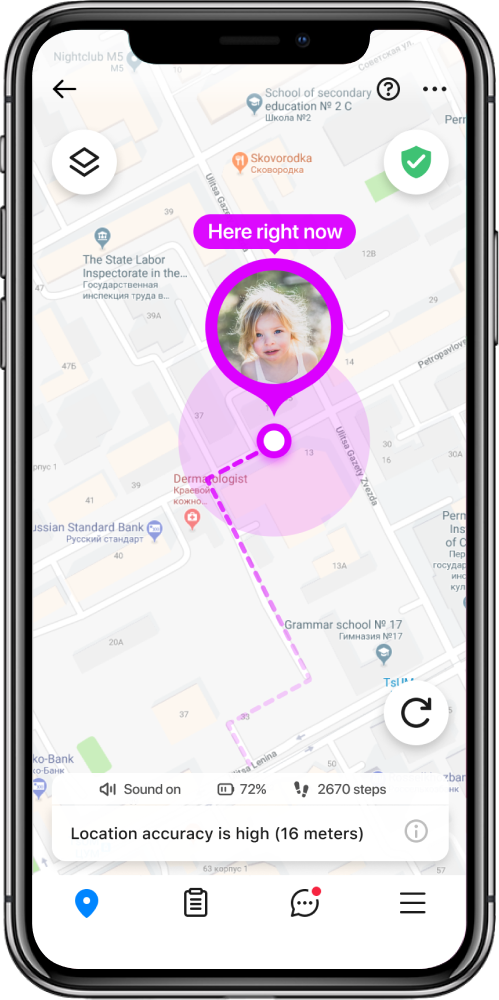
Parents can combine app-based monitoring with behavioural techniques like exposure therapy and cognitive behavioural therapy, using tools to gradually increase phone-free time while providing reassurance. Findmykids helps parents monitor and support their child’s mobile phone use as well as their location.
Alongside GPS tracking and geofencing, Findmykids can be used for:
- Creating predictable phone routines. By monitoring app usage and setting screen time limits, parents can help children develop healthier, predictable routines with their phones. This helps avoid compulsive checking and reduces anxiety over constant connectivity.
- Building emotional security & confidence. Notifications about low battery or safe zone entries/exits provide reassurance to both parents and children. Instead of children panicking about being unreachable, peers and caregivers know there’s a system in place for communication and safety.
- Encouraging mindful phone habits. Rather than the child repeatedly checking the phone for updates or messages, parents can use location alerts and family chat to stay connected, reducing the child’s urge to constantly monitor their device.
- Offering support during stressful moments. Features like SOS alerts help children reach out quickly without feeling they need to “stay online” all the time for safety—especially useful if they feel stressed about being without mobile phone connectivity.
Importantly, Findmykids is designed to support healthy family relationships, not surveillance. The app cannot be installed without the child’s knowledge and participation, encouraging transparency and trust. The Findmykids team also provides age-appropriate recommendations to help parents talk openly with children and teens about safety, boundaries, and shared responsibility.
Used thoughtfully, apps like Findmykids can complement parenting strategies aimed at building self-regulation, confidence, and a healthier relationship with technology—rather than reinforcing fear of disconnection.
Try Findmykids to support your child’s digital wellbeing while keeping safety, trust, and communication at the centre.
How to Tell If Your Child’s Phone Use Is Becoming a Problem
The Nomophobia Questionnaire (NMP-Q), developed by psychologist Dr. Çağlar Yildirim, is the most widely used research tool in the diagnosis of nomophobia.
It was designed for adults to rate their feelings about being without their phones. Respondents rate statements like: “I would feel anxious if I could not instantly communicate with my family or friends” on a Likert scale.
Using a similar framework to the nomophobia questionnaire, parents could consider how they predict their children would respond to a series of questions about their feelings and behaviour associated with cell phone use.
Mobile Phone Involvement Questionnaire
Rate the following on a scale of 1–7, where:
- 1=Strongly disagree
- 2=Disagree
- 3=Somewhat disagree
- 4=Neither agree nor disagree
- 5=Somewhat agree
- 6=Agree
- 7=Strongly agree
Communication Dependence
- Does your child become upset if they can’t message or call friends immediately?
Do they check their phone repeatedly for messages, even during other activities?
Connectedness Anxiety
- Does your child worry about missing posts, updates, or online group chat activity?
Do they express fear about being offline or not seeing social media?
Information Access Reliance
- Does lack of access to information (news, games, videos) make them feel anxious or bored?
- Do they seem unsettled when they can’t look things up instantly?
Convenience & Comfort Loss
- Do they say they need the phone for everyday tasks (alarm, reminders, entertainment)?
- Do they get noticeably irritated if the battery dies or they can’t use it?
→→→
| How to Interpret Your Scores | ||
| Total Score | Nomophobia Level | What it Means |
| 8–20 | Low | Minimal phone dependence; rarely anxious when offline. |
| 21–36 | Moderate | Some dependence, occasional anxiety, or discomfort without the phone. |
| 37–56 | High | Strong dependence; frequent anxiety, irritability, or distress when offline. |
Recommended Actions by Score
Low Nomophobia (Total score 8–20)
- Maintain healthy habits: Encourage continued balance between online and offline activities.
- Monitor occasionally: Check in from time to time to ensure phone use stays balanced.
- Positive reinforcement: Praise self-regulation and responsible use.
Moderate Nomophobia (Total score 21–36)
- Set clear limits: Establish rules for phone-free times (meals, homework, bedtime).
- Encourage alternative activities: Sports, reading, hobbies, or in-person socialising.
- Model healthy phone use: Parents should also show balanced behaviour.
- Open conversations: Talk about feelings when offline and validate them.
- Monitor trends: If the score increases over time, consider extra support.
High Nomophobia (Total score 37–56)
- Structured intervention: Gradually reduce phone reliance; avoid sudden bans that increase anxiety.
- Set strict boundaries: Scheduled phone use, tech-free zones, or limited screen time.
- Promote offline coping strategies: Teach relaxation, mindfulness, and social interaction skills.
- Monitor mental health: High scores can be associated with anxiety or stress. Consider consulting a paediatrician, child psychologist, or counsellor if distress is significant.
- Family involvement: Parents, siblings, or caregivers should participate in consistent routines.
While many children experience mild or moderate dependence on their phones, professional support is recommended if:
- High nomophobia scores (37–56) are observed.
- Your child shows frequent distress, irritability, or anxiety when unable to access their phone.
- Phone dependence interferes with daily life, such as school performance, sleep, social interactions, or family relationships.
- Efforts to reduce phone use cause significantly more emotional symptoms.
Mental health professionals can distinguish between normal mobile device usage and problematic dependence. A child psychologist or counsellor may recommend therapies such as cognitive behavioural therapy (CBT) to help develop coping strategies to support their mental health and build healthier relationships with their mobile devices.
In severe cases of nomophobia, especially when children experience intense anxiety or symptoms resembling panic disorders, mental health professionals may consider anti-anxiety medications as part of a treatment plan.
Professional guidance ensures interventions are age-appropriate, supportive, and gradual, avoiding conflict or heightened anxiety and mitigating the risks of smartphone addiction disorder.
Early support may prevent escalation into chronic anxiety, social phobia, or other behavioural issues. Seeking help from a mental health professional is not a sign of failure, but a proactive step to support your child’s emotional well-being and mental health by promoting balanced, healthy technology use.
Guiding Children Toward Healthy Digital Habits
freepik / Freepik.com
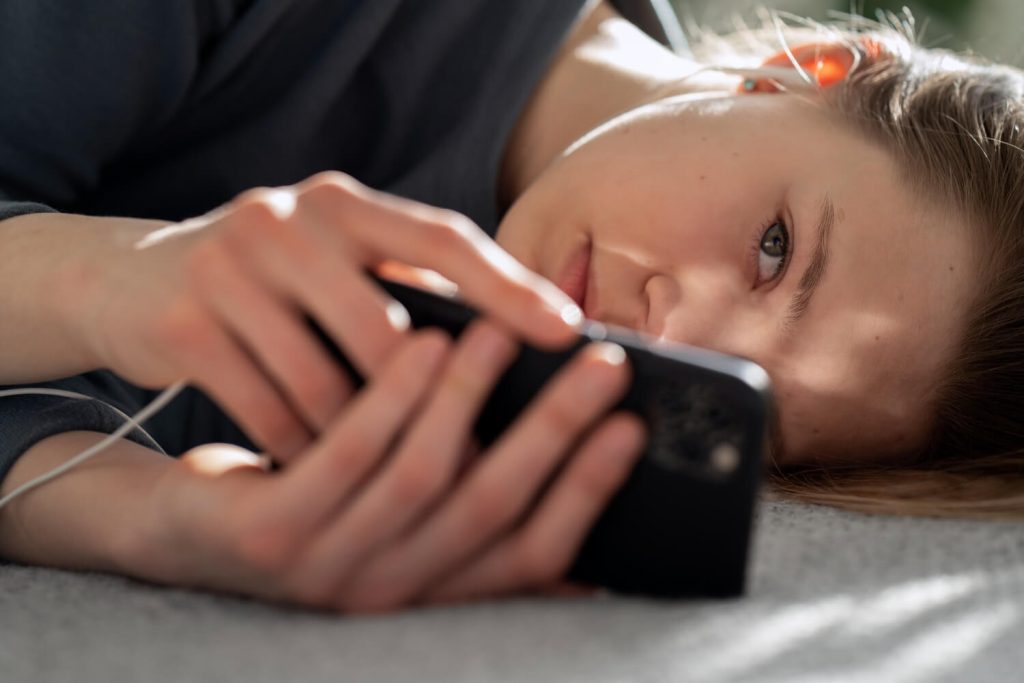
Nomophobia is more than a fleeting attachment to a mobile phone; it is a real psychological challenge that can affect children’s emotional regulation, social skills, and overall well-being, potentially leading to more extreme mobile phone-related disorders.
Factors ranging from personality traits and social pressures to parenting style and family habits surrounding digital devices all shape a child’s vulnerability to phone-related anxiety. Left unaddressed, excessive mobile phone use can escalate into stress, disrupted routines, and mental health issues.
The good news is that nomophobia is preventable and manageable. With young people’s involvement, parents play a critical role in guiding children toward balanced phone use.
Validating feelings, setting clear and consistent boundaries, gradually encouraging phone-free periods, modelling healthy behaviour, and fostering alternative coping strategies are all practical, evidence-based approaches that nurture emotional resilience while reducing reliance on screens.
Tools such as digital wellbeing apps, like Findmykids, can complement these efforts, providing reassurance, structure, and mindful monitoring without fuelling anxiety.
Equally important is recognising when professional support may be needed. High levels of distress, persistent anxiety, or interference with daily functioning are signals that consultation with a child psychologist or counsellor can provide tailored guidance and ensure interventions are age-appropriate, supportive, and sustainable.
Awareness, early intervention, and consistent support can help children build a healthy relationship with technology, where phones serve as tools, not crutches, allowing them to thrive emotionally, socially, and academically in a digitally connected world.
FAQs
Is nomophobia a real disorder?
Nomophobia is not classified as a clinical disorder in the Diagnostic and Statistical Manual (DSM-5), which is the main diagnostic and statistical manual used by mental health professionals. However, it is recognized as a significant behavioral addiction or situational phobia of the 21st century. While not officially listed in the DSM-5 or ICD-11, many experts consider nomophobia a behavioral issue or anxiety symptom related to excessive mobile phone use.
How do I know if I have it?
If you experience intense anxiety or distress when you are unable to use your mobile phone, or if you go to great lengths to avoid being without your phone, you may be experiencing symptoms of nomophobia. Common signs include checking your phone constantly, feeling panicked when your battery is low, or avoiding situations where phone use is restricted.
What’s the best nomophobia questionnaire?
The Nomophobia Questionnaire (NMP-Q) is widely used by researchers and clinicians to assess the severity of nomophobia symptoms. It includes questions about your emotional responses and behaviors related to mobile phone use.
Can it cause panic attacks?
Yes, in some cases, people with severe nomophobia may experience panic attacks when separated from their phones or unable to use them. Symptoms can include rapid heartbeat, sweating, and feelings of intense fear.
How long does it take to improve?
Improvement depends on the severity of symptoms and the strategies used. With self-help techniques or professional support, many people notice a reduction in symptoms within a few weeks to months.
How to help a teen?
Encourage open conversations about healthy phone use, set boundaries together, and model balanced digital habits. If your teen’s anxiety seems severe, consider seeking help from a mental health professional.
References
- Adaptation and Validation of the Polish Version of the 10-Item Mobile Phone Problematic Use Scale, Anna Mach, Marta Demkow-Jania, Anna Klimkiewicz, Andrzej Jakubczyk, Małgorzata Abramowska, Anna Kuciak, Piotr Serafin, Jan Szczypiński, and Marcin Wojnar. Frontiers in Psychiatry, 2020
- Problematic Use of the Mobile Phone: A Literature Review and a Pathways Model, Joel Billieux. Current Psychiatry Reviews, 2012
- Online Social Networking and Addiction—A Review of the Psychological Literature, Daria J. Kuss and Mark D. Griffiths. International Journal of Environmental Research and Public Health, 2011
- Exploring the dimensions of nomophobia: Development and validation of a self-reported questionnaire, Caglar Yildirim and Ana-Paula Correia. Computers in Human Behaviour, 2015
- Does interpersonal sensitivity and paranoid ideation predict nomophobia: an analysis with a young adult sample, Tuğba Yılmaz & Ece Bekaroğlu. Current Psychology, 2021
- The Prevalence of Mild, Moderate, and Severe Nomophobia Symptoms: A Systematic Review, Meta-Analysis, and Meta-Regression, Haitham Jahrami, Khaled Trabelsi, Omar Boukhris, Jumana Hasan Hussain, Ahmad F. Alenezi, Ali Humood, Zahra Saif, Seithikurippu R. Pandi-Perumal, and Mary V. Seeman. Behavioural Sciences, 2023
- Nomophobia: Is the Fear of Being without a Smartphone Associated with Problematic Use?, Fareed Kaviani, Brady Robards, Kristie L. Young, and Sjaan Koppel. International Journal of Environmental Research and Public Health, 2020
- Personality and Nomophobia: The Role of Dysfunctional Obsessive Beliefs, Victoria García-Masip, Beatriz Sora, Maria José Serrano-Fernandez, Joan Boada-Grau, andBettina Lampert. International Journal of Environmental Research and Public Health, 2022
- Nomophobia as an Emerging Psychopathology: Psychophysiological Mechanisms and Clinical Implications, Saumya Srivastava, Nidhi Verma, Deepak Kumar, Nrashant Singh, and Krishan Kumar. Annals of Neurosciences, 2025
- The prevalence of nomophobia: A systematic review and meta-analysis, Firoj Al-Mamun, Mohammed A. Mamun, Mark Mohan Kaggwa, Mahfuza Mubarak, Md Shakhaoat Hossain, Moneerah Mohammad ALmerab, Mohammad Muhit, David Gozal, Mark D. Griffiths, Md Tajuddin Sikder. Psychiatry Research, 2025
- Gendering digital labor: work and family digital communication across 29 countries,
- A study on nomophobia, perceived parenting style, and psychological distress among university students, Kuchibhotla, Ravikanth; Mohan, Deepa; Singisetti, Srinivas; Khatoon, Murshida; Nukala, Srikrishna. Telangana Journal of Psychiatry, 2023
- Worry and Permissive Parenting in Association with the Development of Internet Addiction in Children, Barbara Chuen Yee Lo, Romance Nok Man Lai, Ting Kin Ng, and Haobi Wang
- The Impact of Modifiable Parenting Factors on the Screen Use of Children Five Years or Younger: A Systematic Review, Blake Pyne, Olifa Asmara, Alina Morawska. Clinical Child and Family Psychology Review, 2025
- Investigation of adolescents and their mothers in terms of nomophobia, Yusuf Selman Çelik and Burcu Ersöz Alan. The Turkish Journal of Pediatrics, 2023
- Adolescent Neurocognitive Development, Self-Regulation, and School-Based Drug Use Prevention, Pallav Pokhrel, Thaddeus A. Herzog, David S. Black, Adnin Zaman, Nathaniel R. Riggs & Steve Sussman. Prevention Science, 2023
- Nomophobia (No Mobile Phone Phobia) and Psychological Health Issues among Young Adult Students, Nasrin Abdoli, Dena Sadeghi-Bahmani, Nader Salari, Mehdi Khodamoradi, Vahid Farnia, Somayeh Jahangiri, Annette Beatrix Brühl, Kenneth M. Dürsteler, Zeno Stanga, and Serge Brand. International Journal of Environmental Research and Public Health, 2023
- Mapping Severe Child Nomophobia with Hierarchical Clustering and ROC, Victor Jiménez-Jiménez, Carmen Chivite-Cebolla, Rosalía Jódar, Eva Pilar López, María-Nélida Conejo-Pérez, Mercedes Sánchez-Martínez. Dove Press, 2025
- The impact of smartphone addiction and negative emotions on parent–child relationships among elementary school students, Ze Geng and Ran Liu. Frontiers in Psychiatry, 2025
- Use of mobile devices and psychosocial difficulties in children under 12 years of age: A systematic review and meta-analysis, Leticia Morata Sampaio, Miriam Lourdes Morales Santana & María del Pilar Etopa Bitata. Current Psychology, 2025
- The association between smartphone use and myopia progression in children: a prospective cohort study, BMC Pediatrics. Jing Li, 2025
- Are mobile phone ownership and age of acquisition associated with child adjustment? A 5-year prospective study among low-income Latinx children, Xiaoran Sun, K. Farish Haydel, Donna Matheson, Manisha Desai, Thomas N. Robinson. Child Development, 2022
- Nomophobia and Mental Health: Emerging Challenges and Therapeutic Approaches in the Digital Age, Mrs. Vashwati Sarma and Dr. R. D. Padmavathy. International Journal for Multidisciplinary Research, 2025
Cover image: freepik / Freepik.com
Проверьте электронный ящик