











In recent years, parents have found themselves caught between two extremes: controlling every step their child takes or stepping back so far that children are left to navigate the world alone. Neither approach truly answers the modern parent’s question: How do I keep my child safe without standing in their way?
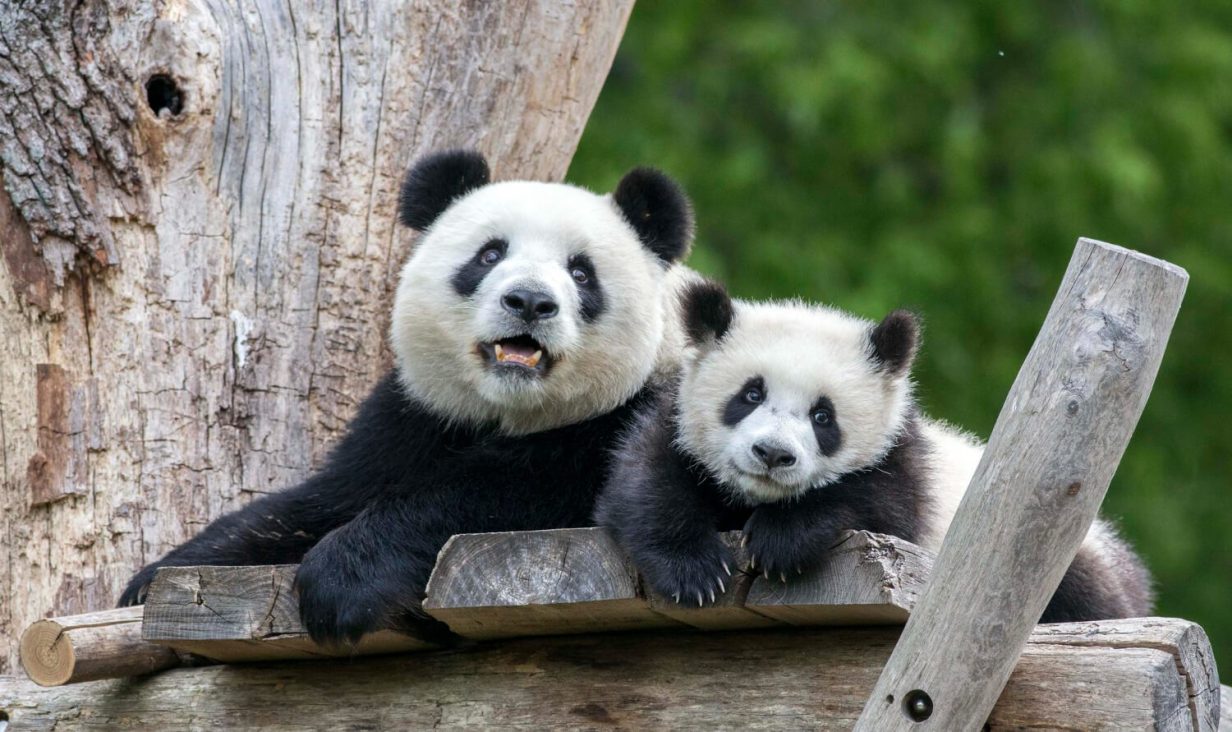
This tension has given rise to a new, gentler philosophy known as panda parenting—a style that favours warmth over pressure, guidance over control, and trust over fear. Like a panda itself, this approach is calm, protective, and quietly strong, offering children both safety and space to grow.
So what exactly is panda parenting—and how does it compare to other well-known parenting styles? Let’s take a closer look.
Contents:
- What Is Panda Parenting?
- Panda Parenting vs Other Parenting Styles
- Benefits of Panda Parenting
- Challenges Panda Parents Face — and How to Manage Them
- Top 5 Panda Parenting Tips for Raising Independent Kids
- FAQs
What Is Panda Parenting?
Panda parenting is a balance of strict, high-control parenting and overly permissive parenting styles. It emphasises emotional support, reasonable expectations, and encouraging kids to learn at their own pace while feeling supported, safe and loved.
Core Principles of Panda Parenting
Panda parenting emphasises trust, respect, independence, and collaboration. By treating children as capable individuals rather than problems to manage, parents afford them the trust to handle age-appropriate responsibilities.
This approach creates space for decision-making and mistakes, while encouraging parents to collaborate with their children, responding calmly and empathetically rather than imposing control.
The fundamental characteristics of panda parenting:
→→→
| Characteristic | Impact |
| Warmth and emotional safety | Children feel supported, heard, and valued. |
| Balanced boundaries | Clear rules exist, but they are flexible and age-appropriate. |
| Encouraged autonomy | Kids are allowed to make choices and learn from mistakes. |
| Low pressure, high trust | Success is encouraged without constant comparison or fear of failure. |
| Protective, not controlling | Parents step in when safety is at risk, not to micromanage. |
Panda Parenting vs Other Parenting Styles
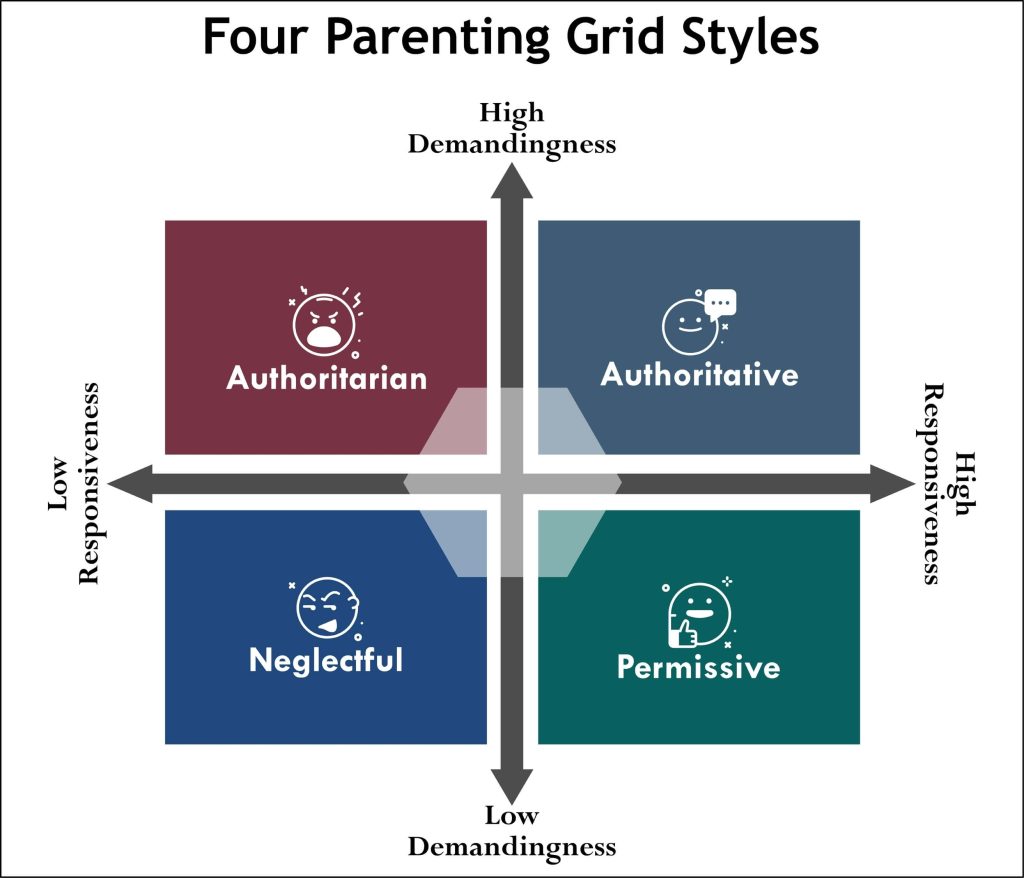
Skyline Graphics / Shutterstock.com
Parenting styles differ in the ways parents guide behaviour, set limits, and support emotional development. Research shows these differences are linked to children’s autonomy, social skills, and emotional well-being.
Key Features of Common Parenting Styles
Research by parenting experts Baumrind, Maccoby & Martin, and Darling & Steinberg distinguishes the differences in parenting styles by levels of “parental demandingness (behavioural control)… and parental responsiveness (warmth or supportiveness)”, (Darling, 1999) and how these underlying dimensions shape distinct styles such as authoritative, authoritarian, permissive, and uninvolved parenting.
→→→
| Parenting Style | Control | Warmth | Rules | Independence | Focus |
| Authoritarian | Very high | Low/moderate | Strict and non-negotiable | Low | Obedience and discipline |
| Authoritative Parenting | Moderate | High | Clear and consistent | High | Balanced development |
| Permissive Parenting | Low | Very high | Few and inconsistent | Very high | Child happiness and freedom |
| Uninvolved/Neglectful | Low | Low | Minimal | Low | Basic survival |
| Panda Parenting | Moderate | High | Flexible and age-appropriate | High | Emotional well-being and confidence |
Key Differences Between Panda Parenting and Other Parenting Styles
Many of these parenting styles do not strongly emphasise open, two-way communication, especially when compared with authoritative approaches. Poor communication shuts down a child’s curiosity and confidence to ask questions, negatively impacting their psychological safety.
Panda parents allow children to make mistakes and learn from them. While taking a more background role in decision-making, their communication remains high, ensuring children feel safe and supported, enabling them to develop deep emotional trust.
→→→
| Parenting Style | ⠀ | Comparison to Panda Parenting |
| Authoritarian | Vs | Much stricter than panda parenting, prioritising obedience and control over emotional support or encouraging independence, contrasting sharply with panda parenting’s calm and flexible approach. |
| Authoritative Parenting | Vs | Both teach children scaffolding to let their emotional well-being develop, but panda parenting focuses on calmness and reduced performance pressure. |
| Permissive Parenting | Vs | Panda parents also set limits and expectations through gentle guidance, but do not expect the child to entirely self-regulate unsupported. |
| Free-Range Parenting | Vs | Shares an emphasis on raising independent kids, but places greater weight on freedom and risk-taking, while panda parenting remains more emotionally attuned and gently supportive. |
| Uninvolved/Neglectful | Vs | Opposite of panda parenting; lacks emotional support, guidance, and involvement, whereas panda parenting is highly engaged and protective while still allowing autonomy. |
| Tiger Parenting | Vs | Panda parenting avoids extreme pressure and rigid control, focusing more on well-being than achievement. |
| Helicopter Parenting | Vs | Panda parents take more of a background role, allowing children to solve problems independently. |
| Unconditional Parenting | Vs | Shares emotional warmth and support with panda parenting, but places even less emphasis on rules and boundaries, focusing primarily on acceptance rather than guided independence. |
| Holistic Parenting | Vs | Like panda parenting, it balances guidance and emotional support, but takes a broader approach by integrating personal values, life philosophy, and overall well-being into child development. |
| Nurturant/Slow Parenting | Vs | Emphasises connection and growth more than panda parenting, focusing on deep bonding and experiential learning rather than structured independence. |
⠀
Many of the strengths associated with panda parenting align closely with Esther Wojcicki’s TRICK framework, particularly its emphasis on trust, independence, and collaboration. Wojcicki, known as the “Godmother of Silicon Valley”, raised three children who have each achieved remarkable success in their respective fields.
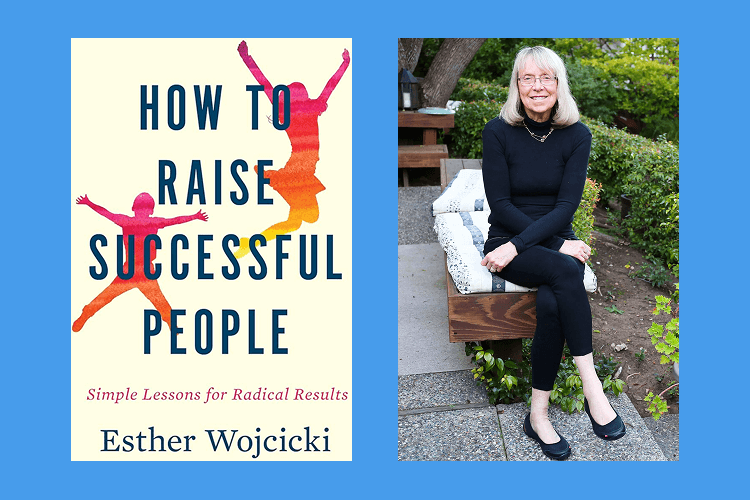
Credits: amazon.com, fortune.com
In her book How to Raise Successful People: Simple Lessons for Radical Results, Wojcicki explains how modern helicopter parenting and rigid control models, such as the “Tiger Mom”, can negatively impact a child’s emotional development and well-being.
Instead, she offers a framework in which to raise successful people rooted in trust and freedom within responsible limits, intended to help parents, caregivers, and educators raise confident, resilient, self‑motivated, and successful children.
Wojcicki pioneered the TRICK method, which stands for Trust, Respect, Independence, Collaboration, and Kindness. Her emphasis is on cultivating a deeply trusting relationship between parent and child.
→→→
| Acronym | Feature | Intention |
| T | Trust | Building a relationship where children feel trusted and learn to trust themselves and others. |
| R | Respect | Treating kids with dignity and valuing their opinions. |
| I | Independence | Allowing children age-appropriate autonomy and responsibility. |
| C | Collaboration | Encouraging shared problem‑solving and involving children in decisions that affect them. |
| K | Kindness | Modelling empathy, compassion, and social awareness. |
⠀
Traditional parenting control tactics associated with more authoritarian approaches can backfire, leading to dependency and low resilience. Wojcicki writes: “Parents need to calm down … We feel like we’re harming them, and that we’re not supporting them in the way they need to be supported.” (Wojcicki, 1999)
Parenting using the TRICK methodology is less about managing behaviour and more about developing capacity. When parents truly trust and collaborate with their children, the result is confidence and leadership.
Benefits of Panda Parenting
Different parenting approaches can shape a child’s life. “Parenting is one of the primary influences on child development, and research consistently shows that parenting style directly affects children’s psychosocial development and outcomes.” (Awiszus et al. 2022)
Unlike more controlling styles, panda parenting encourages children to explore, take healthy risks, and learn from mistakes, which research links to increased self‑confidence, resilience, and critical thinking abilities because children gain experience solving problems with support rather than strict direction.
When communication shuts down, a child’s natural curiosity dims: questions go unanswered, ideas are dismissed, and the spark of exploration is extinguished. Findings from a meta‑analysis report confirmed that parental autonomy support through engaging communication is positively associated with child well‑being, whereas poor communication and psychological control are linked to poorer outcomes. (Vasquez et al. 2024)
a longitudinal study using latent profile analysis demonstrated that a supportive framework, teaching natural consequences through simple lessons, predicts more positive academic and psychological outcomes in adolescents compared to a controlling parenting approach (Teuber et al. 2022).
Panda parenting stands for trust, respect, and support. Supportive and autonomy‑promoting parenting behaviours characteristic of the style contribute to positive socioemotional outcomes, which can reduce anxiety and depressive symptoms in children and adolescents (Frosch et al. 2019).
Amongst other benefits, panda parenting approaches positively impact how a child develops resilience, independence, emotional regulation, self-control, responsibility, commitment, trust and diplomacy.
Resilience
Resilience is a child’s ability to bounce back from setbacks and keep trying, even when things feel difficult. Panda parenting supports this by allowing children to face challenges safely, learn from mistakes, and build gentle confidence in their own problem-solving skills.
- Scenario: Taylor gets a low grade on a test.
- Action: Instead of scolding or immediately hiring a tutor, panda parents sit down together and ask what felt difficult. Through gentle guidance, they help them devise a study plan and remind them that one grade doesn’t define them. The focus is on learning, not punishment or pressure.
- Outcome: Teaches children scaffolding for persistence, independent problem solving, confidence in learning, and a healthy response to setbacks.
Independence
Independence is about children being able to make choices and take action independently. By giving kids room to try tasks themselves, panda parents help them develop the skills and confidence to navigate life without constant supervision.
- Scenario: Morgan is 9 years old. They want to walk to a friend’s house alone.
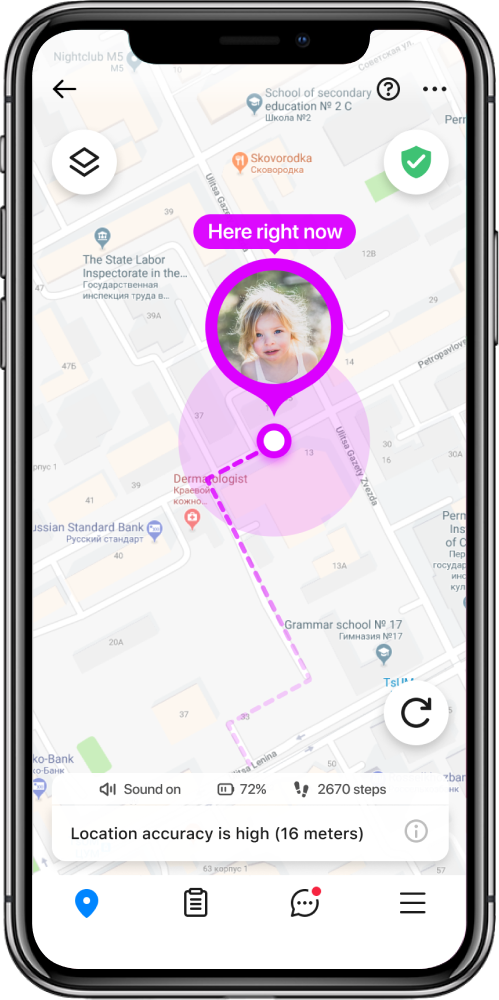
- Action: Panda parents give explicit permission within clear agreements and well-defined safety rules. Parent and child agree on rules like crossing streets carefully, checking in when they arrive, and coming home at an agreed time. Using tools such as Findmykids, parents can confirm their child’s safety, without being invasive, encouraging independence while maintaining peace of mind.
- Outcome: Strengthens decision-making skills, situational awareness, and self-trust.
Regulation
Emotional regulation is a child’s ability to understand and manage their feelings, even in frustrating or stressful situations. Panda parents encourage open communication and guidance, helping children notice their own emotions and respond thoughtfully.
- Scenario: Rav has a meltdown after losing a game.
- Action: Panda parents provide a safe environment to acknowledge and discuss the child’s feelings (“I see you’re really upset”) instead of dismissing them. After they calm down, they would talk about coping strategies and sportsmanship, teaching emotional regulation without shaming.
- Outcome: Helps the child identify emotions and calm themselves, encouraging them to handle challenges independently.
Self-Control
Self-control is the capacity to pause, reflect, and make thoughtful decisions rather than acting on impulse. By setting firm boundaries while allowing children to make their own decisions, panda parenting helps children learn self-discipline.
- Scenario: Casey asks for more screen time on a school night.
- Action: Rather than a strict “no” or unlimited access, panda parents would explain why sleep matters and negotiate a short extension with conditions. The child feels respected, while firm boundaries remain intact.
- Outcome: Encourages impulse management and responsible decision-making skills.
Responsibility
Responsibility involves taking ownership of tasks, actions, and consequences. Through gentle guidance, panda parents encourage children to make their own decisions and support independent problem-solving.
- Scenario: Avery forgets their packed lunch.
- Action: If there is an alternative and the child is safe, panda parents wouldn’t rush to school to deliver their lunch; the child is responsible for making alternative arrangements. Later, the parent and child discuss what happened and how to better prepare in the future. The lesson comes from experience, not lectures.
- Outcome: Children naturally learn decision-making skills, accountability, and planning through real-life experience.
Commitment
Commitment is the willingness to see tasks or goals through to the end, even when they are challenging. Panda parents foster this by encouraging perseverance and celebrating effort rather than just outcomes.
- Scenario: Quinn wants to quit piano after their first lesson.
- Action: Panda parents would talk about commitment and ask them to keep it up for a few weeks before making a final decision. The child is responsible for their own decisions, while the panda parent gently guides them.
- Outcome: Fosters perseverance while supporting self-discovery and motivation.
Trust
Trust is the confidence between child and parent that each will act with care and respect. By giving children autonomy in a safe environment, panda parents build a foundation of reliability and emotional security.
- Scenario: Nat is 13. They want to attend a party.
- Action: Panda parents would discuss expectations, transportation, and safety. Instead of constant texting, they rely on agreed check-ins and tools like Findmykids to check the child’s location, maintaining trust without constant supervision.
- Outcome: Builds honest communication, judgment, and confidence in independent decision-making. As Wojcicki writes, children who are trusted and respected grow into confident, self‑regulated adults.
Diplomacy
Diplomacy is the ability to interact thoughtfully and respectfully with others, balancing one’s own needs with those of others. Panda parenting models negotiation, listening, and problem-solving, helping children develop these social skills early on.
- Scenario: Riley argues with a close friend.
- Action: Rather than intervening immediately, panda parents guide children through possible solutions, helping them build confidence in handling challenges independently.
- Outcome: Enhances communication skills, empathy, and constructive peer relationships.
Panda parenting offers warmth and problem-solving skills, building a supportive framework in which the child encounters natural consequences and becomes a more confident, capable, and thoughtful individual.
Challenges Panda Parents Face — and How to Manage Them

Ina Silence / Shutterstock.com
Challenges like letting go of control, navigating external pressures, and managing safety concerns are common and can sometimes create inconsistencies. How parents respond to these challenges is key to moving from a high-control approach towards a more supportive, autonomy-focused style.
Control
It’s natural to want to protect your child, but fostering independence means allowing them to try things on their own. Start small by giving your child low-risk opportunities to make decisions, whether it’s choosing their outfit or planning a weekend activity.
Scenario: Rowan wants to pack their own school bag for tomorrow morning.
- High control parents: “No way, you’ll forget something, and I’ll end up having to do it myself anyway.”
- Outcome: Rowan feels frustrated and less confident in their ability to handle simple tasks. When the kids’ ideas are dismissed, they learn to be more reliant on their parents and are less willing to try things independently in their own lives.
⠀
- Panda parents: “Ok. Here’s my checklist to make sure you don’t forget anything. I trust you to take care of it yourself.”
- Outcome: Rowan’s self-confidence and sense of autonomy are encouraged and supported. They learn responsibility, negotiation, and problem-solving skills while strengthening trust with their parent.
Pressure
Outside pressure from schools, relatives, or society can make it difficult not to compare your child to others. Instead, focus on your child’s individual progress and growth. Celebrate effort, curiosity, and resilience rather than benchmark achievements.
Scenario: A parent at the school gates asks if Jordan is struggling to keep up with their classmates, since they’ve scored low on a few tests recently.
- High control parents: “They better be keeping up! If they fall behind, I’ll have to push them harder at home.”
- Outcome: Jordan feels pressured and anxious, learning to worry about comparisons rather than enjoying personal progress.
⠀
- Panda parents: “We’re focusing on their progress and what they’re learning at their own pace. They’ve really improved in sticking with tricky tasks lately.”
- Outcome: Jordan feels supported and confident, encouraging exploration while focusing on effort and growth rather than harsh discipline and peer comparison.
Safety
Safety concerns are another common challenge. Parents often default to restrictions out of worry, but autonomy doesn’t have to mean danger. Utilise safety tools, set clear rules, and encourage open communication to help your child navigate risks responsibly.
Scenario: Riley wants to ride their bike to the park by themselves.
- High control parents: “No way! It’s too dangerous, you can’t go alone.”
- Outcome: The child feels restricted, anxious about taking risks, and may become overly dependent on the parent for even small decisions.
⠀
- Panda parents: “Yes. Let’s agree on the route, wear your helmet, and I’ll check in with you through the Findmykids app so I can see you’re safe.”
- Outcome: The child feels trusted and empowered, learning to take safe risks and make responsible decisions, while the panda parent has peace of mind knowing they can monitor location and safety in real time.
Inconsistency
Inconsistency can undermine your efforts. Children thrive when expectations are clear and consistent. Revisit rules and routines together regularly, making sure they understand boundaries while still feeling supported to explore and make decisions.
Scenario: Alex wants to watch a programme on their tablet before they do their homework.
- High control parents: “Absolutely not! Homework first, or there’ll be no screen time at all today.”
- Outcome: The child feels frustrated and powerless, and may struggle to internalise routines or develop self-discipline.
⠀
- Panda parents: “Ok, let’s check the routine chart we made together. We could swap it around and do homework after 20 minutes of screen time. Just this once.”
- Outcome: The child learns negotiation, autonomy and responsibility, and feels included in setting consistent expectations.
By giving children opportunities to make choices, setting clear boundaries, and communicating openly, panda parenting creates a space where kids feel both secure and empowered.
Small steps, like letting a child pack their own bag, check in via a safety app, or revisit household rules together, build confidence, responsibility, and trust over time.
When parents are mindful of these challenges, they can support their child’s growth without feeling the need to control every detail, managing the trust, respect, independence, collaboration, and kindness required to raise successful people.
Top 5 Panda Parenting Tips for Raising Independent Kids

Krakenimages.com / Shutterstock.com
1. Listen More Than You Lecture
Panda mums and dads listen and negotiate to build trust and demonstrate that the child’s thoughts and feelings matter. Instead of immediately giving advice or instructions, they ask questions, reflect on the response, and validate the child’s emotions.
Outcome: This supportive framework encourages open communication and strengthens the relationship, allowing kids to feel confident in expressing themselves.
2. Praise Effort and Growth, Not Just Results
Focusing on effort rather than only outcomes helps kids develop a growth mindset. Celebrating persistence, problem-solving, and trying new strategies are key techniques employed by panda mums and dads.
Outcome: This approach teaches that challenges are opportunities to learn, reduces fear of failure, and motivates children to keep improving, rather than relying solely on innate talent or winning.
3. Model Calm Behaviour During Conflict
Children learn how to manage emotions by watching adults. Panda parents react calmly during disagreements, demonstrating healthy communication and emotional regulation. Instead of reacting impulsively, they pause, listen, and respond thoughtfully.
Outcome: Parents play a pivotal role in modelling behaviour, which helps children handle their own conflicts with patience and empathy in everyday life.
4. Allow Natural Consequences When Safe
By stepping into a background role, panda parents build gentle resilience, supporting children as they learn to navigate challenges independently. If a decision doesn’t cause serious harm, panda parents let them face the natural consequences, for example, forgetting a homework assignment results in a detention.
Outcome: Allowing kids to learn from mistakes, build resilience, and understand the link between actions and natural consequences, with gentle guidance.
5. Stay Involved Without Hovering
Being present and engaged doesn’t mean controlling every move. Panda parents offer more support, check in regularly, and provide guidance when needed, while allowing children space to make decisions and solve problems.
Outcome: This balance fosters independence, builds trust, and helps kids develop confidence in managing responsibilities and challenges.
Raising Confident, Capable Kids: The Power of Panda Parenting
Research consistently shows that children thrive when guided with trust, encouragement, and gentle yet consistent boundaries. Panda parenting—rooted in patience, empathy, and autonomy—cultivates emotional security, resilience, and independence from childhood through adolescence and into adulthood, ultimately forging successful people.
By listening attentively, praising effort over outcome, modelling diplomacy, allowing safe risks, and staying present without hovering, parents create an environment where children can flourish.
FAQs
What does Panda Mom mean?
A Panda Mom is a parent who combines emotional warmth with a focus on independence—offering love, trust, and gentle guidance while allowing children space to explore, make mistakes, and build responsibility. Coined by Esther Wojcicki, this style contrasts with high-pressure or overprotective parenting by fostering self-motivation through support, not control. The approach blends “cuddliness and claw”: affection paired with age-appropriate expectations.
What is the difference between Panda Dad and Tiger Mom?
A Tiger Mom emphasizes discipline, high expectations, and achievement—especially in academics or music—often using strict rules and intense pressure to drive success. In contrast, a Panda Dad takes a more relaxed, emotionally supportive role, focusing on the child’s well-being, autonomy, and joy. While Tiger Moms demand perfection and control outcomes, Panda Dads encourage exploration, tolerate mistakes, and promote learning through experience.
What is the dolphin parenting style?
Dolphin parenting is a balanced, collaborative approach that combines clear boundaries with emotional support and flexibility. Coined by Dr. Shimi Kang, it encourages independence, creativity, and well-being by blending structure (like rules and routines) with freedom (play, rest, and self-expression). Unlike authoritarian or overly permissive styles, dolphin parents guide rather than control, focusing on connection, problem-solving, and holistic development to raise resilient, self-motivated children.
Resources
- Parenting Styles and Their Effect on Child Development and Outcome, Awiszus, A., Koenig, M. and Vaisarova, J. Journal of Student Research, 2022
- Parenting Style and Its Correlates, Nancy Darling. ERIC Digest, 1999
- Free-Range Parenting: Balancing Protection with the Dignity of Risk, Anna Stewart. Empowering Parents.com
- How to Raise Successful People: Simple Lessons for Radical Results, Esther Wojcicki, 2019
- Parent Autonomy Support, Academic Achievement, and Psychosocial Functioning: a Meta-analysis of Research, Ariana C. Vasquez, Erika A. Patall, Carlton J. Fong, Andrew S. Corrigan & Lisa Pine. Educational Psychology Review, 2015
- Autonomy-related Parenting Profiles and their Effects on Adolescents’ Academic and Psychological Development: A Longitudinal Person-oriented Analysis, Ziwen Teuber, Xin Tang, Lena Sielemann, Nantje Otterpohl & Elke Wild. Journal of Youth and Adolescence, 2021
- Parenting and Child Development: A Relational Health Perspective, Cynthia A. Frosch, Sarah J. Schoppe-Sullivan, and D. David O’Banion. American Journal of Lifestyle Medicine, 2019
Over image: EyeEm / Freepik.com
Проверьте электронный ящик